Earth’s Ancient Magnetic Field Left a Hidden Fingerprint on the Moon, New Study Finds
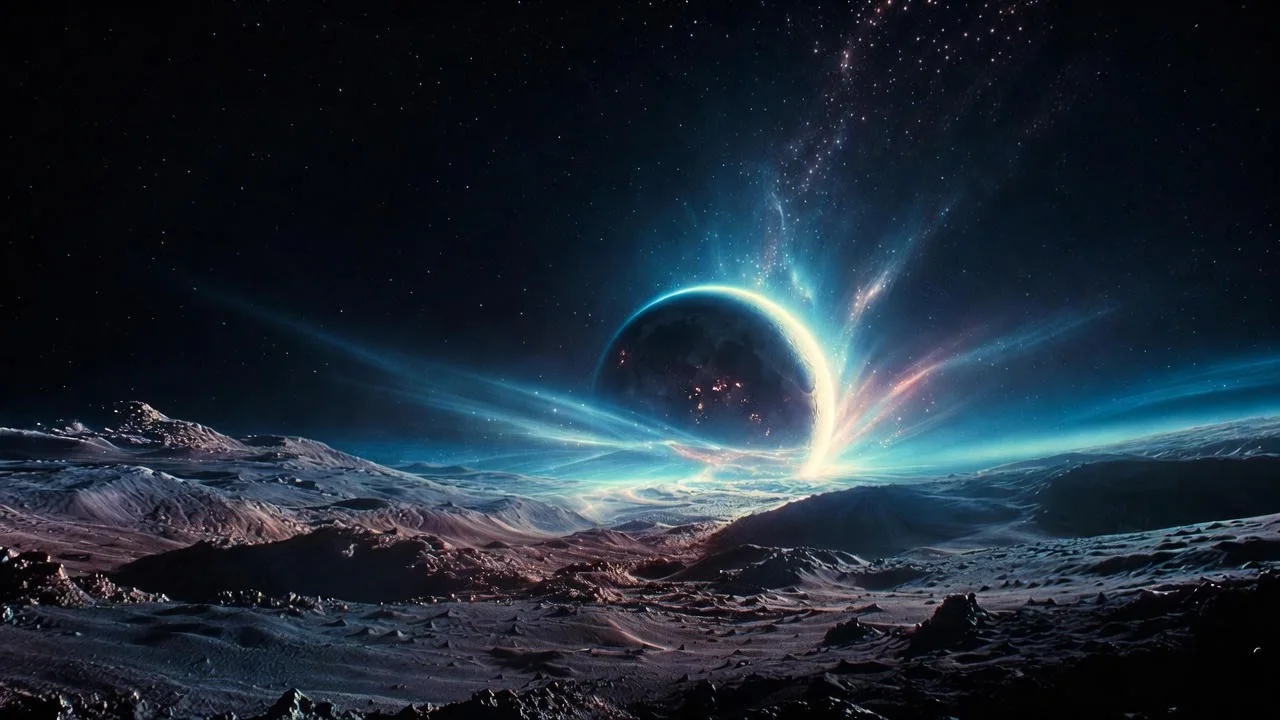
Earth’s ancient magnetic field shaped the Moon’s surface in a surprising way, researchers report.

Earth’s ancient magnetic field shaped the Moon’s surface in a surprising way, researchers report.
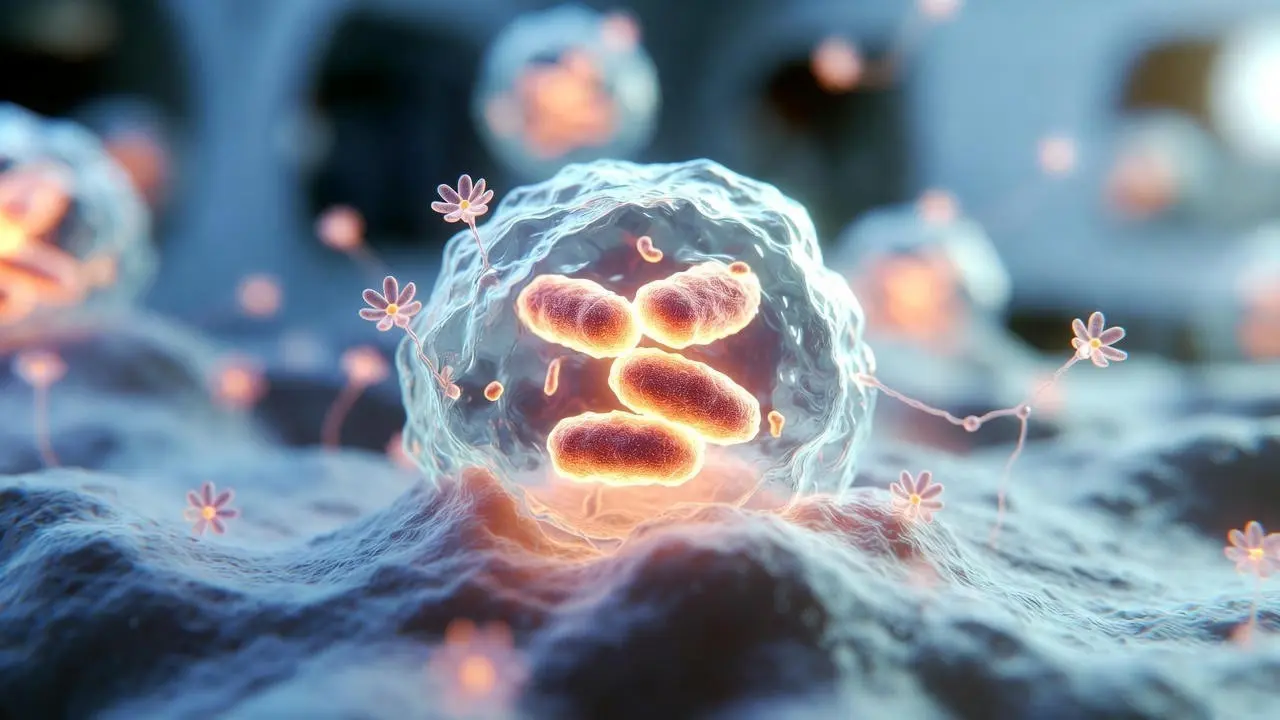
Tiny nanoflowers added to human stem cells help those cells make more energy powerhouses and may help damaged and aging tissues recover.

A new research study suggests moss could quietly help solve crimes by linking people, places, and timelines.

New research shows clocks on Mars tick faster than on Earth and the Moon, reshaping future space mission timekeeping.

A new research study finds alcohol consumption increases buccal mucosa cancer risk in Indian men, even at very low daily levels.

A new research study shows a liver based mRNA treatment can restore aging immunity and improve vaccine and cancer responses.

A new study finds global food habits may now play a decisive role in slowing climate warming.
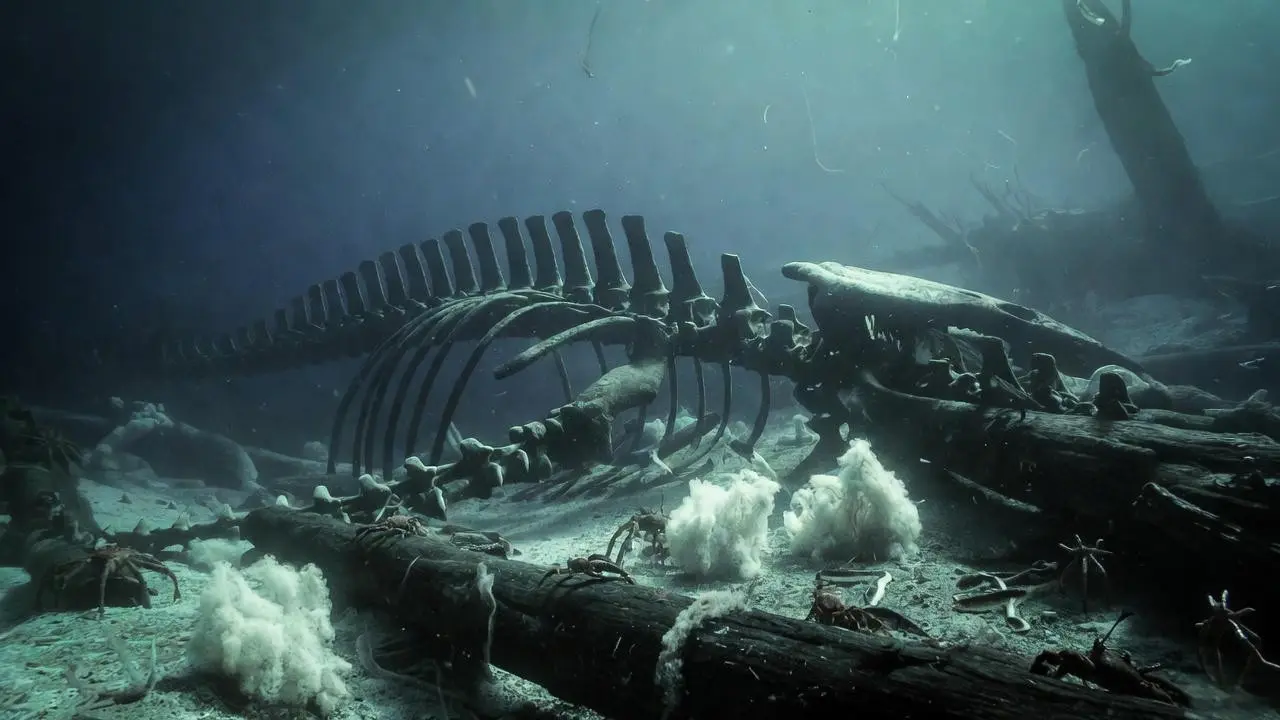
Deep-sea megafauna change over time on whale bones and wood in a low-oxygen canyon, revealing how oxygen shapes ocean life.
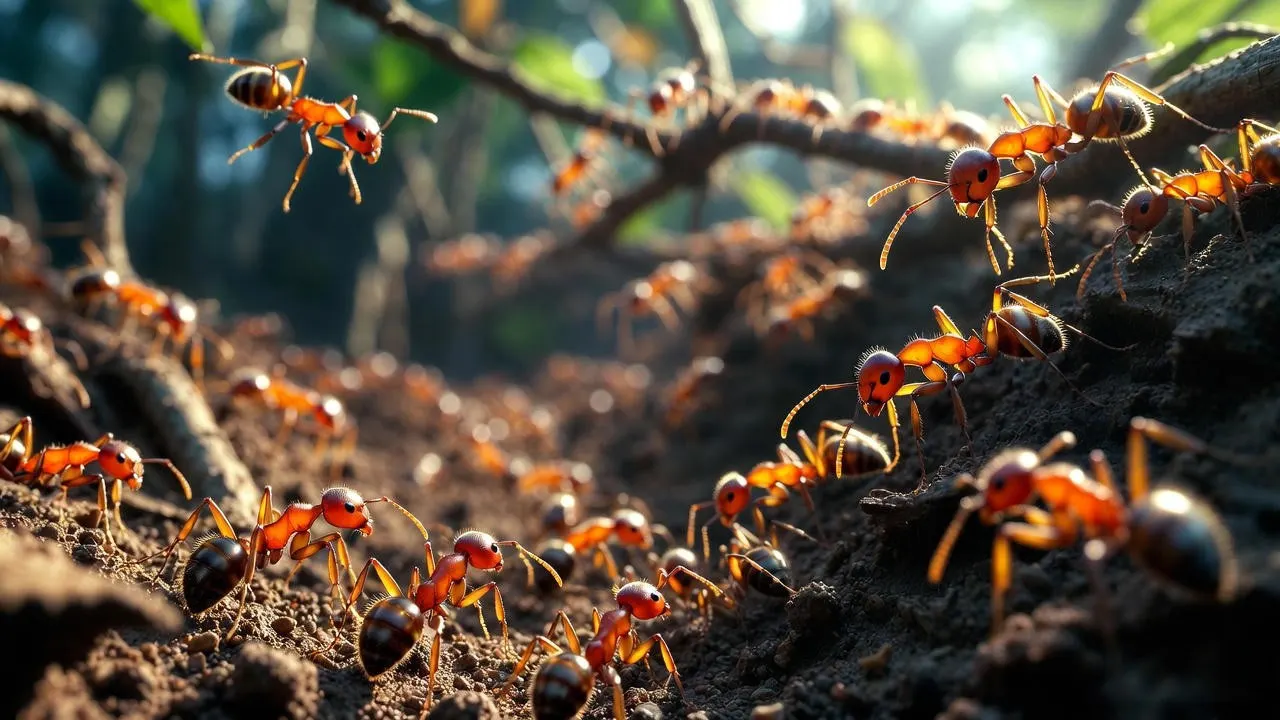
New ant research shows that cheaper worker ants led to bigger colonies and faster evolution in ants.

A new microplastics filter study shows a fish-inspired design can block nearly all plastic fibers from washing machines.
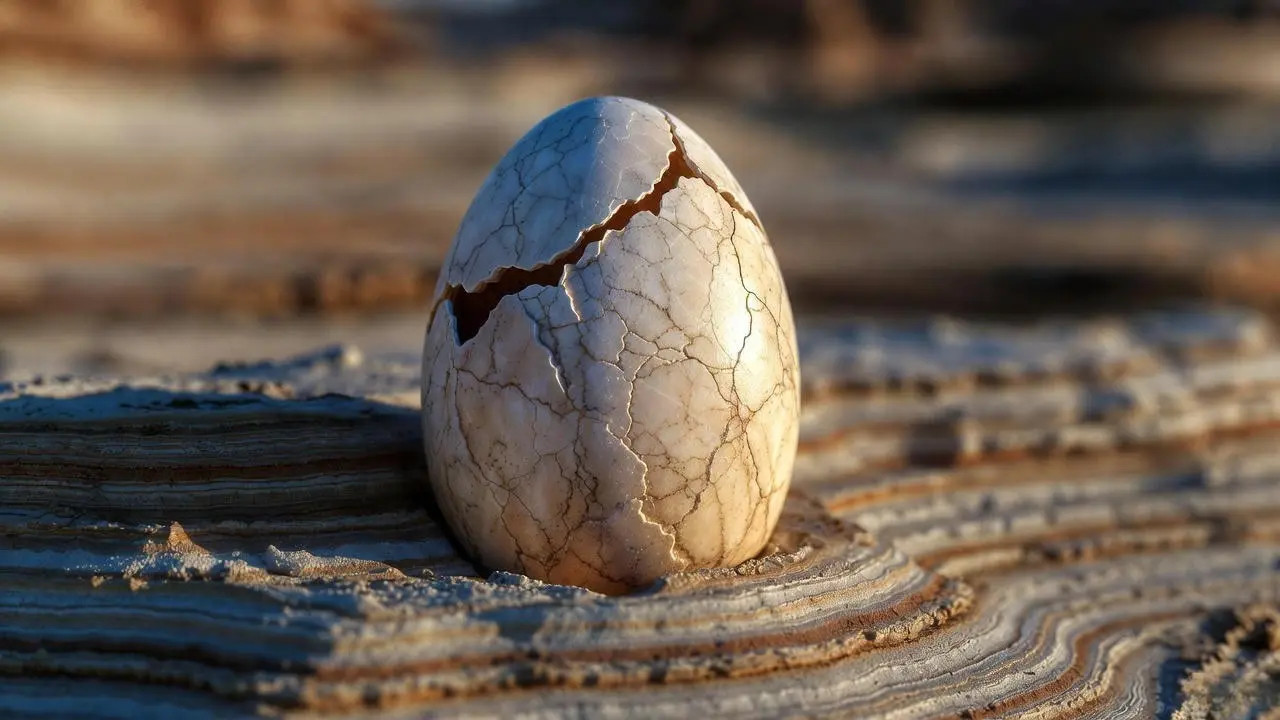
A new research study reveals dinosaur eggs can now be used as precise time markers in Earth’s deep history.

A new seismic landslide study reveals tiny underground signals that could improve tsunami and landslide warnings in Alaska.
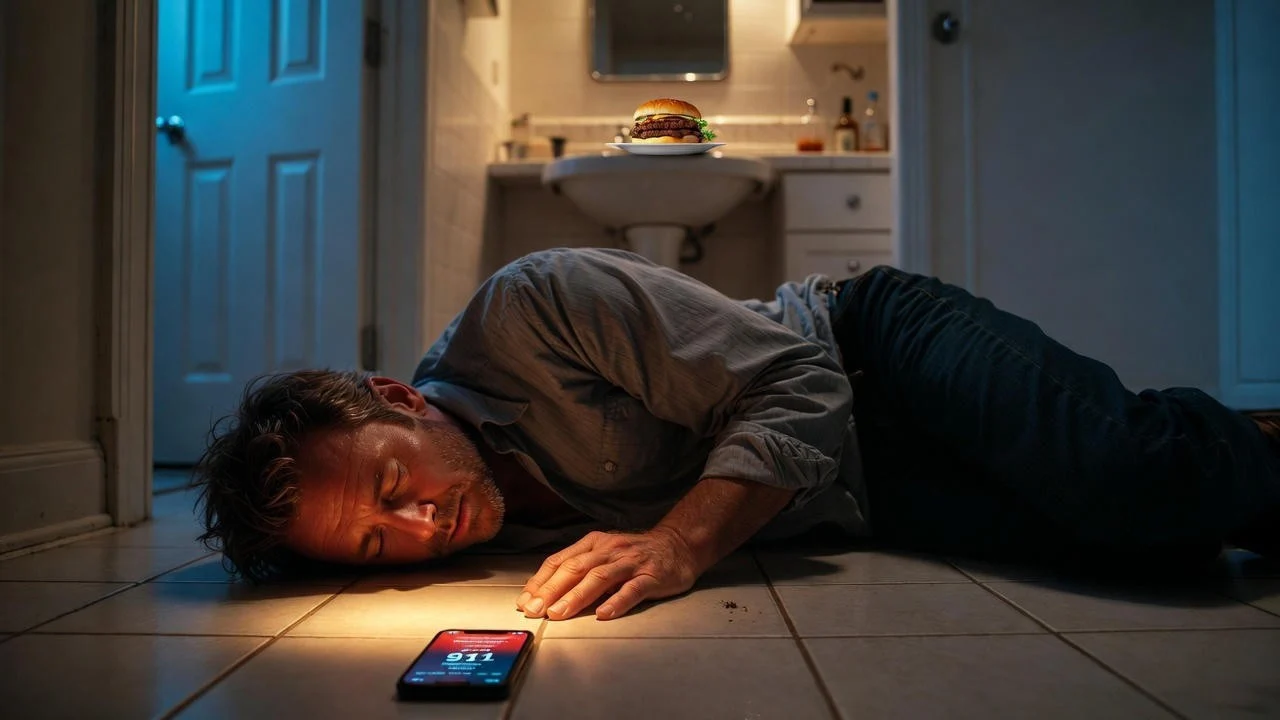
A new research study reveals a delayed meat allergy can trigger fatal reactions hours after eating beef.
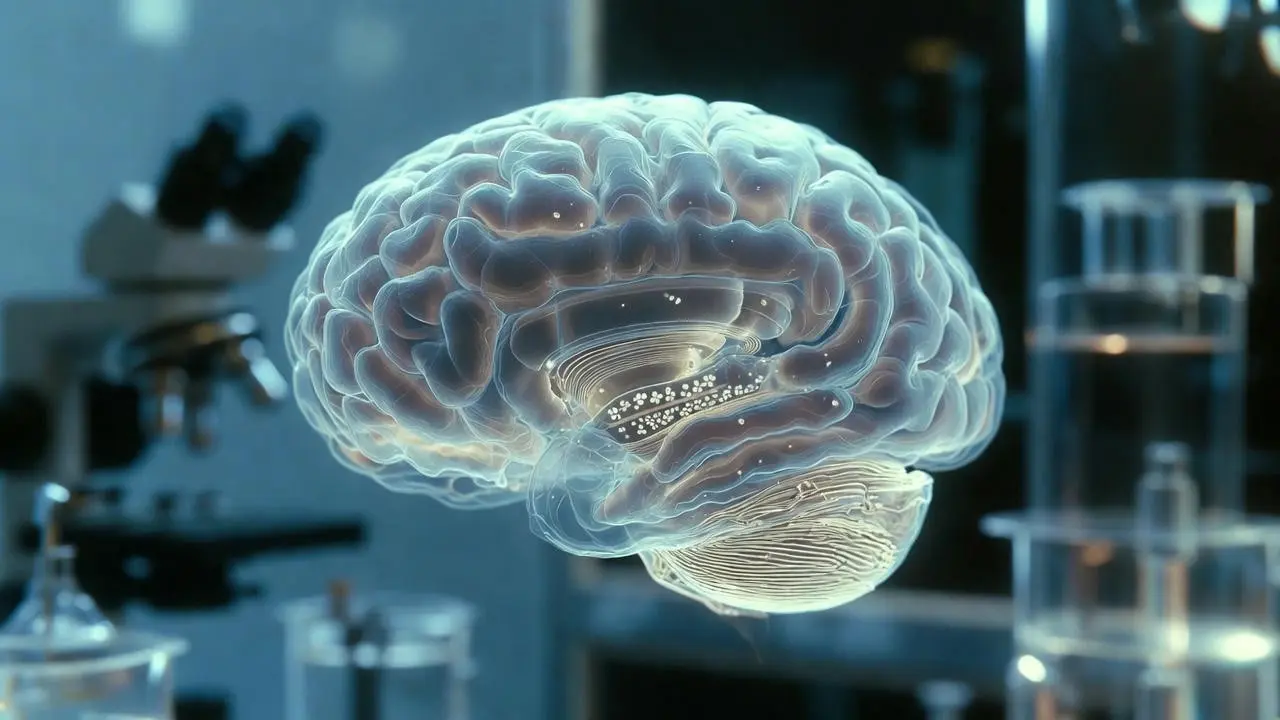
A new microcephaly study reveals how tiny errors during early brain cell division can limit brain growth.
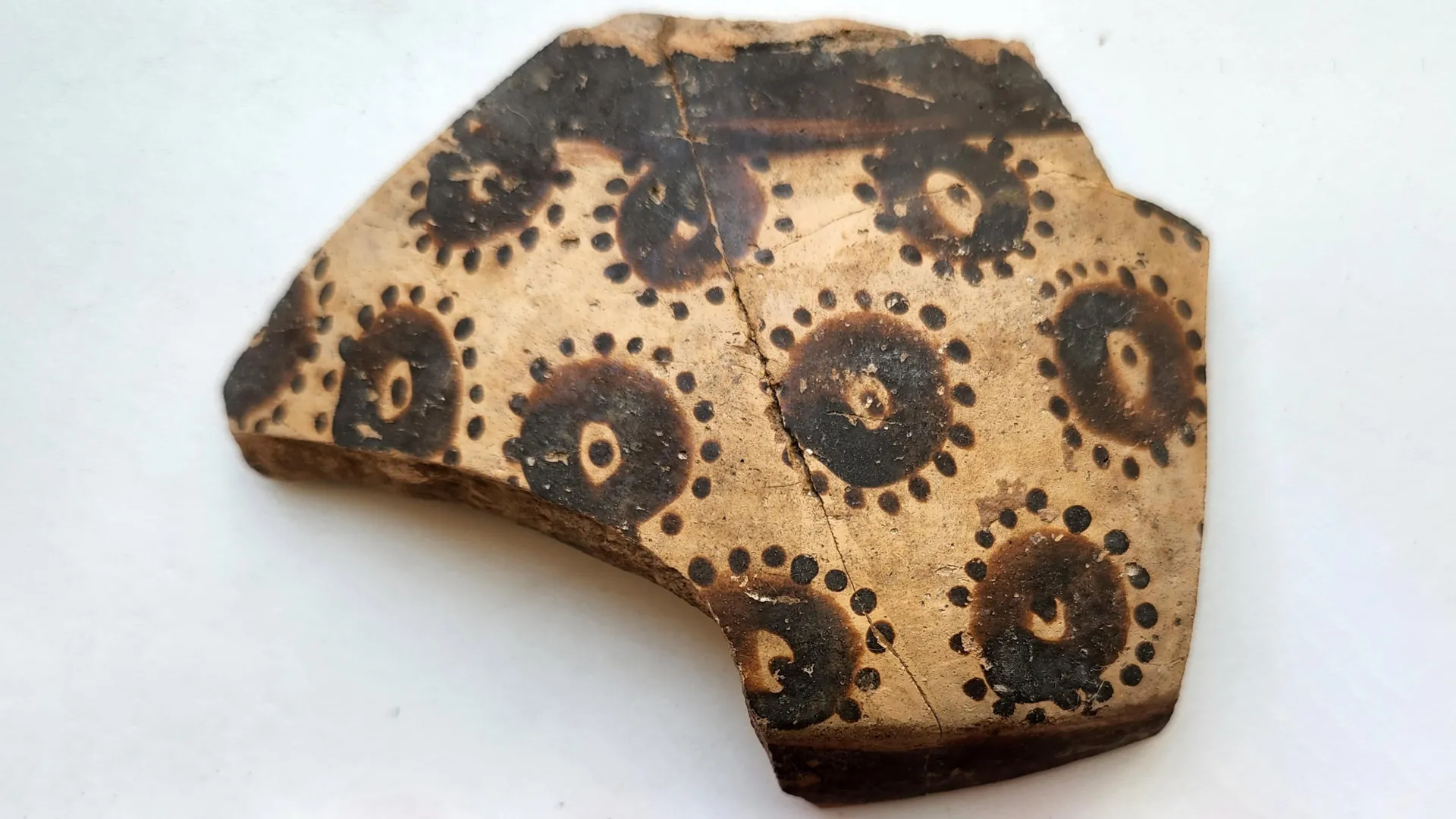
New research reveals ancient pottery shows early math skills and plant awareness thousands of years earlier than believed.
New COVID research suggests hidden infections may play a key role in long COVID symptoms months after recovery.