

Topic
New Research Finds
33 articles
Start here
Curated reading order
Newest first. Read top-down or pick what catches you.

New Research Finds
Wild Blueberries Are a Real Gut-Health Hack, Says New Review
New Research Finds
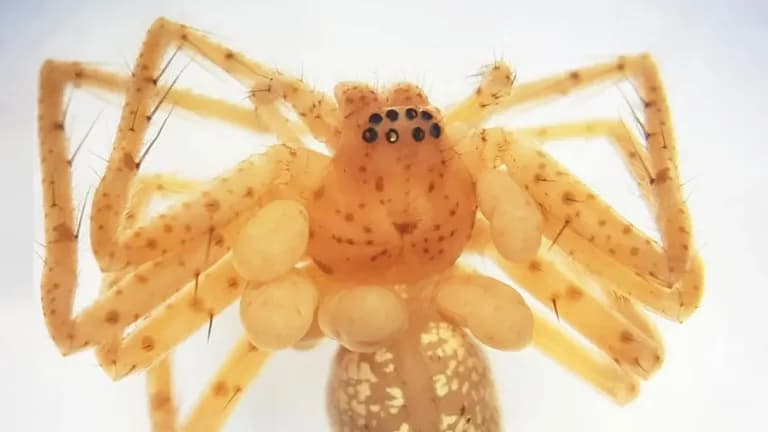
Why a Spider’s Pearl Necklace Was Living Parasites—and Brazil Just Found a New Mite Family
New Research Finds
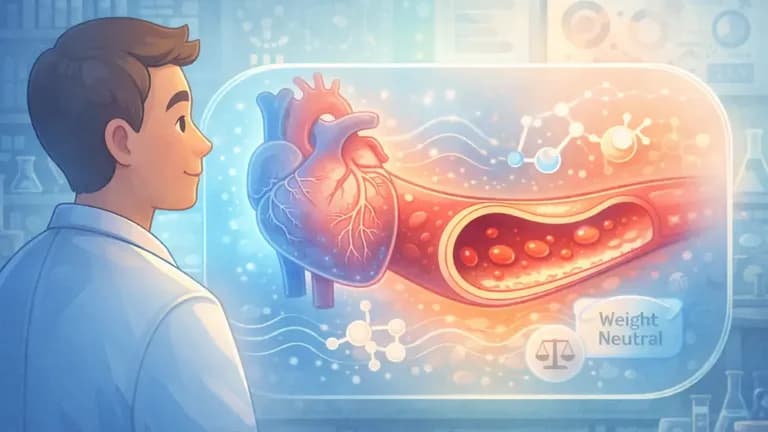
Why a Diabetes Drug That Doesn’t Make You Lose Weight Could Protect the Heart

New Research Finds
Why a Trojan-Horse Immunotherapy Is Turning Cancer's Guards Into Its Weak Spot

New Research Finds
Why the Early Heart-Detection Trend Is Real: A Skin Scan Spots Heart Disease Years Before Symptoms

New Research Finds
Why the Collagen Craze Isn’t Fixing Skin—Science Says Most Supplements Don’t Work
New Research Finds
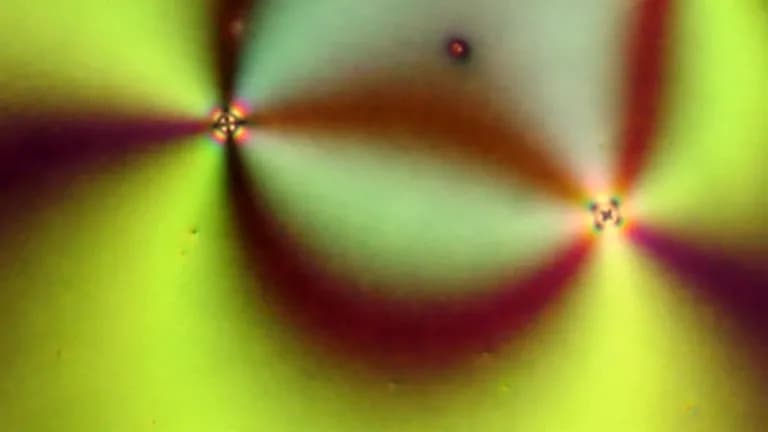
AI Predicts Nature’s Defects 1,000x Faster—and That Changes How We Design Materials

New Research Finds
Brain Cancer May Begin Years Before It’s Visible—and Now We Know Where It Starts
New Research Finds
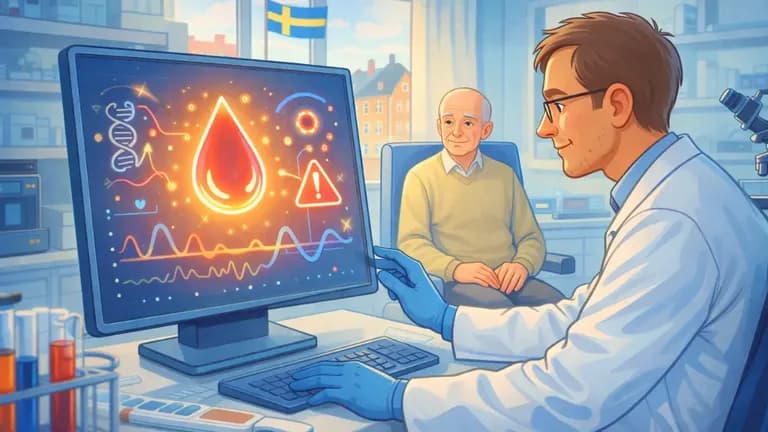
Why a Simple Blood Test That Spots Parkinson’s Years Before Symptoms Could Transform Early Diagnosis

New Research Finds
Why Grandparents Who Babysit May Slow Cognitive Decline — And It's Not About How Often
New Research Finds
The Fat You Can’t See Could Be Shrinking Your Brain — A Hidden Risk Beyond BMI

New Research Finds
Tea Health Boosts Depend on How You Drink It: Fresh Brew Beats Bottled Tea Every Time

New Research Finds
Why Radio Waves Are Becoming a Time Machine for Dying Stars

New Research Finds
NASA Rolls Out Artemis II Rocket to Launch Pad Ahead of First Crewed Moon Mission

New Research Finds
Keto Weight Loss May Come with a Hidden Cost: Long-Term Metabolic Risks Found in Mice
New Research Finds
Asthma Isn’t Caused by Leukotrienes After All — Meet the Pseudo-Leukotrienes

New Research Finds
Why Artemis II Around the Moon Is NASA's Real Moon Mission — And the One That Matters Most

New Research Finds
Why the brain glitch misreading inner speech explains hearing voices — and how that challenges old schizophrenia myths

New Research Finds
Why 150 Minutes of Exercise Per Week Could Make Your Brain Look Biologically Younger
New Research Finds
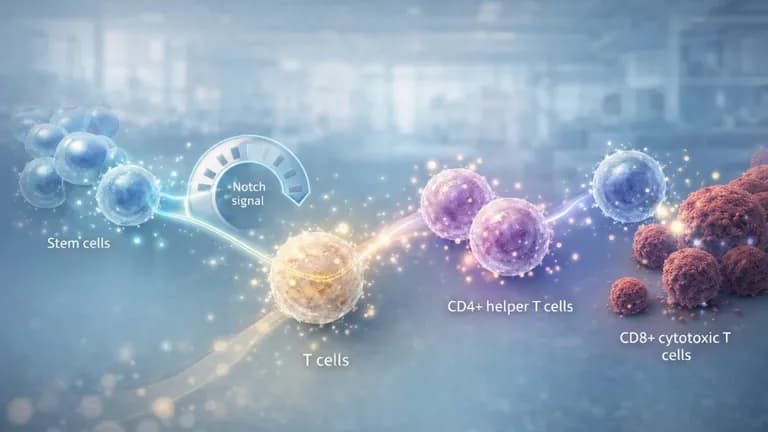
Why Off-The-Shelf Cancer Cell Therapies Are Finally Real: The Notch Timing Twist
New Research Finds
Tiny Nanoflowers in Stem Cells Could Recharge Aging Human Cells and Boost Healing

New Research Finds
Scientists Find Moss Can Act Like a Silent Witness at Crime Scenes

New Research Finds
New Study Finds Even Small Amounts of Alcohol Raise Mouth Cancer Risk in Indian Men

New Research Finds
Ants Grew Big Armies by Giving Up Armor and Winning With Numbers
Authors
Who writes on this topic
Subscribe to the New Research Finds newsletter
Newsletter
From obsession to clarity — one original question every week.
We answer one noisy topic at a time, in full. No daily roundup, no thread bait — just the question, the principles, and the system.