Skip to content
Geeks Around Globe
  • Evolving AI
  • Mind Blown
  • Net worth
    • Company Net worth
    • Contestants Net Worth
    • Sharks Net Worth
  • New Research Finds
  • Shark Tank
    • Shark Tank Australia
    • Shark Tank India
    • Shark Tank USA
  • Watch Order
  • More
    • Trending
    • AnswerReddit
    • Education
      • Guide
        • How To
    • Entertainment
      • Gaming
      • Sports
      • Tv Shows
    • Finance
      • Business
        • E-Commerce
        • Marketing & Management
        • Startups
          • Kickstarter Hits & Misses
      • Insurance
      • Loans/Debts
      • Real Estate
    • Health & Fitness
    • Information & Tech
      • Artificial Intelligence
        • Evolving AI
      • Cryptocurrency
        • Blockchain
        • Forex
        • Trading
      • Cyber Security
      • Digital Marketing
        • SEO
      • Software Development
        • App Development
      • Videos and Graphics
    • Law/Legal
    • Lifestyle
      • Fashion & Beauty
      • Foods & Experience
        • Gordon Ramsay’s Recipies
        • Kitchen Nightmares
      • Home/Garden
      • Life Hacks
      • Travel & Tourism
    • News
    • Science & Tech
      • Automobile
      • Scientists
    • Quotes

Science & Tech

The Science of Pavement: Why Asphalt Fails and the Engineering Behind a Permanent Repair

January 31, 2026 Joshua White
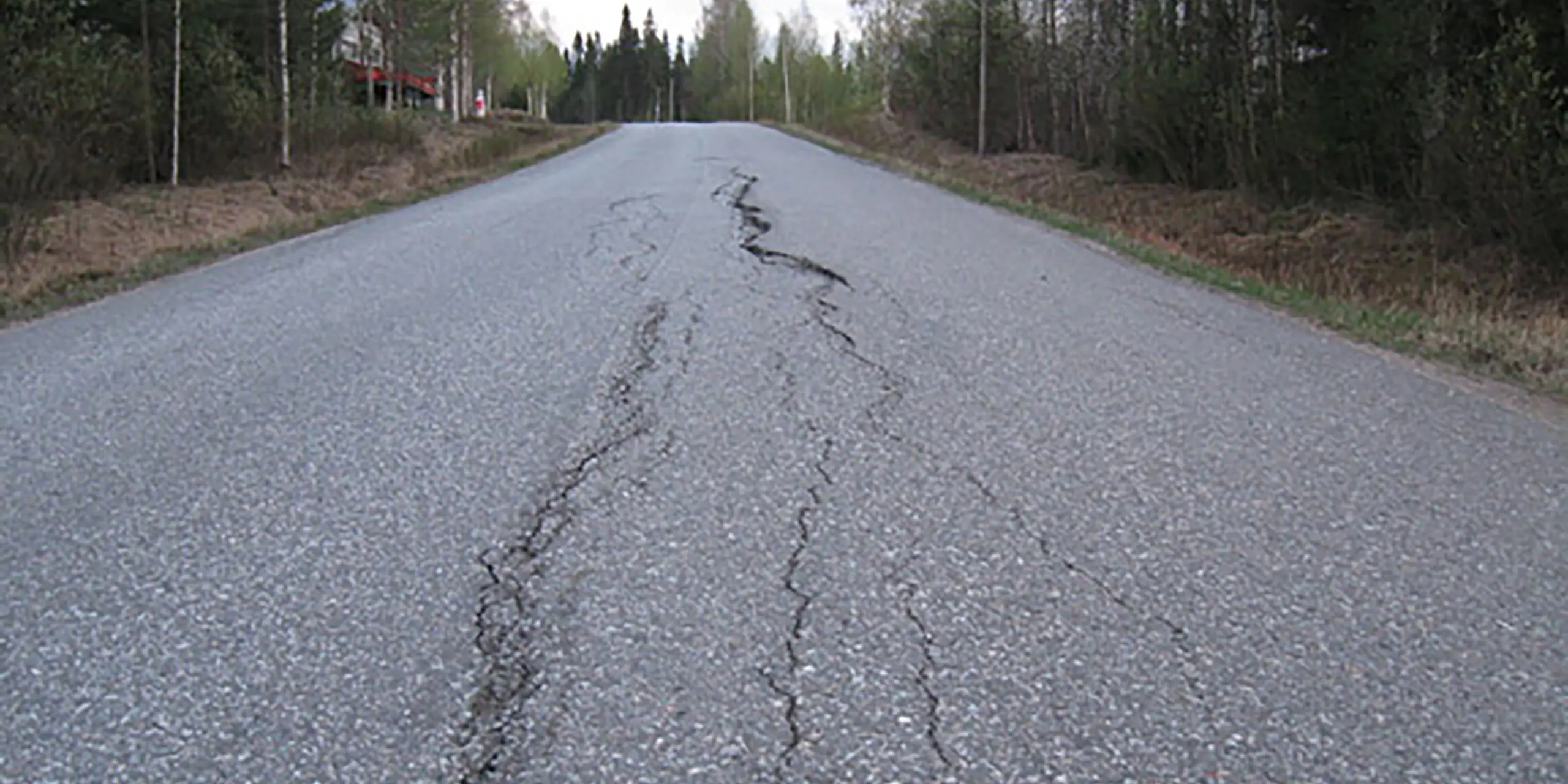
Why asphalt fails

Why asphalt fails often comes down to oxidation, water damage, and structural weaknesses—but modern engineering can provide permanent pavement repair solutions.

Categories Science & Tech Leave a comment

Why Noise Is Cooling Quantum Computers — The Tiny Refrigerator That Uses Random Fluctuations to Chill Qubits

January 29, 2026 Mayura Rajapaksha, Imasha Karunarathne
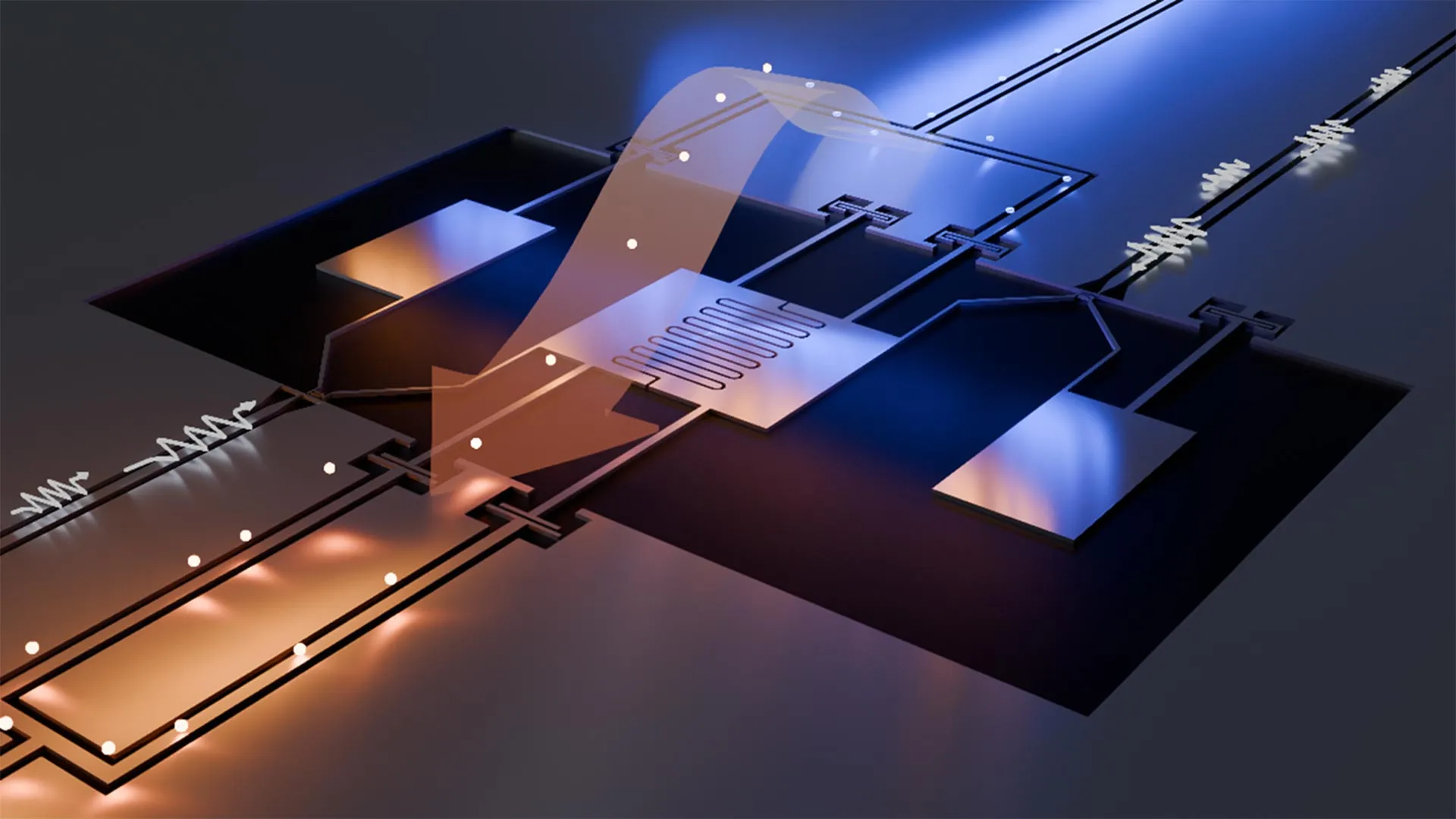
Illustration of a superconducting quantum circuit where red and blue microwave channels represent hot and cold heat reservoirs connected to two qubits, with controlled microwave noise injected to guide heat flow.

In a humming nanofabrication lab at Chalmers, a whisper of microwave noise is fed into a tiny superconducting circuit and the qubits cool as if by magic.

Categories New Research Finds Leave a comment

Why the Collagen Craze Isn’t Fixing Skin—Science Says Most Supplements Don’t Work

January 29, 2026 Mayura Rajapaksha, Imasha Karunarathne
Cartoon illustration of a dermatologist in a bright clinic setting aside collagen supplement pills while reviewing scientific study results on a computer screen.

In a sunlit Tufts dermatology office, Farah Moustafa, MD, FAAD, sets a bottle of collagen capsules down as a morning meta-analysis flickers on her monitor.

Categories New Research Finds Leave a comment

AI Predicts Nature’s Defects 1,000x Faster—and That Changes How We Design Materials

January 29, 2026 Mayura Rajapaksha, Imasha Karunarathne
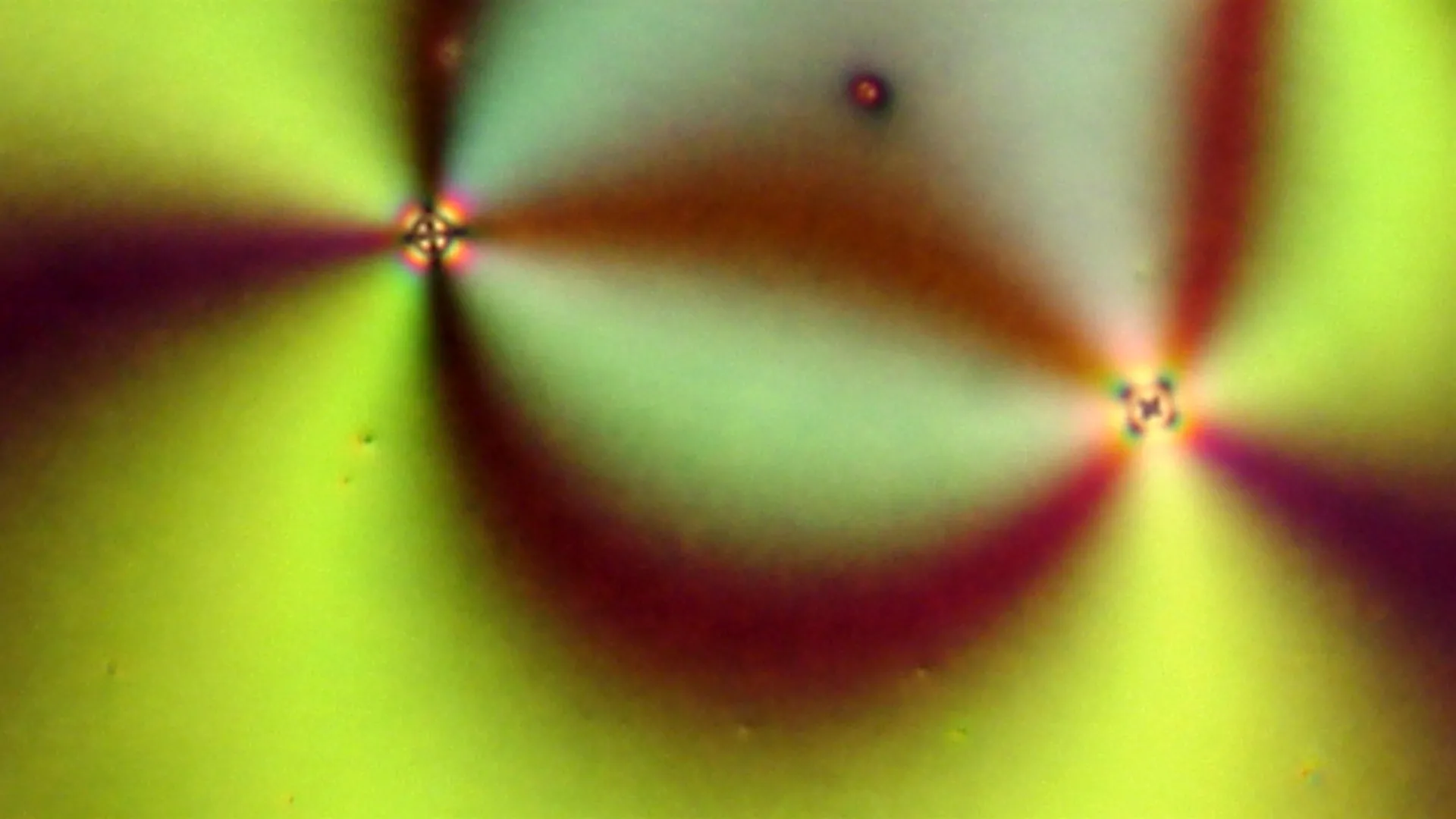
AI-generated visualization showing molecular alignment in a liquid crystal, where two point defects of opposite sign attract and annihilate each other under mapped boundary conditions.

In a blue-lit lab at Chungnam National University, Prof. Jun-Hee Na watches an AI surrogate spit out a defect map for nematic liquid crystals in milliseconds, turning hours of calculation into a single keystroke.

Categories New Research Finds Leave a comment

How Animal Footprints Can Reveal the Health of an Entire Ecosystem

January 29, 2026 Mayura Rajapaksha, Imasha Karunarathne
Close-up photograph of a Bushveld sengi (Elephantulus intufi), a small elephant shrew species, in its natural habitat.

Today, in the dust of Telperion Nature Reserve, a tiny footprint could unlock a non-invasive read on ecosystem health—without DNA.

Categories New Research Finds Leave a comment

The Ozempic Boom Isn’t a Long-Term Weight Solution: BMJ Meta-Analysis Reveals Weight Rebound After Stopping GLP-1 Drugs

January 29, 2026 Mayura Rajapaksha, Imasha Karunarathne
Cartoon illustration of a person on a scale showing weight loss followed by gradual regain over time, highlighting GLP-1 drug rebound.

In a dim Oxford seminar room, a glowing chart shows weeks of dramatic weight loss on GLP-1 drugs, only to reveal a stubborn rebound once the pills are stopped.

Categories New Research Finds Leave a comment

Brain Cancer May Begin Years Before It’s Visible—and Now We Know Where It Starts

January 29, 2026 Mayura Rajapaksha, Imasha Karunarathne
Cartoon illustration of a doctor showing a patient a glowing brain map that highlights early glial progenitor cell changes linked to brain cancer.

In a KAIST lab, a spatial map glows where normal brain cells begin mutating into a glioma long before any scan can reveal a lump.

Categories New Research Finds Leave a comment

Why a Simple Blood Test That Spots Parkinson’s Years Before Symptoms Could Transform Early Diagnosis

January 29, 2026 Mayura Rajapaksha, Imasha Karunarathne
Cartoon-style illustration of a scientist examining a blood sample on a monitor that displays simplified gene-activity signals related to early Parkinson’s detection, with a patient seated nearby in a bright lab setting.

In a sunlit lab at Chalmers, a drop of blood flickers on a monitor as Danish Anwer spots a prodromal Parkinson’s fingerprint that surfaces years before any tremor.

Categories New Research Finds Leave a comment

Why Grandparents Who Babysit May Slow Cognitive Decline — And It’s Not About How Often

January 29, 2026 Mayura Rajapaksha, Imasha Karunarathne
Cartoon-style illustration of grandparents engaging with a young child while reading together in a warm living room, symbolizing how meaningful family involvement supports cognitive health in older adults.

In a Tilburg lab, a stack of cognitive tests glows softly as Dr. Flavia S. Chereches explains that the simple act of helping a grandchild may be more than a family duty—it could keep the aging brain sharper.

Categories New Research Finds Leave a comment

The Fat You Can’t See Could Be Shrinking Your Brain — A Hidden Risk Beyond BMI

January 29, 2026 Mayura Rajapaksha, Imasha Karunarathne
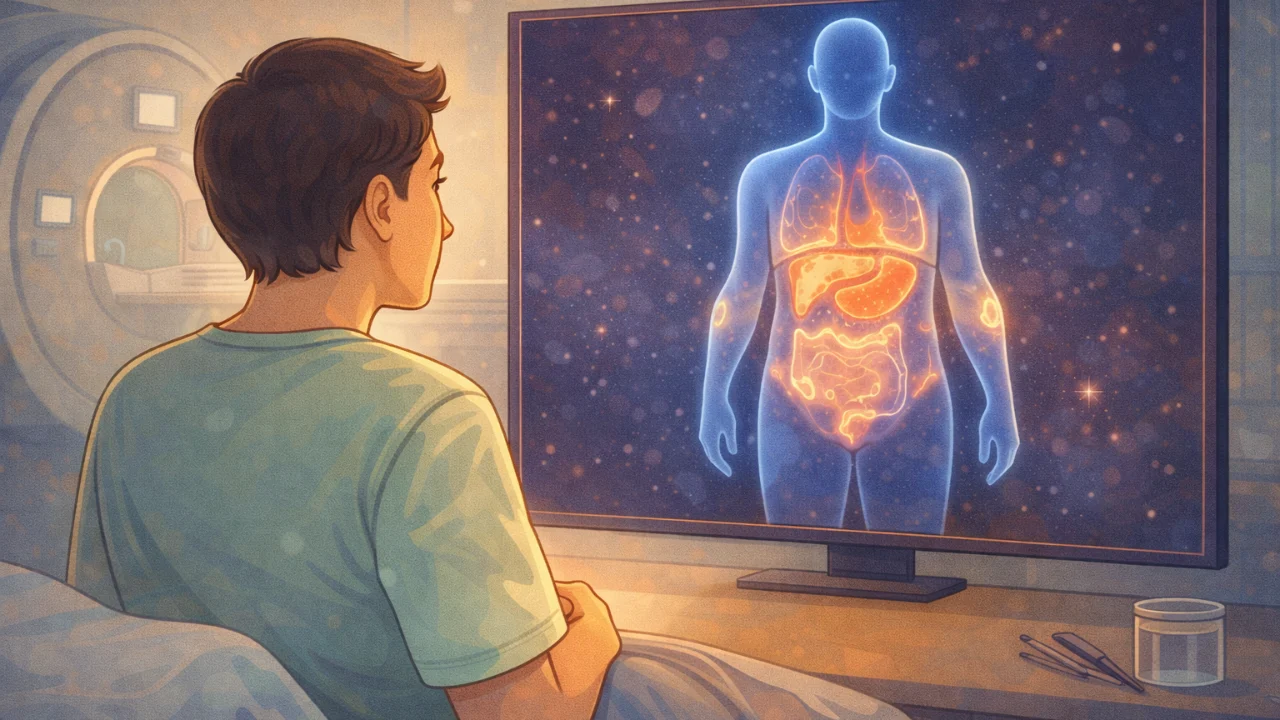
Cartoon-style illustration of a person viewing an MRI body map highlighting hidden fat around the pancreas and internal “skinny fat” pockets in a warm, approachable medical setting.

In a quiet MRI lab, a heat-map of hidden fat patterns flickers to life, revealing two patterns that predict brain aging even when BMI looks normal.

Categories New Research Finds Leave a comment

Why the ‘Capture, Then Convert’ Playbook Is Obsolete: One Electrode Converts Exhaust CO2 to Formic Acid in Real-World Gas

January 29, 2026 Mayura Rajapaksha, Imasha Karunarathne
Cartoon-style illustration of a scientist operating a compact CO2-conversion device that turns exhaust gas into formic acid using a glowing three-layer electrode in a modern lab.

In a gleaming Korean lab, exhaust gas threads through a three-layer electrode as formic acid blooms in real time, turning a familiar plume into a usable chemical at the push of a single device.

Categories New Research Finds Leave a comment

Dark Stars: The Surprising Key to JWST’s Early-Universe Puzzles

January 29, 2026 Mayura Rajapaksha, Imasha Karunarathne
Cartoon-style illustration of a dark star powered by dark matter inside a microhalo in the early universe, with faint galaxies and a space telescope in the background.

In a Colgate lab late at night, Cosmin Ilie sketches a star born not from fusion but of dark matter, a beacon he hopes will illuminate the cosmic dawn.

Categories New Research Finds Leave a comment

Why the Space-Safety Panic Is Scientifically Justified: LEO Could Collapse in 2.8 Days

January 29, 2026 Mayura Rajapaksha, Imasha Karunarathne
Cartoon-style illustration of a mission control room showing engineers monitoring a 2.8-day CRASH Clock countdown, with Earth, satellites, and an incoming solar storm displayed on large screens.

Morning at mission control, a blinking CRASH Clock hits 2.8 days and the room realizes a solar storm could turn Low Earth Orbit into a chaotic, self-feeding cascade.

Categories New Research Finds Leave a comment

Why Long COVID Brain Fog in the U.S. Seems Worse — It’s Not the Virus, It’s Culture.

January 29, 2026 Mayura Rajapaksha, Imasha Karunarathne
Cartoon-style illustration of diverse patients from the U.S., Colombia, Nigeria, and India speaking with clinicians, with a world map and simple brain fog icons in the background to show how culture and care influence symptom reporting.

In a sunlit Northwestern conference room, a wall map of four continents glows as researchers compare a startling chart: about 86% of U.S. patients report brain fog, while India sits around 15%, forcing a rethink of Long COVID as biology alone.

Categories New Research Finds Leave a comment

Why Everyday Statins Could Make Immunotherapy Work—The Hidden PD-L1 Route

January 28, 2026 Mayura Rajapaksha, Imasha Karunarathne
Cartoon-style illustration of a doctor showing a cancer patient a simple visual of vesicles carrying PD-L1 and how statins may block the pathway, in a warm and supportive clinical setting.

At dawn in a cluttered lab at Fujita Health University, PD-L1 rides a tiny vesicle through the lab’s glow, and Kunihiro Tsuchida realizes an ordinary statin could block that shipment, upending how we think about immunotherapy resistance.

Categories New Research Finds Leave a comment

Tea Health Boosts Depend on How You Drink It: Fresh Brew Beats Bottled Tea Every Time

January 28, 2026 Mayura Rajapaksha, Imasha Karunarathne
Cartoon-style illustration of a person preparing a fresh cup of green tea in a cozy kitchen, with steam rising from the mug and a processed tea bottle nearby for contrast.

In a sunlit Beijing laboratory, a steam-wreathed cup of green tea hovers above the bench as researchers chase data that stubbornly refuse to align.

Categories New Research Finds Leave a comment
Older posts
Newer posts
← Previous Page1 Page2 Page3 … Page19 Next →
© 2026 Geeks Around Globe • Built with GeneratePress