
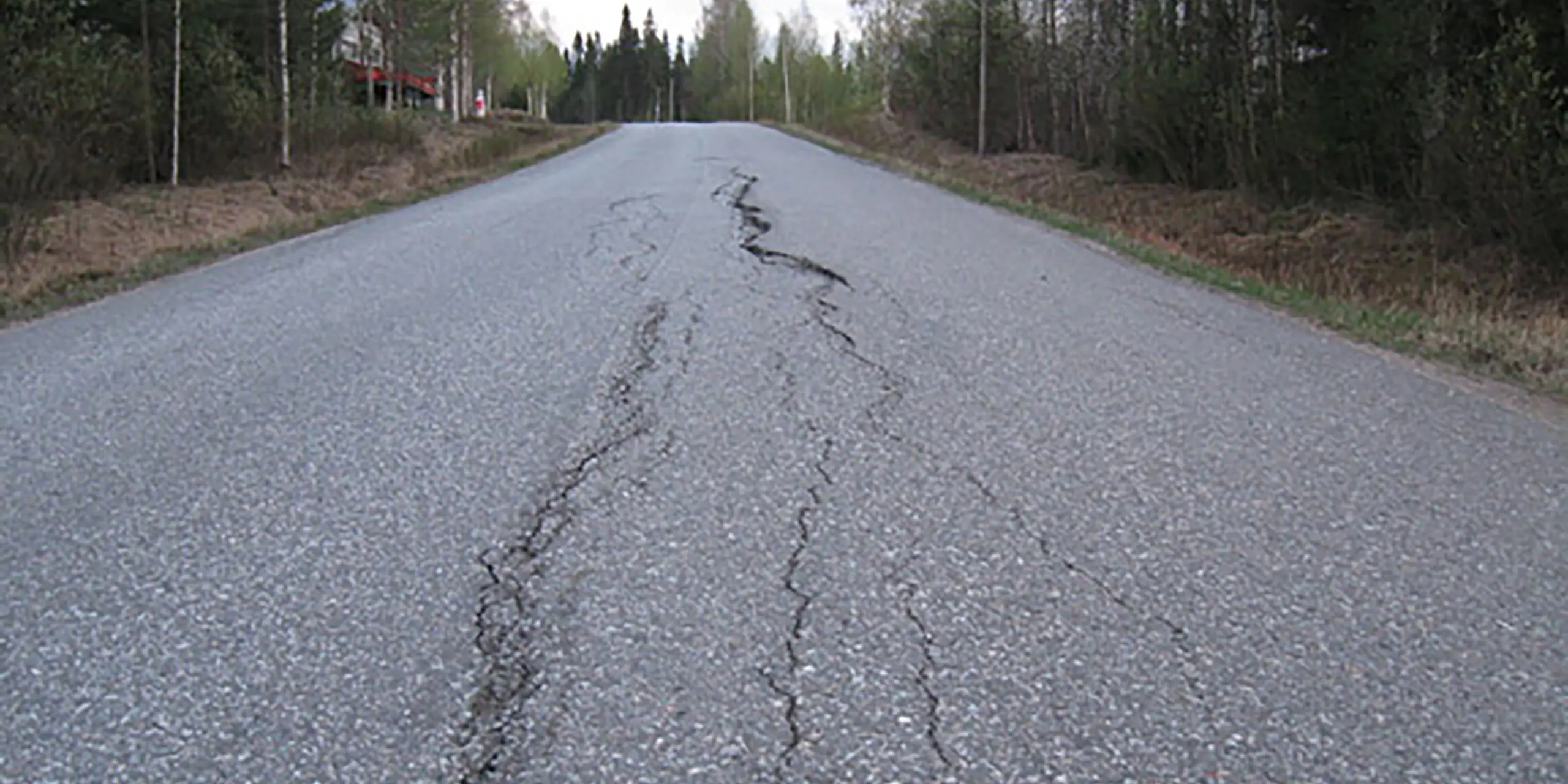
Ever walked across a parking lot and noticed those spider web cracks spreading across the asphalt? Or maybe you’ve watched a pothole grow from a tiny crack into something that could swallow a small car? There’s actually some pretty fascinating science behind why asphalt behaves the way it does.
What Makes Asphalt Tick (And Why It Eventually Doesn’t)
Here’s the thing about asphalt: it’s basically a carefully engineered sandwich. You’ve got layers of aggregate (that’s rocks and gravel) all held together with bitumen, which is essentially a petroleum-based glue. When everything’s fresh and new, this combination creates a surface that’s flexible enough to handle expansion and contraction, but tough enough to support heavy loads.
But asphalt has enemies. The biggest one? Time itself.
The Slow-Motion Battle Against Nature
Picture this: every single day, your driveway or the road outside is fighting a constant battle against temperature changes, water infiltration, UV radiation, and the weight of vehicles. The bitumen that holds everything together starts to oxidize when exposed to air and sunlight. Think of it like an apple browning after you cut it, except this process makes the asphalt brittle.
Then winter arrives with its freeze-thaw cycles. Water seeps into tiny cracks, freezes, and expands with incredible force. This literally pushes the asphalt apart from the inside. Come spring, you’re left with bigger cracks that let in more water, and the cycle accelerates.
Why Quick Fixes Usually Aren’t
Most people see a crack and think, “I’ll just throw some sealant on there and call it good.” To be honest, that’s like putting a Band-Aid on a broken bone sometimes.
The truth is, surface repairs often fail because they don’t address what’s happening underneath. That crack you’re seeing? It might be telling you that the foundation has shifted, or that water has been undermining the base layer for months.
Actually, this gets pretty complex when you start looking at load distribution and soil conditions. The asphalt itself might be fine, but if the substrate beneath it has washed away or shifted, no amount of surface patching will create a lasting solution.
What Engineering-Based Repairs Actually Look Like
Real asphalt repair starts with diagnosis. Professional contractors don’t just look at the surface damage; they’re trying to understand why the failure happened in the first place.
Sometimes that means cutting out sections to examine the base layers. Other times, it involves looking at drainage patterns or soil composition. The goal isn’t just to make things look good again; it’s to address the root cause so the problem doesn’t come back in six months.
For homeowners dealing with driveway issues, finding qualified professionals who understand these principles makes all the difference. When searching for asphalt driveways near me, you want contractors who think like engineers, not just surface-level fixers.
The Chemistry of Permanent Solutions
Modern asphalt repair involves some pretty sophisticated materials science. New polymer-modified bitumens can handle temperature extremes better than traditional materials. There are additives that improve flexibility, others that enhance drainage, and some that actually help the asphalt self-heal minor cracks.
But here’s where it gets interesting: the best repair material in the world won’t work if it’s applied incorrectly. Proper surface preparation, correct temperatures during application, and adequate compaction all play critical roles in whether a repair will last two years or twenty.
Looking Forward
The future of asphalt repair is moving toward preventive maintenance rather than reactive fixes. Smart sensors can now detect early signs of failure before they’re visible to the naked eye. Some experimental asphalts even change color when they’re approaching the end of their service life.
But for now, understanding why asphalt fails in the first place remains the key to getting repairs that actually work. Your driveway might seem simple, but there’s a lot of science keeping it solid under your feet.