
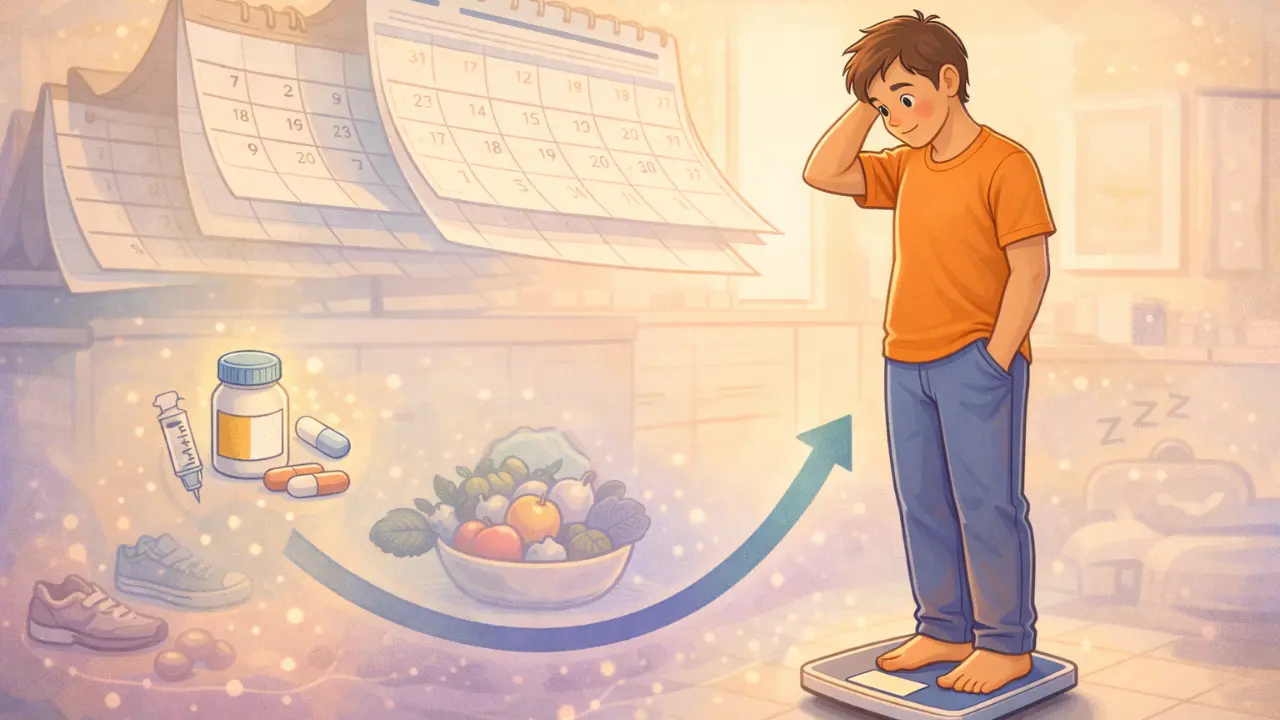
Based on a review of 37 studies published up to February 2025, a major analysis in BMJ led by Sam West and the weight-management team at the University of Oxford reaches a clear conclusion. While GLP-1 drugs like Ozempic, Wegovy, and Zepbound can drive impressive weight loss at first, those results often fade after the medication is stopped. In plain terms, as summarized by ScienceDaily, the weight loss does not reliably last on its own without longer-term lifestyle changes to support it.
The Mirage of Quick Wins
In real-world settings, the initial drops are impressive, but the momentum often stalls once the pills are discontinued. The Oxford analysis emphasizes that the durability of weight loss is limited, and patients who rely on GLP-1 therapies alone should anticipate a return toward baseline over time.
Key quantitative signals from the synthesis show weight loss fluctuations dissipating within about 1.7 years after stopping the meds, while cardiometabolic benefits fade within about 1.4 years. These are not edge cases; they appear across multiple trial types and populations, reinforcing the need for long-term maintenance planning.
Why the Rebound Happens: A Maverick Look at the Evidence
The rebound is not simply a single mechanism but a confluence of biology and behavior. When GLP-1 drugs suppress appetite and modify eating patterns, the body compensates after withdrawal: appetite hormones rebound, energy balance recalibrates, and many patients revert to habitual habits that contributed to weight gain in the first place. This explains why the BMJ original article frames stopping as a critical juncture for maintaining any gains. For a plain-language summary, see ScienceDaily.
These findings underscore that GLP-1 medications should be viewed as adjuncts to long-term lifestyle strategies—not standalone solutions. The drugs can help people achieve meaningful short-term reductions, but without a robust plan for ongoing dietary quality, physical activity, sleep, and behavioral support, the clock starts on a weight-regain countdown the moment treatment ends.
From Prescription to Plan: What to Do Tomorrow
For patients and clinicians, the practical takeaway is clear: pair GLP-1 therapy with durable lifestyle change and a transition strategy for cessation. Start by prioritizing dietary quality, regular physical activity, and sleep optimization, then map a phased plan for continuing these habits after stopping medication. Discuss potential transition strategies with your clinician, including gradual tapering and a long-term maintenance blueprint anchored in real-world goals.
Public health implications are broad. If rapid, dramatic weight losses do not persist after stopping, the health benefits linked to weight and metabolic health are unlikely to be permanent without sustained behavior change and ongoing support, a point reinforced by the Oxford team and the BMJ analysis. For more context, you can consult the University of Oxford and the BMJ article linked above.
What This Means for Tomorrow: A Path Forward
The future of weight management won’t hinge on a single pill but on integrating pharmacology with a durable, lifestyle-centered plan. Patients should treat GLP-1 meds as a bridge to lasting habits, not a substitute for them. Programs that emphasize behavioral support, sustainable dietary quality, and habit formation after cessation are essential pieces of the puzzle.
Ultimately, the era of the drug-alone fix is ending. The real progress will come from a deliberate, long-term plan for maintenance that blends medical therapy with everyday healthy living, so the weight loss doesn’t vanish when treatment ends.
Related Insight
Caregiving by grandparents may support brain health through social and mental engagement.
Read the full article →