Dark Stars: The Surprising Key to JWST’s Early-Universe Puzzles
In a Colgate lab late at night, Cosmin Ilie sketches a star born not from fusion but of dark matter, a beacon he hopes will illuminate the cosmic dawn.

In a Colgate lab late at night, Cosmin Ilie sketches a star born not from fusion but of dark matter, a beacon he hopes will illuminate the cosmic dawn.
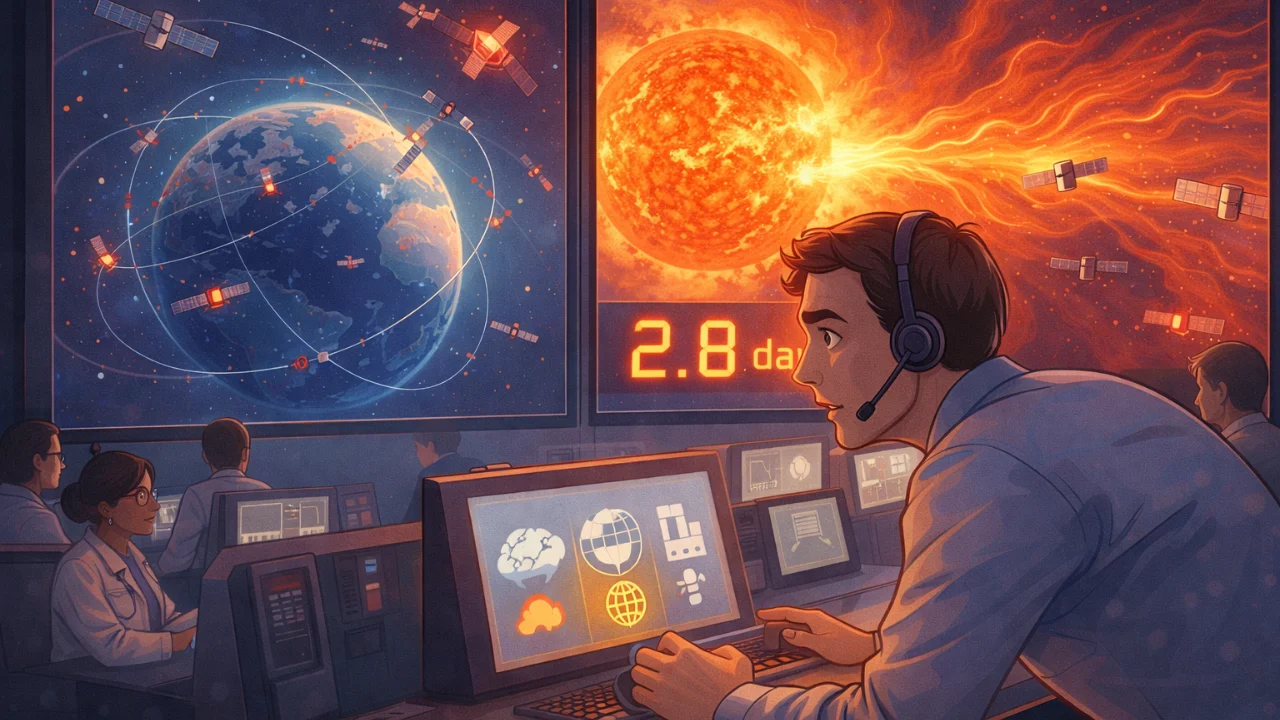
Morning at mission control, a blinking CRASH Clock hits 2.8 days and the room realizes a solar storm could turn Low Earth Orbit into a chaotic, self-feeding cascade.
In a sunlit Northwestern conference room, a wall map of four continents glows as researchers compare a startling chart: about 86% of U.S. patients report brain fog, while India sits around 15%, forcing a rethink of Long COVID as biology alone.

At dawn in a cluttered lab at Fujita Health University, PD-L1 rides a tiny vesicle through the lab’s glow, and Kunihiro Tsuchida realizes an ordinary statin could block that shipment, upending how we think about immunotherapy resistance.

In a sunlit Beijing laboratory, a steam-wreathed cup of green tea hovers above the bench as researchers chase data that stubbornly refuse to align.

In the New Mexico dawn, the VLA hums as a UVA PhD student watches a faint radio signal bloom, a clock-work echo from a star that shed gas years before exploding.
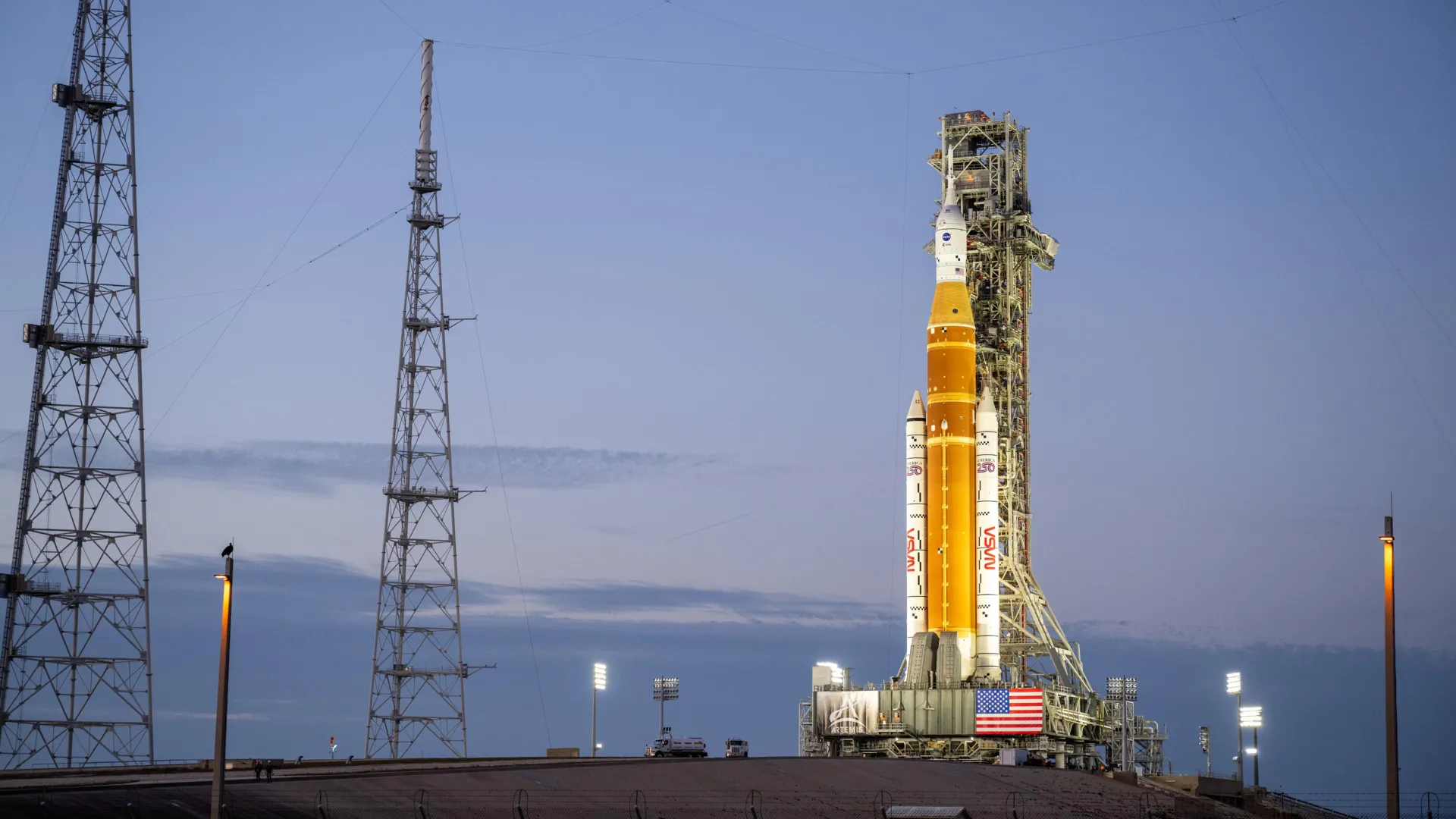
NASA has moved its Artemis II rocket to Launch Pad 39B for final fueling and countdown tests, marking the biggest milestone yet before astronauts fly around the Moon in 2026.
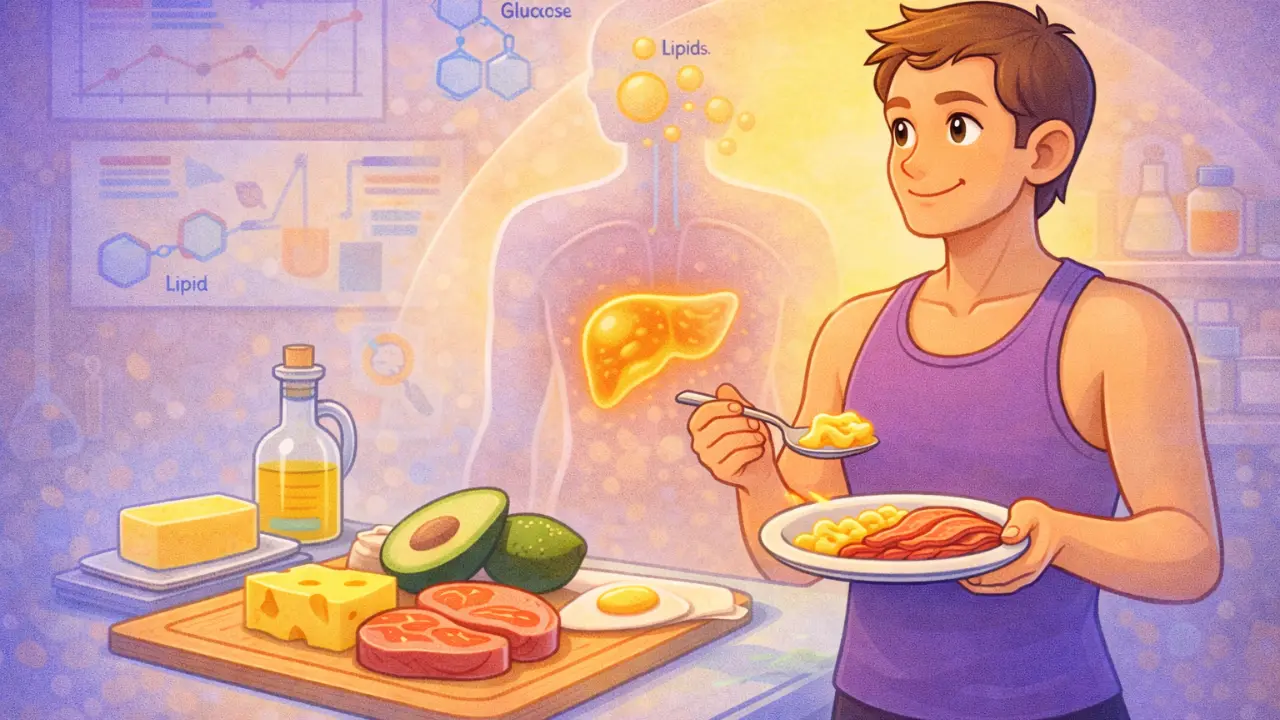
In a dim University of Utah Health lab, nine months into four diets, the ketogenic mice look leaner at first—until their livers fill with fat and glucose control frays when carbs reappear.

In a sunlit HKU lab, a mouse model sits under a pulse of light as Piezo1 on bone-marrow mesenchymal stem cells flicks from idle to active, turning morning movement into stronger bones.
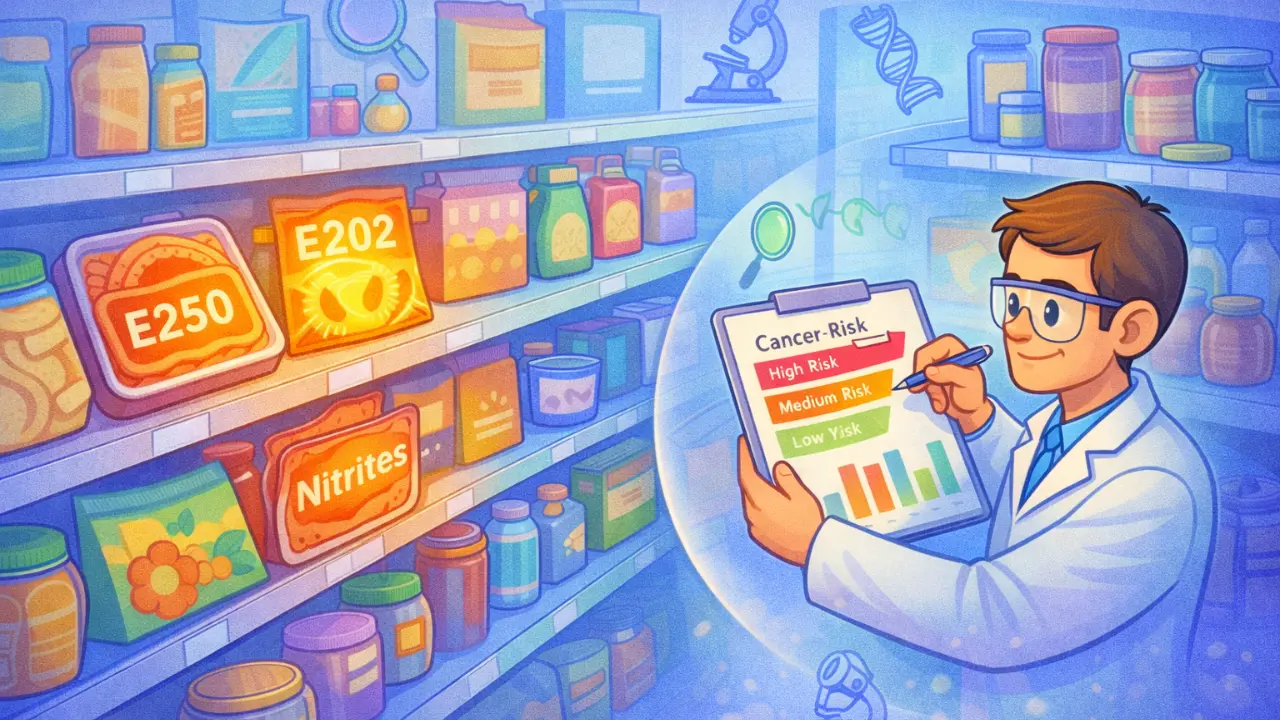
In a sunlit lab in Paris, Anaïs Hasenböhler pores over a mountain of NutriNet-Santé records and realizes the data whisper a counterintuitive truth.
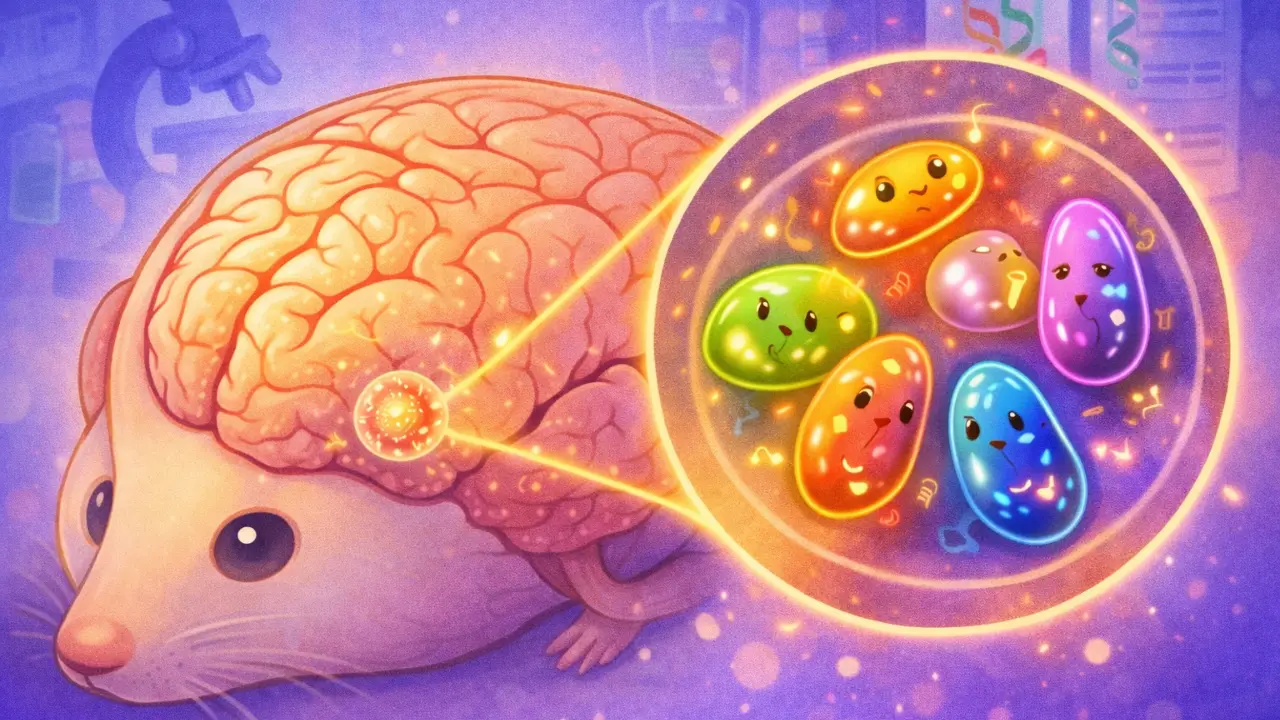
In a dim UC Riverside lab, Emma H. Wilson steadies the microscope as a chorus of single cells lights up the screen, and she realizes brain cysts are not sleeping islands but crowded hubs with at least five bradyzoite subtypes waiting to wake.

In a sunlit University of Michigan lab, a fruit-fly neuron flickers to life as a tweak in sugar processing sparks a protective surge—yet keep it erratic long enough, and that same cell tips toward degeneration.

Amid the humming magnet in a sunlit Chicago lab, six platforms glow on a shared map, signaling that quantum hardware has crossed its transistor moment—not tomorrow, but now, with functional systems that promise early use yet demand patient scaling.

Morning coffee still fogs his thoughts as Robert Salomon leans over a glowing vial in the Case Western Reserve lab and realizes the asthma villains scientists chased for decades may be the wrong culprits—the pseudo-leukotrienes could be the real drivers.
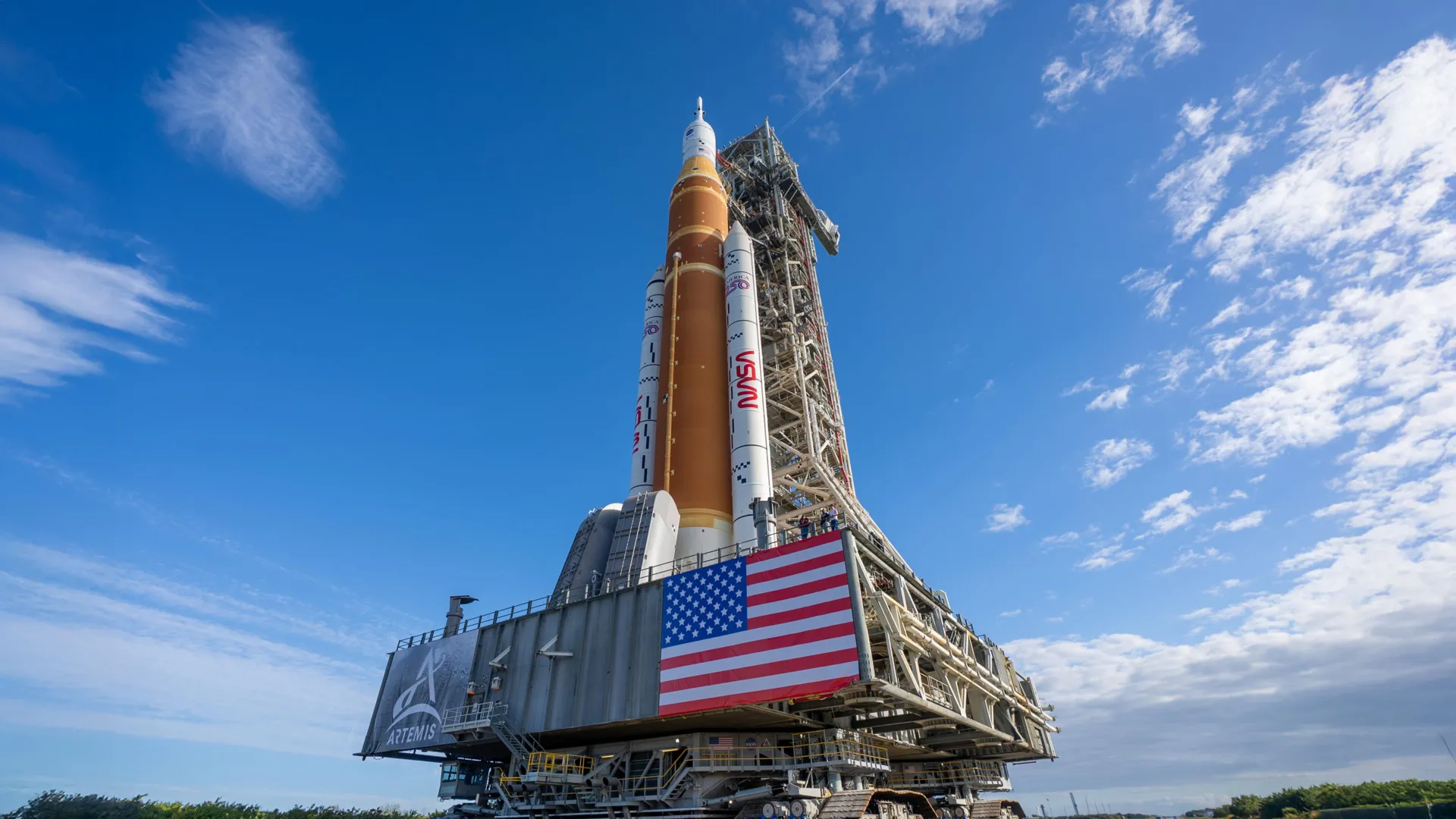
Under Kennedy Space Center floodlights, the Artemis II Orion rumbles to life, its four astronauts bracing for a ten-day lunar flyby that could redraw NASA’s future.

In the Chilean night, the Sun-like star J0705+0612 dimmed for nine months as a colossal cloud of gas and dust drifted in front of it, likely bound to a hidden companion.