The Funhouse Project Shark Tank Update: Did the Venue Ever Open?
The Funhouse Project promised a Times Square attraction. Explore its Shark Tank pitch and why the evidence points to an unlaunched venue.
A memorable stage act can hold an audience for a few minutes. Turning that experience into a permanent entertainment venue is a much larger undertaking.
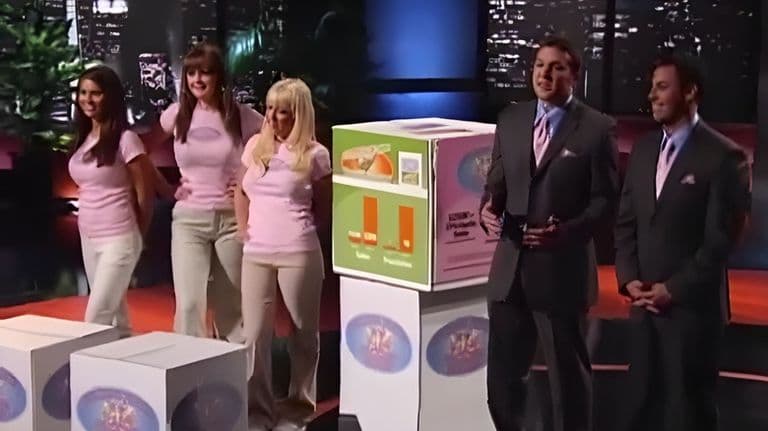
Todd Robbins and David Adamovich brought both sides of that challenge to Shark Tank. Their Funhouse Project proposed a place in New York's Times Square where visitors could see a mix of live variety entertainment. The pitch included performance, but the investment was for a venue and the operation behind it.
The Sharks declined. Later coverage reports that the proposed attraction never launched, and this research did not locate a completed venue connected to the pitch.
That makes the wording of the update important. The evidence describes an unlaunched proposal, not a documented attraction that opened, sold tickets for years and then shut down. It also does not support an invented closing date or a precise loss figure.
Here is what can be established about the idea and its outcome. The project sits alongside the season's other businesses in our Shark Tank USA Season 1 guide.
Quick answer: Todd Robbins and David Adamovich asked for $300,000 for 20% of The Funhouse Project in Season 1, Episode 7. Their proposal was a live-entertainment venue in Times Square, and they left without a deal. Follow-up sources report that the venue never launched; no completed location was verified in this research. The founders' separate performance careers should not be confused with the proposed business. The $1.5 million figure implied by their request was an asking valuation, not verified revenue or personal wealth. Current status: reported unlaunched; no operating Funhouse Project venue confirmed.
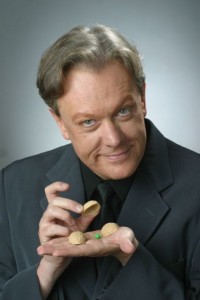
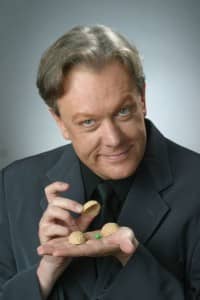
Todd Robbins, cofounder of The Funhouse Project. Photo via Gazette Review.
What was The Funhouse Project?
The proposal combined different forms of live entertainment in a permanent attraction. Robbins and Adamovich wanted to bring variety performers together in a Times Square venue.
The historical product profile describes a planned 25,000-square-foot space featuring acts such as magic, juggling and knife throwing.
The central distinction is between the performers' existing skills and the proposed venue. They could demonstrate an act in the Tank without having already built the attraction they wanted investors to fund.
| Part of the proposal | What it represented |
|---|---|
| Live performers | The entertainment visitors would experience |
| Permanent location | A place to bring the acts together |
| Times Square setting | The proposed market for the attraction |
| Admission model | A way to turn attendance into revenue |
| Venue operation | The continuing work behind the performances |
The pitch was therefore for an entertainment business with property and operating requirements, rather than an individual magic trick.
What happened during the pitch?
The founders asked for $300,000 for 20% equity. They did not receive a Shark investment.
The Gazette Review pitch account describes a knife-throwing demonstration involving Daymond John. The performance attracted attention, but the business questions centered on the money required to create and run the venue.
| Pitch detail | Summary |
|---|---|
| Founders | Todd Robbins and David Adamovich |
| Proposed business | Live-entertainment attraction |
| Intended location | Times Square, New York |
| Appearance | Season 1, Episode 7 |
| Investment requested | $300,000 |
| Equity offered | 20% |
| Implied asking valuation | $1.5 million |
| Result | No deal |
The implied valuation comes from dividing the requested investment by the offered share. It is not evidence that an operating attraction was worth that amount.
It also should not be confused with a construction estimate. Even when numbers happen to match, a valuation and a startup budget answer different questions.
Why was the venue model difficult to assess?
A performance demonstration shows what an audience might enjoy. It does not show how many people will pay for tickets every day or whether those sales will cover a venue's costs.
For a permanent attraction, the commercial questions include attendance, scheduling, staffing and the expense of maintaining the space. Those are relevant analytical questions, not independently verified explanations for every later decision by the founders.
| Business question | Why it matters |
|---|---|
| How many visitors become ticket buyers? | Foot traffic is not the same as paid attendance |
| What does each customer spend? | Attendance alone does not determine revenue |
| What does the venue cost to run? | A popular show can still have high expenses |
| How much funding is needed before opening? | Startup capital and operating income arrive at different times |
| Can the experience be delivered consistently? | A venue needs repeatable operations as well as talent |
This is different from a small accessory such as Grill Charms, which appeared in the same episode. The investment requirements and paths to a sale were fundamentally different.
What happened after Shark Tank?
Latest update — November 2026: Follow-up reporting describes The Funhouse Project as never launched. No primary opening announcement, operating location or current ticketing service for the proposed attraction was verified.
The available follow-up sources are mostly secondary. Shark Tank Tales reports that the venue did not launch after the founders left without investment.
That supports a cautious summary of an unrealized project. It does not establish a precise cancellation date, a complete fundraising history or the value of any assets associated with the proposal.
The older Gazette Review account likewise could not identify an operating Funhouse venue. Its uncertainty is worth preserving rather than transforming into an exact story about when and why a company closed.
This research also did not verify claims of a successful crowdfunding campaign tied to the proposed attraction. Without a campaign page or another dependable record, such a claim should not be included in its history.
The founders' individual careers are a separate matter. Todd Robbins' official biography describes his work in magic, sideshow entertainment and theater. Those credits establish a performance background; they do not prove that The Funhouse Project opened.
For the same reason, finding a show involving either founder is not enough to identify it as a revival or rebrand of the Shark Tank proposal. A direct connection would need to be documented.
The careful conclusion is narrower than many online summaries: the planned venue is reported not to have launched, and an operating location was not found. Claims about lifetime revenue, investor losses or a later acquisition remain unsupported.
The distinction also matters for Ionic Ear, another Season 1 concept whose proposed product was not verified as commercially launched. An unrealized proposal should not acquire an invented operating history.
Can you visit The Funhouse Project today?
No operating attraction connected to this proposal was verified.
“Funhouse” is a common entertainment name. Another attraction, event or venue using it should not automatically be connected to Robbins and Adamovich's pitch.
Likewise, a ticket for an individual founder's performance would be a ticket to that performance, not proof that the original Times Square concept became a reality.
What can founders learn from the pitch?
The Funhouse Project illustrates the difference between demonstrating the experience and demonstrating the business.
A strong act can show talent and audience appeal. A venue proposal also needs a credible path through funding, opening and ongoing operations.
The public record does not establish that a smaller version would necessarily have succeeded or that the idea could never work. It shows that the proposed investment did not happen and that the planned attraction was not verified as launched.
The Funhouse Project FAQs
Who pitched The Funhouse Project?
Todd Robbins and David Adamovich presented the concept.
What did they ask for?
They requested $300,000 for 20% equity.
Did any Shark invest?
No. The pitch ended without a deal.
Was the proposed venue built?
Follow-up sources report it never launched, and no completed location was verified.
When did it close?
There is no dependable closure date for an operating venue because an opening itself was not established.
What was the project's net worth?
The request implied a $1.5 million valuation. It does not support a current valuation or a personal net-worth figure.
Are the founders' other performances part of the same business?
Not necessarily. A documented link is needed before calling another show a continuation of The Funhouse Project.
The weekly question
From obsession to clarity — one original question every week.
We answer one noisy topic at a time, in full. No daily roundup, no thread bait — just the question, the principles, and the system.