Grill Charms Shark Tank Update: How Leslie Haywood Licensed Her Idea
Grill Charms landed Robert Herjavec's investment, then a Fox Run license. See the confirmed terms, founder interview and later catalog evidence.
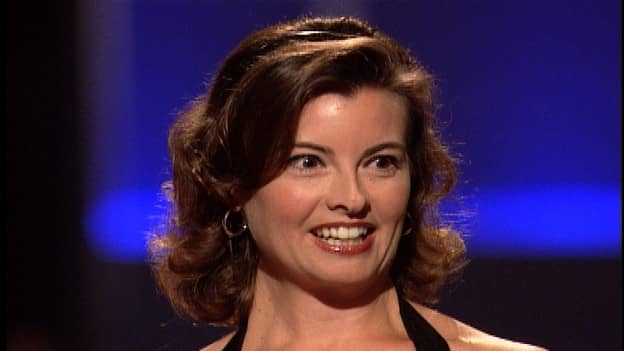
Several pieces of meat can look almost identical on a crowded grill. One belongs to a guest who wants a particular seasoning; another is meant to be cooked differently. Leslie Haywood's Grill Charms offered a simple way to keep track.
The small metal markers went into food before cooking so the person at the grill could identify different portions. It was a focused kitchen accessory with a problem that could be explained in seconds.
Haywood brought the invention to Shark Tank Season 1 and accepted Robert Herjavec's investment. The later story moved beyond selling the product herself: she entered a licensing agreement with Fox Run Brands.
That change is the key to understanding Grill Charms after the show. Licensing a product is different from closing it, and a historical royalty agreement is different from verified royalty income today.
This update follows the documented investment, the licensing announcement and later manufacturer catalogs. For the wider season, see our Shark Tank USA Season 1 guide.
Quick answer: Leslie Haywood secured $50,000 for 25% of Grill Charms from Robert Herjavec, according to her company's October 2009 announcement. She later licensed the product to Fox Run Brands, with the agreement announced in November 2012 and a rollout planned for spring 2013. In a direct interview, Haywood confirmed Robert had exited. A Fox Run catalog still listed Grill Charms in 2018. Current manufacturing, retail stock and royalty payments were not verified. Current status: historically licensed to Fox Run's OUTSET line; present availability is unconfirmed.
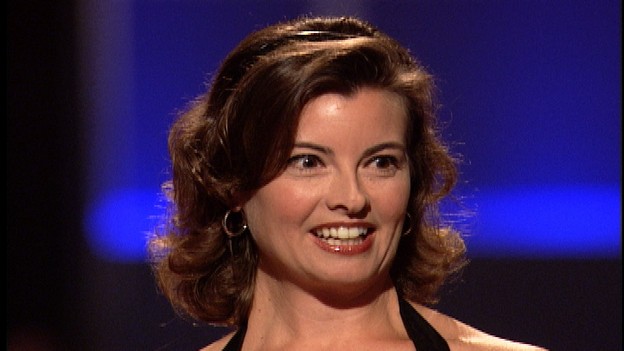
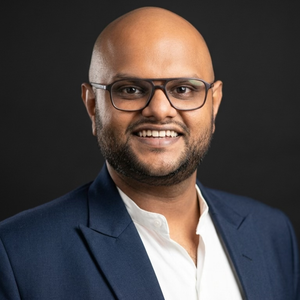
Leslie Haywood, inventor of Grill Charms. Image: Shark Tank, via Shark Tank Blog.
What are Grill Charms?
Grill Charms are small metal identifiers placed in food before grilling. Different markings help the cook distinguish portions after they move around the cooking surface.
The company's 2009 announcement describes the original charms as solid stainless steel. Later Fox Run catalog versions are described as chromed zinc, so material specifications should be tied to the particular product version.
| Use | What a marker helps identify | Important distinction |
|---|---|---|
| Different seasonings | Which portion has a particular flavor | The marker identifies; it does not alter ingredients |
| Guest preferences | Which portion belongs to which person | A shared system still needs to be explained |
| Cooking preferences | Portions intended for different levels of doneness | The marker is not a thermometer |
| Food separation | A visual reminder of a designated portion | It does not prevent cross-contact |
The product's appeal was organizational. A clear label can reduce confusion, but it should not be described as a substitute for food-safety procedures.
For another cooking-related Season 1 story, Pork Barrel BBQ built a brand around products used to season food rather than identify it.
What deal did Grill Charms make on Shark Tank?
Haywood sought $50,000 for 25% equity and accepted an offer from Robert Herjavec on those terms.
The company's October 7, 2009 press release is especially useful because it identifies the accepted ownership percentage directly. Some summaries give 20%, but the company's own account says 25%.
| Pitch detail | Confirmed account |
|---|---|
| Founder | Leslie Haywood |
| Company | Grill Charms / Charmed Life Products |
| Appearance | Season 1, Episode 7 |
| Investment | $50,000 |
| Equity | 25% |
| Shark | Robert Herjavec |
| Implied deal valuation | $200,000 |
The release describes competing interest before Haywood chose Robert. It supports a real investment relationship rather than merely an uncompleted television offer.
The $200,000 figure is the valuation implied by those terms. It is not a current valuation, a licensing price or Haywood's personal net worth.
How did the licensing model change the business?
Initially, the company behind Grill Charms had to arrange the work of producing and selling the accessory. A licensing partner could take responsibility for manufacturing and distribution under an agreed arrangement.
The November 2012 licensing announcement identifies Fox Run Brands as the partner and describes the agreement as exclusive.
| Business responsibility | Earlier product business | Licensing arrangement described |
|---|---|---|
| Product concept | Haywood's invention | Existing invention licensed |
| Manufacturing | Arranged through the original business | Fox Run to manufacture |
| Distribution | Original business and its channels | Fox Run to distribute |
| Founder compensation | Product-business economics | Royalty arrangement described in interview |
| Operating role | More direct involvement | Ability to step back from daily operations |
This table describes the change in structure. It does not disclose the private contract or calculate its financial value.
For a small inventor-led business, that distinction can be significant. Continuing to sell a useful product does not always require the inventor to manage every shipment and supplier personally.
What happened after Shark Tank?
Latest update — November 2026: The Fox Run licensing agreement and later catalog presence are documented. Current production and royalties have not been independently confirmed, so historical licensing should not be presented as a verified current income stream.
The clearest post-show development is the licensing transition.
The November 2012 announcement said Fox Run would begin shipping Grill Charms in spring 2013. This places the documented agreement earlier than claims that licensing first happened in 2016.
In a February 2013 interview with Leslie Haywood, she explained that Fox Run approached her after seeing the product's television exposure. She described the move into its OUTSET brand and a royalty-based arrangement.
Haywood also explained that stepping back suited her own definition of success. The interview presents licensing as a chosen business direction, not simply as evidence of failure.
On Robert's involvement, she confirmed he had received his exit. That means it would be misleading to automatically describe him as a current owner based only on the original pitch.
There is evidence beyond the announcement. Fox Run's 2018 OUTSET catalog lists a Steak Collection Grill Charms set under item number GC105. The catalog describes six chromed-zinc markers in a window box.
That manufacturer listing documents the product in the range several years after the licensing transition. It is stronger evidence of follow-through than an announcement alone, while still being historical.
| Date or period | Evidence | What it establishes |
|---|---|---|
| 2009 | Company investment announcement | Robert's $50,000-for-25% agreement |
| November 2012 | Licensing release | Exclusive arrangement with Fox Run announced |
| February 2013 | Founder interview | Licensing rationale and Robert's exit |
| 2018 | Manufacturer catalog | Grill Charms remained listed in OUTSET's range |
| Current research | No verified production or royalty record | Present availability and earnings remain unconfirmed |
The sources do not justify an $18 million company valuation or a specific annual revenue claim. They also do not establish that a historical promise of ongoing royalties translates into payments in every later year.
A licensing contract can depend on product sales and other terms. Without current records, projecting its income would be speculation.
The difference between ownership and licensing also appears in Ava the Elephant's later history. In each case, the exact transaction matters more than a broad claim that a business was simply sold or shut down.
Can you buy Grill Charms today?
A current, dependable purchasing route was not verified in this update.
Old listings and manufacturer catalogs can remain online after products change or leave a range. They are useful for identifying historical models, but they do not establish present stock.
If a seller offers Grill Charms, check the manufacturer, product identifier and materials for that particular set. Generic grill markers or similarly named pins should not automatically be presented as the original licensed product.
This article did not place an order or test the accessory.
What can founders learn from Grill Charms?
Grill Charms illustrates an outcome that is easy to overlook in television business stories: the founder can continue benefiting from an invention while changing how much of the operation she manages.
The documented path includes an investor relationship, a licensing partner and a later catalog presence. Those are more useful milestones than an unsupported net-worth estimate.
It also shows why success should be described in terms the founder actually discussed. Haywood's interview emphasized her preferred working life and the value of a licensing arrangement, not only the ambition to build a larger company.
Grill Charms FAQs
Who invented Grill Charms?
Leslie Haywood created the food-identification markers.
What deal did she make?
The company's announcement states $50,000 for 25% with Robert Herjavec.
Was the equity percentage 20% or 25%?
The contemporaneous company release supports 25%.
What happened to Robert's investment?
Haywood said in her 2013 interview that he had exited. The reviewed sources do not disclose the financial terms of that exit.
When did Fox Run become involved?
The licensing agreement was announced in November 2012, with shipping planned for spring 2013.
Are Grill Charms still being manufactured?
A 2018 manufacturer catalog lists them, but current production was not verified.
Is Leslie Haywood still receiving royalties?
She described a royalty arrangement in 2013. Current payments have not been independently established.
The weekly question
From obsession to clarity — one original question every week.
We answer one noisy topic at a time, in full. No daily roundup, no thread bait — just the question, the principles, and the system.