Crooked Jaw Shark Tank Update: What Happened to the Brand?
Craig French’s Crooked Jaw left Shark Tank without a deal. Here’s the verified pitch history, later evidence and what remains unknown.

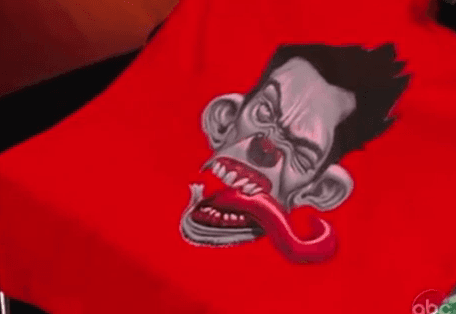
A clothing brand needs to give people a reason to wear its name. Craig French built Crooked Jaw around an audience he understood: sports fans drawn to determination, action and overcoming setbacks.
The idea reached Shark Tank, but the investment question was harder than whether the clothes looked good. Could a small label demonstrate enough demand to become a larger business?
French left without a deal. Later specialist reporting describes Crooked Jaw as closed, although a primary statement confirming a precise closure date was not established in this review. There is also no reliable current valuation to attach to the brand.
That makes this a story about the distance between a brand identity and a durable commercial operation. The useful evidence concerns the product, the pitch, documented activity after the episode and the limits of what can be said today. It does not support turning the original asking price into either the company’s current value or French’s personal wealth.
Crooked Jaw after Shark Tank: Quick Answer. Craig French requested $200,000 for 20% of his sportswear brand in Season 1, Episode 2 and did not receive an investment. The implied asking valuation was $1 million, but no transaction established that price. Current status: Shark Tank Blog reports that the business closed. A primary closure statement, legal dissolution date and authenticated current relaunch were not established in the research reviewed here. A dated 2010 post provides evidence that the clothing still circulated after the episode. The record supports a no-deal pitch and later reported closure, without a speculative net-worth figure.
Product snapshot
| Detail | Information |
|---|---|
| Brand | Crooked Jaw |
| Founder | Craig French |
| Products | Sports-inspired clothing |
| Audience | MMA and action-sports fans |
| Appearance | Season 1, Episode 2 |
| Later status | Reported closed; precise date not independently confirmed |
| Verified current shop | Not established |
Our Shark Tank USA Season 1 guide places the brand within the season’s full episode directory.
What was Crooked Jaw?
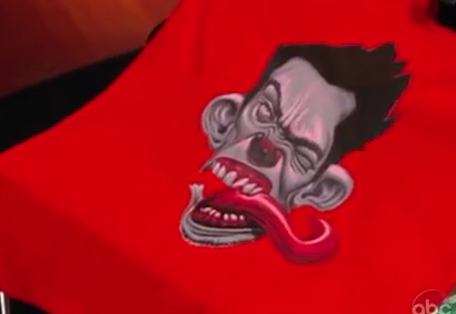
Shark Tank / ABC, via Gazette Review
Crooked Jaw was a clothing label aimed at sports enthusiasts, including mixed-martial-arts fans. It used its name and designs to express a theme of perseverance.
A historical product profile describes online sales and independent shops on Long Island as early routes to customers.
That is a recognizable apparel model: create a distinct identity, put it on clothing, and persuade a community to adopt it. The difficult part is proving that customers want the label often enough to support repeated production.
An attractive design and a commercially durable brand are not the same thing. Distribution, repeat purchases and stock management all affect whether the business can grow.
Who founded Crooked Jaw?
Craig French created the label. Accounts of the pitch connect its name to a broken jaw he suffered playing college lacrosse.
The injury supplied an origin story, but the business still needed demand beyond the founder’s own experience. That is the important distinction between a meaningful name and a market.
A direct contemporary connection appears in soccer player Chris Wingert’s March 2010 post. Wingert identified French as a friend from home and described receiving Crooked Jaw apparel for teammates.
That supports a specific claim: French’s clothing was still being shared and discussed after the television appearance. It does not establish a paid endorsement, a sponsorship contract or revenue from those items.
What happened on Shark Tank?
French asked for $200,000 for 20% and left without a deal. Shark Tank Blog’s account describes investor concerns about sales and market traction.
Deal snapshot
| Item | Result |
|---|---|
| Investment requested | $200,000 |
| Equity offered | 20% |
| Implied asking valuation | $1 million |
| Accepted offer | None |
| Shark investor | None |
| Closing of a Shark agreement | Not applicable |
The proposed valuation is arithmetic: $200,000 divided by 20%. It should not be labeled a verified 2016 valuation or the founder’s current net worth.
A contemporaneous report on the episode also describes Daymond John passing because the brand had not established a following.
The investment challenge was therefore commercial, not simply aesthetic. A prospective investor needed a reason to believe that demand could support a larger operation.
How did the business model work?
Crooked Jaw sought to earn money from clothing sales, through direct and retail channels. The reviewed evidence does not establish enough financial detail to calculate margins or a sustainable sales rate.
Business model snapshot
| Component | Role in the model | What investors would need to assess |
|---|---|---|
| Brand identity | Appeal to a sports community | Whether the identity creates purchase demand |
| Direct sales | Reach buyers without a retail intermediary | Acquisition cost and conversion into orders |
| Independent retail | Place products in front of shoppers | Reorders and sales through stores |
| Apparel inventory | Supply designs in appropriate sizes | Cash tied up in unsold stock |
| Promotion | Introduce the brand to potential buyers | Whether attention produces profitable demand |
The final column is analysis, rather than a statement that each factor caused Crooked Jaw’s reported closure.
Apparel is particularly sensitive to the difference between producing stock and selling it. A company can have attractive products and still need evidence about which designs and sizes customers will buy.
Website visits are similarly incomplete. Even a large audience would not establish order volume, returns, margins or repeat buying. This article does not repeat an unverified traffic count as proof of business success.
What happened after Shark Tank?
Latest update — November 17, 2026: Specialist reporting describes Crooked Jaw as closed. A current official sales channel, confirmed relaunch and primary closure date were not established. The reviewed record does not support a current revenue or valuation estimate.
The 2010 Wingert post is a useful dated sign of post-show activity. It prevents the story from being compressed into an immediate disappearance after rejection.
Later reporting describes the brand’s closure. That outcome should remain attributed because this review did not locate the founder’s closure announcement or a corporate filing establishing the exact date.
Current-status evidence audit
| Evidence | What it supports | What remains unknown |
|---|---|---|
| Original pitch reporting | The funding request and no-deal outcome | Any later private funding |
| Historical product profile | Early products and distribution routes | Current availability |
| Wingert’s 2010 post | Apparel circulating after the show | Sales generated by that exposure |
| Specialist follow-up | A reported closure | Exact date and legal status |
| Current review | No authenticated relaunch established | Whether any similarly named shop is connected |
A matching shop name is not sufficient proof of a revival. The link to French and the original business needs to be established before a new storefront is presented as the same brand.
Can you buy Crooked Jaw clothing today?
A reliable current purchasing route for the original Shark Tank brand was not established.
An old product photograph, resale item or similarly named shop would not prove resumed production. Readers should distinguish secondhand merchandise from an active original manufacturer.
For another Season 1 clothing-related venture, Throx provides a different product proposition: socks sold in sets of three. It should be assessed on its own evidence, not used to infer Crooked Jaw’s outcome.
Lessons from the Crooked Jaw pitch
A story needs customer validation. A personal origin can make a brand memorable. Purchase behavior shows whether that story supports a business.
Distribution should be measured by results. Getting products in front of people is a step. Reorders and profitable sales are more informative about durability.
Separate attention from income. Media exposure, gifted apparel and website traffic answer different questions from financial performance.
Avoid hindsight certainty. A reported closure does not prove that every investor objection caused the outcome. Without fuller records, a precise causal account would be speculation.
The distinction between branding and a validated new business also appears in College Foxes Packing Boxes. A memorable identity can open a conversation while leaving the commercial case unresolved.
Frequently asked questions
Who founded Crooked Jaw?
Craig French.
Did Crooked Jaw receive a Shark investment?
No. French left without a deal.
What did he ask for?
$200,000 for 20%, implying a $1 million asking valuation.
Did Crooked Jaw appear in 2008?
No. Its US Shark Tank appearance was in Season 1 in 2009.
Is Crooked Jaw still operating?
Specialist reporting describes it as closed. An authenticated current operation or relaunch was not established.
Did the company file for bankruptcy?
A verified bankruptcy filing was not established, so this article does not make that claim.
Crooked Jaw’s case is about proving demand for a brand. The documented pitch and later evidence are useful enough without assigning an unsupported personal fortune or a definitive explanation for every subsequent event.
The weekly question
From obsession to clarity — one original question every week.
We answer one noisy topic at a time, in full. No daily roundup, no thread bait — just the question, the principles, and the system.