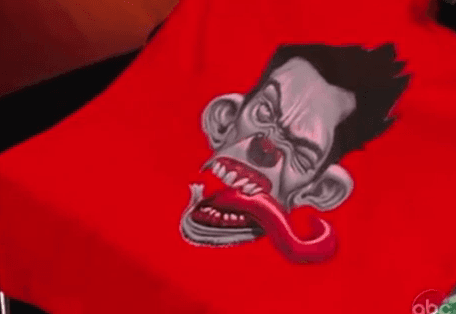
College Foxes Packing Boxes Shark Tank Update: Why No Deal?
College Foxes Packing Boxes left Shark Tank without a deal. Discover why its story must be kept separate from College Hunks’ later growth.


Packing a home takes time before the moving truck ever arrives. Nick Friedman and Omar Soliman saw room for a packing and organizing service alongside the junk-removal business they already knew.
They brought that proposed sister brand, College Foxes Packing Boxes, to Shark Tank’s first US episode. The conversation quickly became a question of boundaries: were investors being offered the new concept, or a share of the founders’ existing College Hunks business?
That distinction is the key to understanding what happened afterward. College Foxes was abandoned, according to later founder comments reported by Looper. College Hunks continued. The success of the latter should not be copied into an update about the former.
The pitch remains useful for founders considering a second brand. Experience from an established business may help a new venture, but it does not automatically give an investor ownership of the existing operation. This case file separates the two businesses and examines why the scope of the investment mattered.
College Foxes Packing Boxes after Shark Tank: Quick Answer. Nick Friedman and Omar Soliman requested $250,000 for 25% of College Foxes in Season 1, Episode 1. They left without a deal after discussions expanded to include equity in College Hunks. Current status: Later reporting describes College Foxes as an abandoned concept. College Hunks remains a separate operating service business with an official booking website. Its locations, sales and staffing must not be attributed to College Foxes. No reliable current valuation, employee count or franchise network was established for the Foxes venture.
Product snapshot
| Detail | Information |
|---|---|
| Venture | College Foxes Packing Boxes |
| Founders | Nick Friedman and Omar Soliman |
| Proposed service | Packing and organizing |
| Industry | Home and moving services |
| Appearance | Season 1, Episode 1 |
| Relationship to College Hunks | Proposed sister brand, not the same business |
| Outcome | Abandoned concept, according to later reporting |
See the other premiere pitches in our Shark Tank USA Season 1 guide.
What was College Foxes Packing Boxes?

Shark Tank / ABC, via Looper
College Foxes was pitched as a female-staffed counterpart to College Hunks. It proposed helping customers pack and organize as part of the moving process.
A service brand needs more than a memorable name. Customers are hiring people to enter their homes and handle possessions. Reliability, scheduling, care and clear pricing form part of the value they are buying.
The idea was adjacent to the founders’ existing work, but it was still a separate proposition. Experience in junk removal could inform operations without proving demand for this particular brand.
That is why the service should be described as a proposed sister venture. A later College Hunks packing service does not, by itself, show that College Foxes launched or survived under another name.
Who were the founders?
Nick Friedman and Omar Soliman were already building College Hunks before their Shark Tank appearance.
Friedman’s official biography traces the original business to a summer hauling operation with an old van. It then describes a business-plan competition and the development of a franchise operation.
Those milestones belong to College Hunks. They establish relevant experience for the two entrepreneurs, not a revenue history for College Foxes.
For an investor, that background can cut both ways. Experienced operators may be better prepared to execute, but the investor still needs to know which assets, systems and commercial rights are included in the proposed transaction.
What happened on Shark Tank?
The founders sought $250,000 for 25% of College Foxes. Negotiations involved potential ownership in College Hunks, and no agreement was reached.
Looper’s retrospective describes the disagreement over including the existing business. The founders were unwilling to accept the proposed terms.
Deal snapshot
| Item | Result |
|---|---|
| Venture originally offered | College Foxes Packing Boxes |
| Investment requested | $250,000 |
| Equity offered | 25% |
| Implied asking valuation | $1 million |
| Central negotiation issue | Whether a deal would also include College Hunks equity |
| Final result | No deal |
The $1 million figure is calculated from the asking terms. It is not current net worth, revenue or an accepted investment price.
This pitch illustrates a question that can otherwise get lost in a negotiation: what exactly is the investor buying? A percentage is not meaningful without a clear definition of the business and rights attached to it.
The same episode included Mr. Tod’s Pie Factory, whose founder accepted an offer on television but later declined to complete it. Both stories make ownership terms central to the outcome.
How was College Foxes supposed to make money?
The proposal was a service business, with customers paying for help packing and organizing. The reviewed evidence does not establish a completed rollout or reliable sales record.
Proposed business model
| Element | Intended role | Evidence still needed |
|---|---|---|
| Customer | People needing packing or organizing help | Demonstrated demand for the specific brand |
| Service | Labor performed at the customer’s property | A repeatable delivery standard |
| Revenue | Customer payments for completed work | Verified prices, job volume and margins |
| Staffing | Teams able to deliver the service | Recruitment, training and operating capacity |
| Related business | Founders’ College Hunks experience | Clear agreements on shared resources and ownership |
The unresolved column identifies commercial questions, not known failures.
Service businesses must match demand with labor availability. A booking only becomes useful revenue when the work can be delivered at a cost that leaves a margin.
Launching a sister brand can also create additional marketing and management work. The founders would need a reason for customers to choose the new identity rather than simply buy another service from the established business.
These are the economics that would need testing. A familiar founding team or catchy name cannot substitute for them.
What happened after Shark Tank?
Latest update — November 17, 2026: College Foxes is described in later reporting as an abandoned venture. The separate College Hunks website currently offers moving, junk removal and packing services. No verified College Foxes booking channel, franchise network or current financial record was established.
Looper links to later founder comments explaining that the Foxes concept was not pursued. The article also discusses the founders’ continuing work on College Hunks.
The current College Hunks website provides direct evidence of that separate business’s service offering. It does not establish that College Foxes owns the locations or generates the sales associated with it.
Brand distinction and evidence audit
| Claim | What the evidence supports |
|---|---|
| College Foxes appeared on Shark Tank | Yes, in the first US episode |
| The founders accepted a Shark investment | No |
| College Foxes developed a large franchise network | Not established; this confuses the two brands |
| College Hunks continues to offer services | Supported by its official site |
| College Foxes has a verified present valuation | No reliable figure established |
| The founders abandoned the Foxes idea | Reported in later coverage citing founder comments |
A precise abandonment date was not established. The evidence supports the outcome without requiring a manufactured closure timeline.
The old claim that College Foxes expanded to more than 150 franchises should not be repeated. It assigns another business’s growth to the venture being profiled.
Can customers book College Foxes today?
No verified College Foxes booking option was established.
Customers looking for the founders’ existing moving and hauling business can consult College Hunks. Its packing-services page explains that offering; availability and pricing depend on the actual service location.
This is a different brand, not a claim that College Foxes has relaunched. Keeping the names separate prevents readers from mistaking a useful alternative for the original venture.
Lessons from the College Foxes pitch
Define the investment before negotiating the percentage. A founder and investor can appear close on money while disagreeing completely about which business is included.
Validate the second brand independently. A successful adjacent business can provide experience and resources. It does not prove that a new identity has customers of its own.
Protect useful distinctions in reporting. Founder wealth, franchise-system sales, company revenue and a new venture’s valuation are different figures. Combining them creates a more dramatic story but a less accurate one.
A discontinued idea is not the whole entrepreneurial career. The founders’ continued work on College Hunks can be acknowledged without rewriting College Foxes as a success.
Another premiere pitch, WiSpots, also requires careful separation of related-business claims. Its primary records clarify a proposed merger that later recaps often misdescribe.
Frequently asked questions
Who pitched College Foxes Packing Boxes?
Nick Friedman and Omar Soliman.
Did College Foxes get a deal?
No. The founders left without an agreement.
Was College Hunks the business originally offered?
The original proposal concerned College Foxes. The potential inclusion of College Hunks became part of the negotiation.
Is College Foxes still operating?
Later reporting describes it as abandoned. A current operating service under that name was not verified.
Did College Foxes grow into hundreds of franchises?
That claim is not supported. It confuses the proposed venture with College Hunks.
What was College Foxes worth?
The pitch implied a $1 million asking valuation. A current valuation or completed investment at that price was not established.
College Foxes is a case study in the boundaries of an investment and the limits of extending a brand. Its founders’ subsequent career can be successful while this particular proposal remains an abandoned idea.
The weekly question
From obsession to clarity — one original question every week.
We answer one noisy topic at a time, in full. No daily roundup, no thread bait — just the question, the principles, and the system.