Element Bars Shark Tank Update: From Custom Snacks to Manufacturing
Element Bars' Shark Tank deal never closed. Discover how Jonathan Miller built a bar-manufacturing business and what recent sources confirm.

A nutrition bar can look perfect until you read the ingredient list and find the one thing you dislike. Jonathan Miller built Element Bars around a simple response: let customers help decide what goes into their bars.
That made the company an easy idea to demonstrate on Shark Tank. The product was familiar, but the ordering experience offered something more personal than picking a flavor from a supermarket shelf. Miller wanted investment to take that idea further.
His accepted offer from Kevin Harrington did not become a completed deal. Element Bars nevertheless continued, and its later development is more interesting than a simple account of television success or rejection.
The business expanded from making customized bars for individual consumers into manufacturing for other brands. Its current website emphasizes that service, while a 2025 Northwestern report provides a dated picture of the company's production activity.
Here is how the pitch, the unclosed investment and that manufacturing shift fit together. You can compare the company with all the others in our Shark Tank USA Season 1 guide.
Quick answer: Jonathan Miller asked for $150,000 for 15% of Element Bars and accepted an on-air offer from Kevin Harrington for $150,000 for 30%, with a reported royalty component. The deal did not close, according to Inc.'s founder follow-up. Element Bars continued and developed a manufacturing business serving other bar brands. Its official site currently promotes formulation, production and packaging services. Northwestern's February 2025 founder-event report also documented substantial production activity. No verified current company valuation or founder net worth was found. Current status: operating, with a focus on bar manufacturing for brands.
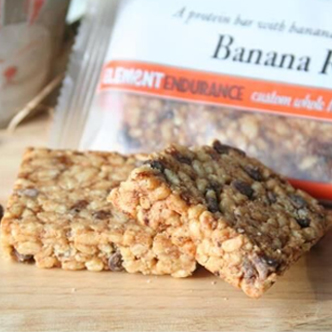
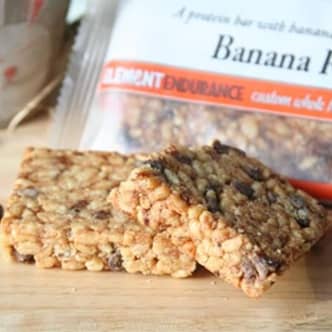
Nutrition bars pictured on Element Bars' official manufacturing website. Photo: Element Bars.
What did Element Bars originally sell?
Element Bars started with customized nutrition bars sold directly to customers. Instead of making everyone accept the same recipe, the concept allowed different ingredient preferences to shape the product.
The company's official history and wholesale page dates its founding to 2008. It describes developing expertise in small-run production before opening that manufacturing capacity to other brands and entrepreneurs.
That sequence matters. The later manufacturing business grew from a capability needed to make the original product: producing bars to a particular specification.
Element Bars should also be distinguished from Granola Gourmet, another Season 1 food pitch. Both involved snack bars, but their products, founders and subsequent business histories were different.
What happened in the Shark Tank negotiation?
Miller appeared in Season 1, Episode 6. He asked for $150,000 in exchange for 15% of Element Bars.
The specialist pitch account describes several rounds of negotiation before Miller accepted Harrington's offer. The agreed equity terms were $150,000 for 30%, and the recap also describes a 4% royalty component.
Because the agreement never closed, this update does not treat that royalty as an operating contract or imply that payments were made under it.
| Deal detail | Original request | Accepted on-air terms |
|---|---|---|
| Investment | $150,000 | $150,000 |
| Equity | 15% | 30% |
| Shark | Seeking a partner | Kevin Harrington |
| Implied valuation | $1 million | $500,000 |
| Other terms | No additional term summarized here | Reported royalty component |
| Final funding outcome | Proposal | Did not close |
The valuation figures are arithmetic based on the proposed investment and ownership percentages. They do not establish Element Bars' current market value or Miller's personal wealth.
A 2017 Inc. interview-based follow-up confirms the important post-show distinction: the Harrington deal never closed.
How did Element Bars change its business model?
The original customer was a person who wanted a bar tailored to personal preferences. The later customer could be an entrepreneur or established brand that wanted someone else to manufacture its product.
That changes the work involved. Selling a consumer brand requires finding individual shoppers. Manufacturing for another brand puts more emphasis on formulation, production consistency, packaging and delivery.
| Business element | Original consumer concept | Later manufacturing focus |
|---|---|---|
| Customer | Individual bar buyer | Brand or entrepreneur |
| Main purchase | Customized bars | Production services and finished bars |
| Key capability | Personalization | Making a repeatable product at the required volume |
| Commercial relationship | Consumer orders | Business-to-business projects and repeat runs |
| Branding | Element Bars' consumer offering | Products made for client brands |
The current official homepage presents recipe development, production and packaging as core capabilities. Its language addresses people building a bar brand rather than promising the same small personal order experience seen in the original pitch.
This helps explain why an older description of the company can be technically historical yet unhelpful to a reader trying to understand it today.
What happened to Element Bars after Shark Tank?
Latest update — November 2026: Element Bars' official website continues to offer bar-manufacturing services. A February 2025 Northwestern report describes the company's shift toward contract manufacturing. The historical Shark investment did not close.
The business benefited from exposure even without receiving the proposed funding. In the 2017 Inc. follow-up, Miller said orders during the first day after the broadcast exceeded those from the preceding six months of that year.
That is a founder-reported comparison of orders, not an audited revenue total. It nevertheless provides a concrete account of what television exposure meant to the company at the time.
The later change in direction is supported by two kinds of evidence: the services Element Bars now markets and a dated account of Miller discussing the business.
In its February 11, 2025 event recap, Northwestern's The Garage reported production of 250,000–350,000 bars per day. The article described Miller's move toward making bars for other brands and connected that choice with his strengths in operations.
That production range belongs to the 2025 report. It should not be converted into annual revenue, assumed to represent every working day or presented as a newly audited 2026 output figure.
The official wholesale page separately describes initial runs starting at 25,000 bars and capacity to grow beyond one million bars per month for customers. Those are the company's advertised capabilities. They describe a different measurement from the dated daily-production report, so this article does not combine them into a new estimate.
| Evidence | What it establishes | What it does not establish |
|---|---|---|
| Inc. founder follow-up | The television deal did not close; exposure brought orders | A current shareholder list |
| Official manufacturing pages | The company markets services to bar brands | Independently audited production or finances |
| Northwestern's 2025 event report | Dated evidence of substantial manufacturing activity | Exact output in November 2026 |
| Original investment terms | Proposed valuations during the pitch | Current net worth |
The manufacturing story is therefore supported without needing a speculative multimillion-dollar valuation. Element Bars has a visible service offering and recent institutional reporting about its founder's work.
There is no basis in the reviewed evidence to describe Harrington as a current investor simply because he shook hands with Miller on television. The distinction is similar to My Therapy Journal, another Season 1 company whose accepted offer was later reported not to have closed.
Can you still buy Element Bars or work with the company?
The clearest current route is the company's manufacturing inquiry service. Its official pages invite brands to discuss their product ideas, recipes and production needs.
Readers who remember the original custom-bar ordering experience should check the current offering before expecting an identical service. A manufacturing inquiry is different from a retail checkout for a small box of bars.
For a potential business customer, useful questions include minimum production quantities, formulation costs, packaging, ingredient requirements and current lead times. The website's published figures are a starting point; the terms for a specific project would need confirmation from the company.
No purchase, production booking or fulfillment test was completed for this update.
What can founders learn from Element Bars?
The most useful lesson is the connection between a product and the capabilities built to deliver it. Making customized bars required production skills that could also serve other businesses.
That does not mean every consumer brand should become a manufacturer. It shows why founders may find a stronger opportunity in a different customer group while still using what they have learned.
Element Bars also demonstrates why the outcome of a pitch should be tracked separately from the company's later development. The accepted investment did not close, but the business continued and changed its focus.
Element Bars FAQs
Who founded Element Bars?
Jonathan Miller founded the company. Its official history dates the business to 2008.
Did Element Bars get a Shark Tank deal?
Miller accepted Kevin Harrington's on-air offer. The investment did not subsequently close, according to Inc.'s follow-up.
How much did Miller originally request?
He asked for $150,000 for 15% equity.
Is Element Bars still operating?
Its official site currently offers manufacturing services, supported by a recent dated account of the founder's business activity.
Does Element Bars make products for other brands?
Yes. Contract manufacturing and support for bar brands are central to its current official offering.
What is Element Bars worth today?
No reliable current valuation was verified. The figures calculated from the original pitch terms should not be presented as today's value.
Does its production volume reveal annual revenue?
No. Unit volume alone does not establish selling prices, margins, operating days or the company's revenue.
The weekly question
From obsession to clarity — one original question every week.
We answer one noisy topic at a time, in full. No daily roundup, no thread bait — just the question, the principles, and the system.