Mr. Tod’s Pie Factory Shark Tank Update: Where Is It Now?
Mr. Tod’s Pie Factory continues with online sales and a Newark café. Here’s why its $460,000 Shark Tank agreement never closed.
Buying a pie for a holiday gathering sounds simple. Building a business that can deliver the same dessert through a café, a grocery partner and a shipping box is more demanding. Each route brings a different customer, cost and reason to buy.
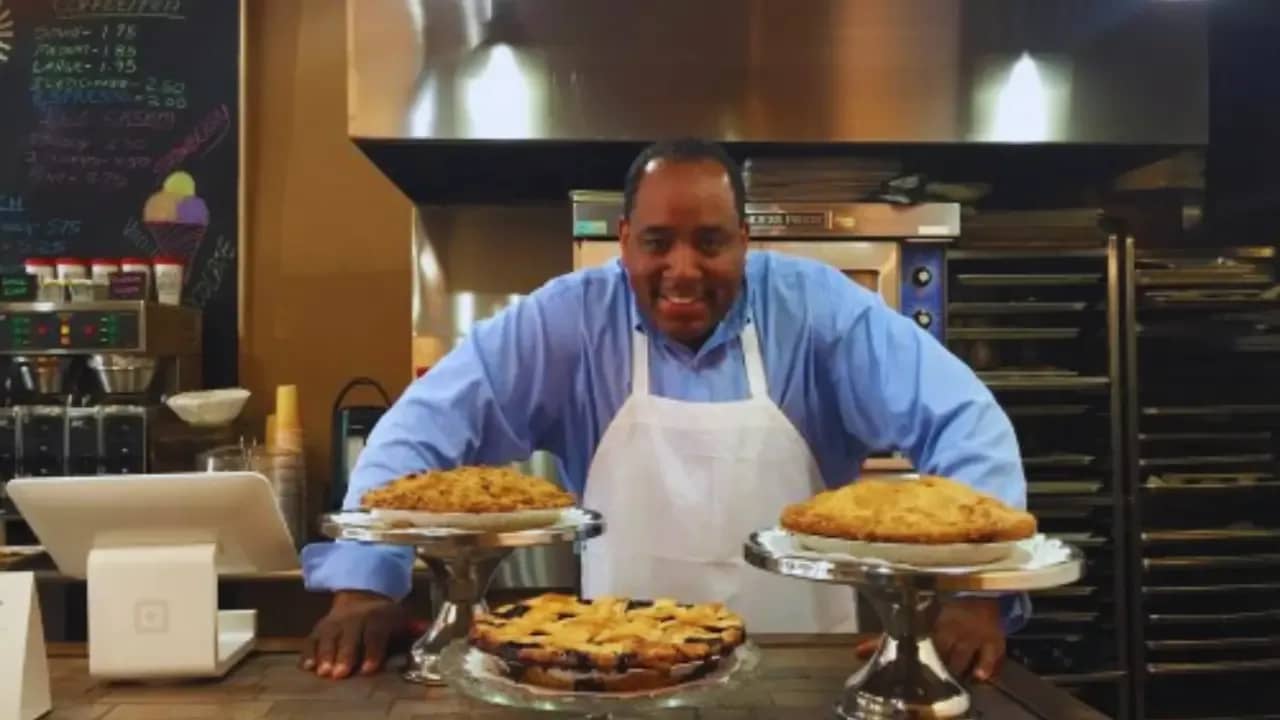
That is the business behind Mr. Tod’s Pie Factory. Founder Tod Wilson built a brand around Southern-style desserts, then became the first entrepreneur to pitch on the US version of Shark Tank. His appearance produced a memorable offer, but the more useful story is what followed: he chose not to complete that investment and continued developing the business.
Today, customers can find an official online store and a Newark café. Those are concrete signs of activity. They do not reveal the company’s profit, annual revenue or current valuation.
This case file separates the television agreement from the investment outcome, examines how the company reaches customers, and explains what the latest evidence actually supports. It also shows why a business can remain active without the Shark partnership viewers remember.
Mr. Tod’s Pie Factory after Shark Tank: Quick Answer Short on time? Tod Wilson asked for $460,000 for 10% in Season 1, Episode 1. He accepted $460,000 for 50% from Barbara Corcoran and Daymond John on television. However, Wilson later told NJBIZ that he withdrew because of the ownership he would have to surrender. No money changed hands. Current status: Mr. Tod’s maintains an online dessert store and lists a café at 201 Halsey Street in Newark. Its café page advertises Thanksgiving 2026 pickup orders. These sources support continuing business activity, but they do not establish a current net-worth figure or audited revenue. The strongest update is that the brand continued beyond an investment agreement that never closed.
Product snapshot
| Detail | Information |
|---|---|
| Company | Mr. Tod’s Pie Factory / Mr. Tod’s Pies |
| Founder | Tod A. Wilson |
| Product | Southern-style pies and other desserts |
| Industry | Bakery and food retail |
| Shark Tank appearance | Season 1, Episode 1 |
| Current status | Official online ordering and Newark café listed |
| Official website | mrtods.com |
The pitch opened the series. Our Shark Tank USA Season 1 guide places it alongside the season’s other 63 businesses.
What is Mr. Tod’s Pie Factory?
Mr. Tod’s sells prepared desserts, with sweet potato pie central to its identity. Its current range extends beyond that signature product into cobblers, cheesecakes and other bakery items.
For a household, the appeal is convenience: a finished dessert without doing the baking. For a retailer or food-service buyer, the proposition is different. The business supplies a branded product that the buyer can offer to its own customers.
These are separate purchasing decisions. A household might order for a gathering or gift. A commercial buyer needs suitable quantities, consistent supply and an arrangement that fits its own operation. That distinction helps explain why Mr. Tod’s maintains several sales channels.
The company should not be described as an online-only operation. Its official café listing provides a physical location as well as local ordering information.
Who founded Mr. Tod’s Pie Factory?
Tod A. Wilson is the founder. His official biography describes a business built through retail, wholesale and direct shipping.
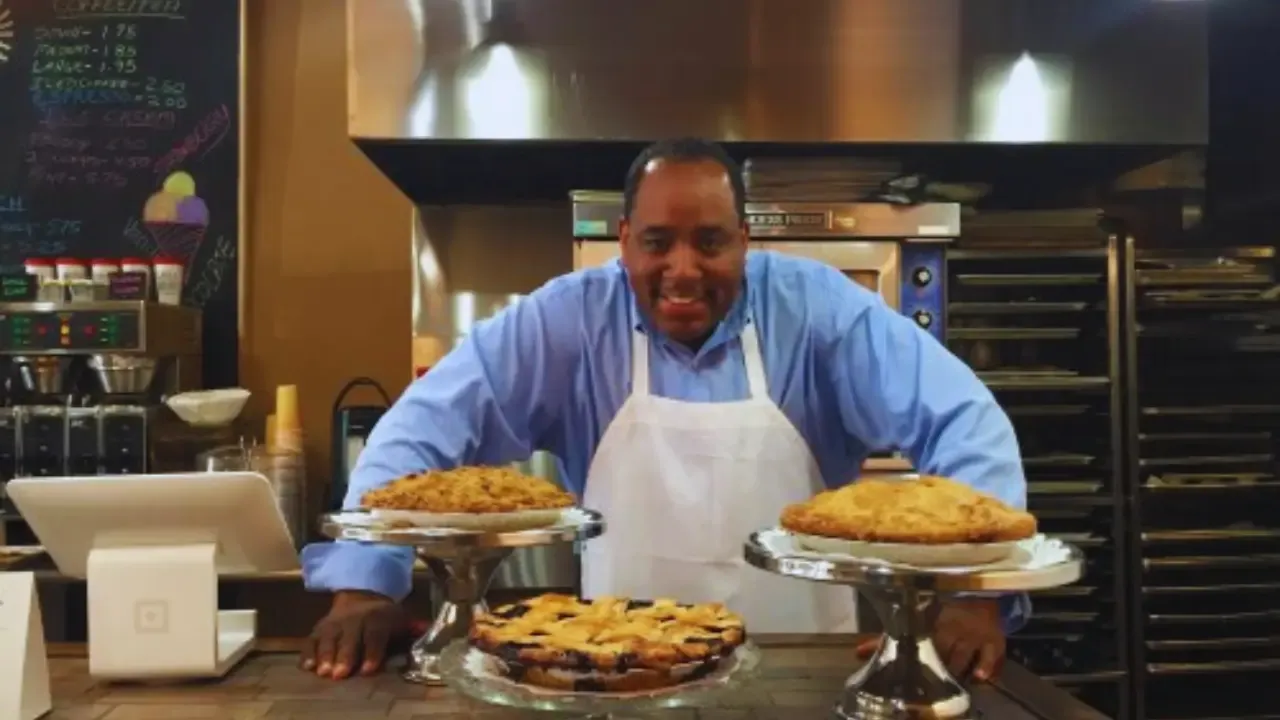
In his June 2025 account of the company’s origins, Wilson traced the idea to whybake.com in the late 1990s. He initially imagined an online destination for desserts, then developed recipes and a brand of his own.
That change matters. Selling other producers’ desserts and building a recognizable bakery brand are different businesses. The latter puts more emphasis on the product, its consistency and the customer’s reason to choose it again.
Wilson’s account describes movement through farmers markets, grocery stores and direct shipping. It is a founder’s retrospective, rather than an independently audited history of sales. It establishes his explanation of the journey without proving how much revenue each channel produced.
What happened on Shark Tank?
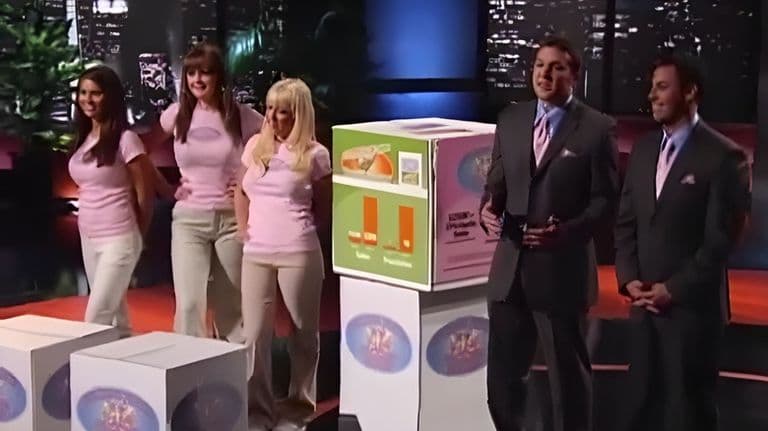
Wilson sought $460,000 for 10% of the business. Barbara Corcoran and Daymond John offered the same amount for 50%, and he accepted on camera.
Deal snapshot: the television terms
| Measure | Original request | Accepted on-air offer |
|---|---|---|
| Investment proposed | $460,000 | $460,000 |
| Equity | 10% | 50% |
| Implied valuation from those terms | $4.6 million | $920,000 |
| Investors | No investor attached to the request | Barbara Corcoran and Daymond John |
These valuations are calculations from the proposed terms. They are not independent appraisals or measures of Wilson’s personal wealth.
The negotiation changed the ownership cost substantially. For the same capital, Wilson would give up five times the equity he initially proposed. That arithmetic helps explain the significance of the agreement without inventing private deliberations or undocumented Shark comments.
The deal later fell apart. In NJBIZ’s April 2014 reporting, Wilson said he withdrew because of the equity involved, and the publication reported that no money changed hands.
The accepted television offer should therefore not be counted as a completed financing round. Nor does the evidence establish that the Sharks bought franchising rights instead.
How does Mr. Tod’s make money?
The business offers desserts through consumer and commercial channels. Its wholesale and distributor information invites retailers, restaurants and distributors to work with the brand.
Business model snapshot
| Customer or channel | What the business offers | Commercial question |
|---|---|---|
| Online shoppers | Desserts ordered directly | Does the order value support packing and delivery costs? |
| Café customers | Local purchases and pickup | Can repeat local demand support the location? |
| Retail and food-service buyers | Wholesale dessert supply | Can pricing and order volume work for both businesses? |
| Distributors | A route to additional outlets | Can distribution expand while preserving product quality? |
The final column is analysis of the model, not a claim about Mr. Tod’s actual margins.
Multiple channels can reduce dependence on a single way of reaching customers. They also create different operating demands. A café serves local traffic; a shipped order must arrive in suitable condition; a wholesale customer needs dependable supply.
The company’s wholesale page specifically seeks distributors with refrigerated trucks. That detail illustrates why expansion involves more than putting a product on a website.
No public figures reviewed here establish the revenue split between these channels. It would be premature to call any one of them the main source of profit.
What happened after Shark Tank?
Latest update — November 17, 2026: Mr. Tod’s official website lists its Newark café, online ordering and wholesale opportunities. The café page includes Thanksgiving 2026 pickup information. Current annual revenue, profitability and company valuation remain unverified.
The business continued after Wilson declined to complete the television agreement. Its later development is documented through his company history and current sales pages.
The clearest recent change is the Newark café. Wilson’s June 2025 post described an upcoming location. The newer Newark café page says the business is serving customers at 201 Halsey Street, on the corner of Branford Place.
This is stronger evidence than a general statement that the brand plans to expand. An announced project and a location presenting current service information represent different stages of progress.
Current-status evidence audit
| Evidence reviewed | What it supports | What it does not establish |
|---|---|---|
| Newark café page with Thanksgiving 2026 information | A current physical retail offering and pickup program | Customer traffic or café profitability |
| Official online product listings | A direct ordering channel | Completed order volume |
| Wholesale and distributor page | Commercial supply opportunities are being offered | Signed contracts or nationwide shelf coverage |
| Founder history and biography | Wilson’s account of the brand’s development | Independently audited revenue |
| NJBIZ interview | The on-air investment did not close | The company’s present ownership structure |
A live store does not prove financial success. Equally, an uncompleted investment does not prove business failure. Mr. Tod’s illustrates why those questions need separate evidence.
Selected company milestones
| Date | Documented milestone |
|---|---|
| Late 1990s | Wilson dates the whybake.com idea to this period in his later account |
| 2009 | Mr. Tod’s appears in the first US Shark Tank episode |
| April 2014 | NJBIZ reports Wilson’s account of the uncompleted investment |
| June 2025 | Wilson’s company post discusses the brand’s history and planned Newark café |
| November 2026 review | The café page lists service information and Thanksgiving pickup orders |
The record supports continuity and changes in distribution. It does not provide enough data to measure how much growth Shark Tank caused.
Where can you buy Mr. Tod’s pies?
Use the official online store for the current selection. The company also lists local service at its Newark café and nationwide shipping.
For a holiday order, check the actual pickup or delivery arrangements before paying. Café pickup, local delivery and a shipped parcel are different services, so the availability of one does not guarantee the others for a particular date.
Commercial customers can use the wholesale page to discuss supply. An invitation to enquire is not a promise that every product, territory or quantity will be available.
What can entrepreneurs learn from Mr. Tod’s?
Price the ownership, not just the cheque. The televised negotiation kept the capital at $460,000 while increasing the equity from 10% to 50%. Founders need to assess the ownership they are surrendering as carefully as the money they would receive.
Follow the deal beyond the episode. The Qubits story offers another Season 1 example of why an accepted offer and completed funding must be examined separately.
Judge each company at its actual stage. Mr. Tod’s had a food business to develop. Fellow premiere pitch Ionic Ear proposed an implantable-device concept. Their investment and customer questions were fundamentally different.
Match claims to evidence. Current ordering pages support a statement that a company is offering products. Profitability requires financial evidence. Keeping those distinctions clear produces a more useful business story than an unsupported net-worth estimate.
Frequently asked questions
Is Mr. Tod’s Pie Factory still in business?
Its current official pages support continuing activity, including an online store and Newark café.
Did Barbara Corcoran and Daymond John invest?
They made an accepted television offer. Wilson later told NJBIZ that he withdrew, and the publication reported that the money was not transferred.
What is Mr. Tod’s Pie Factory worth today?
A reliable current valuation was not established. The $4.6 million asking valuation and $920,000 offer valuation describe proposed 2009 terms.
Where is the café?
The official location page lists 201 Halsey Street in Newark, New Jersey, at Branford Place.
Was Mr. Tod’s the first Shark Tank pitch?
Yes. It opened the first episode of the US series.
Is Tod Wilson’s personal net worth known?
The evidence reviewed here does not establish his personal wealth. Company sales, company valuation and a founder’s net worth are different measures.
Mr. Tod’s remains a useful case study in ownership and distribution. Its current sales channels show a business continuing beyond the televised agreement. The evidence supports that conclusion without requiring a speculative wealth figure.
The weekly question
From obsession to clarity — one original question every week.
We answer one noisy topic at a time, in full. No daily roundup, no thread bait — just the question, the principles, and the system.