


How Animal Footprints Can Reveal the Health of an Entire Ecosystem
Today, in the dust of Telperion Nature Reserve, a tiny footprint could unlock a non-invasive read on ecosystem health—without DNA.... Read more.
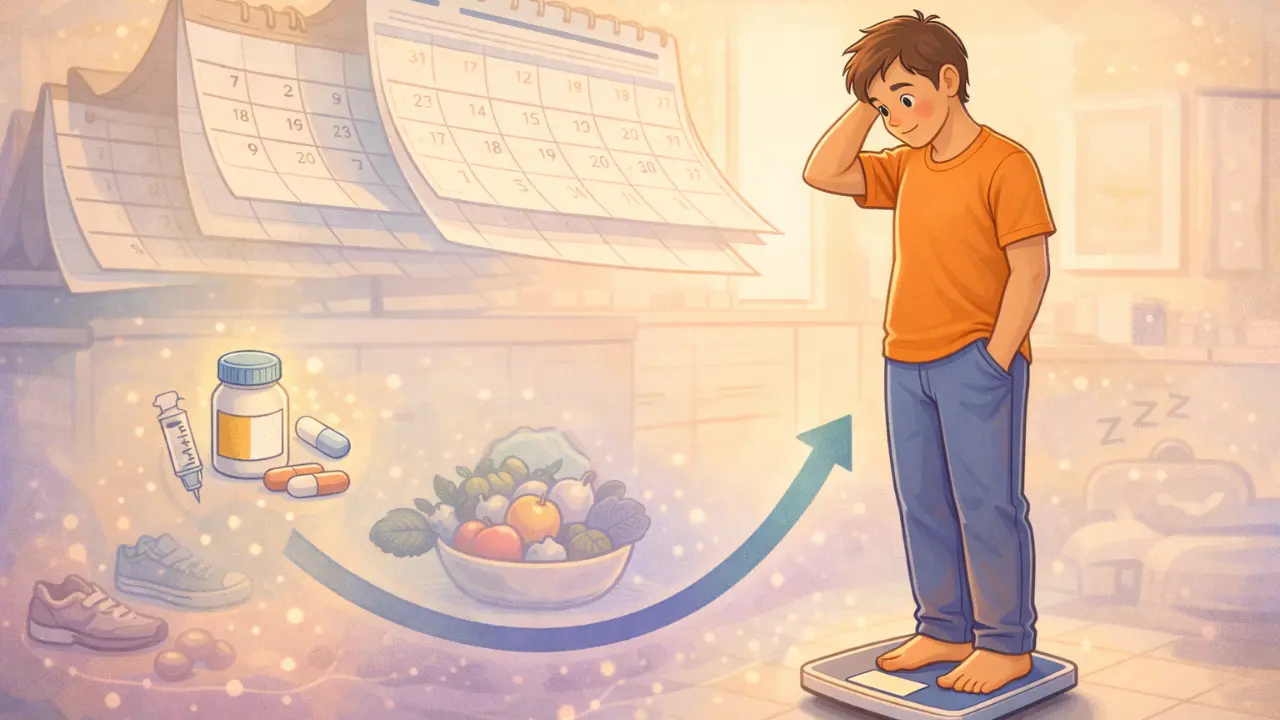
The Ozempic Boom Isn’t a Long-Term Weight Solution: BMJ Meta-Analysis Reveals Weight Rebound After Stopping GLP-1 Drugs
In a dim Oxford seminar room, a glowing chart shows weeks of dramatic weight loss on GLP-1 drugs, only to reveal a stubborn rebound once the pills are stopped.... Read more.
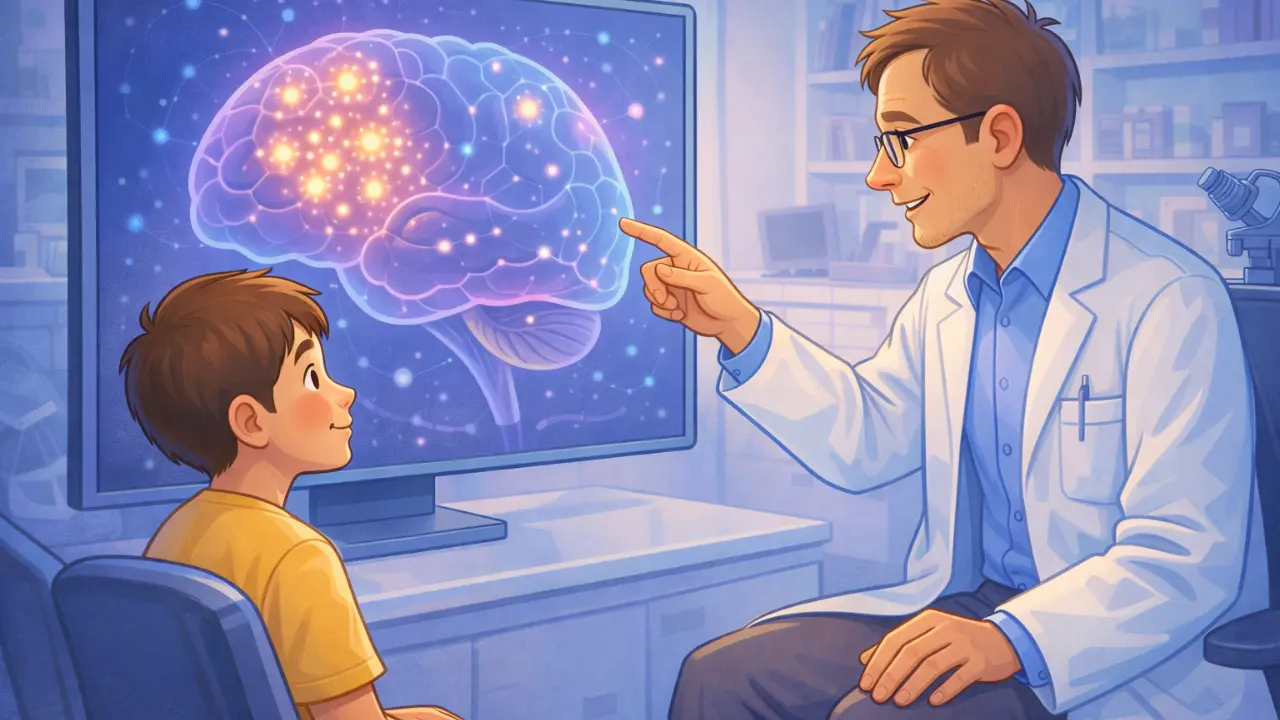
Brain Cancer May Begin Years Before It’s Visible—and Now We Know Where It Starts
In a KAIST lab, a spatial map glows where normal brain cells begin mutating into a glioma long before any scan can reveal a lump.... Read more.
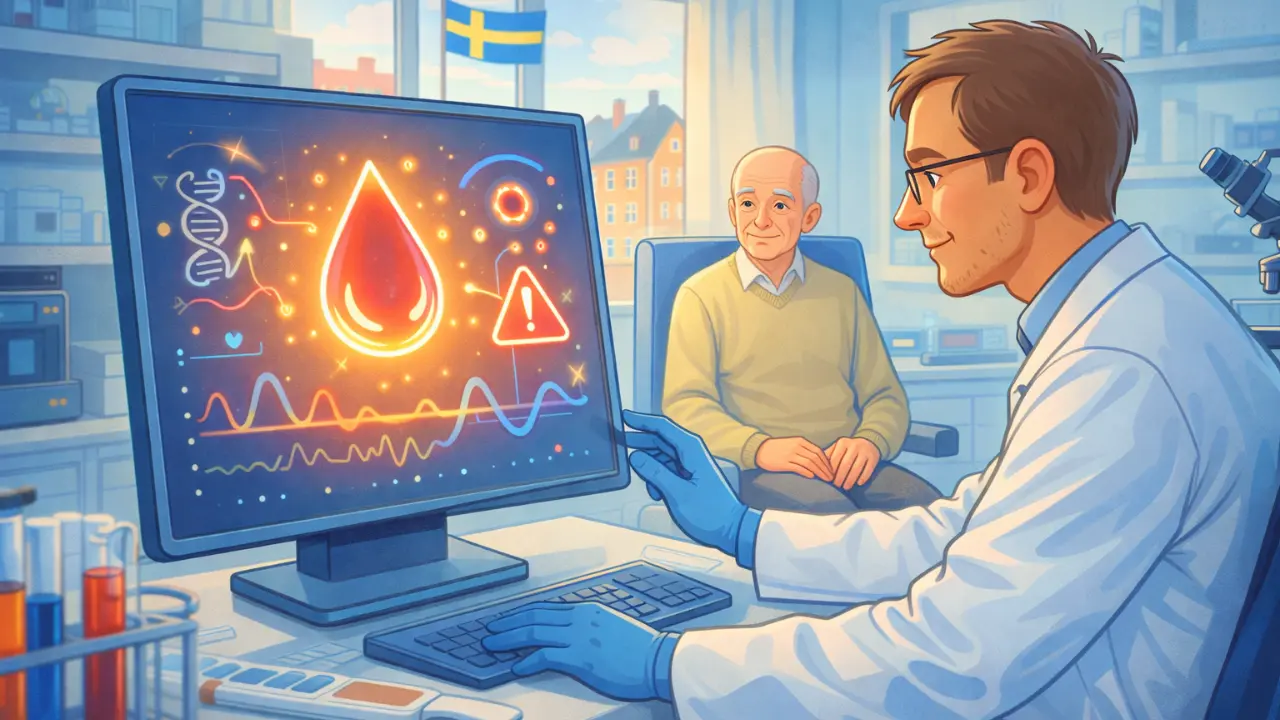
Why a Simple Blood Test That Spots Parkinson’s Years Before Symptoms Could Transform Early Diagnosis
In a sunlit lab at Chalmers, a drop of blood flickers on a monitor as Danish Anwer spots a prodromal Parkinson’s fingerprint that surfaces years before any tremor.... Read more.

Why Grandparents Who Babysit May Slow Cognitive Decline — And It’s Not About How Often
In a Tilburg lab, a stack of cognitive tests glows softly as Dr. Flavia S. Chereches explains that the simple act of helping a grandchild may be more than a family... Read more.
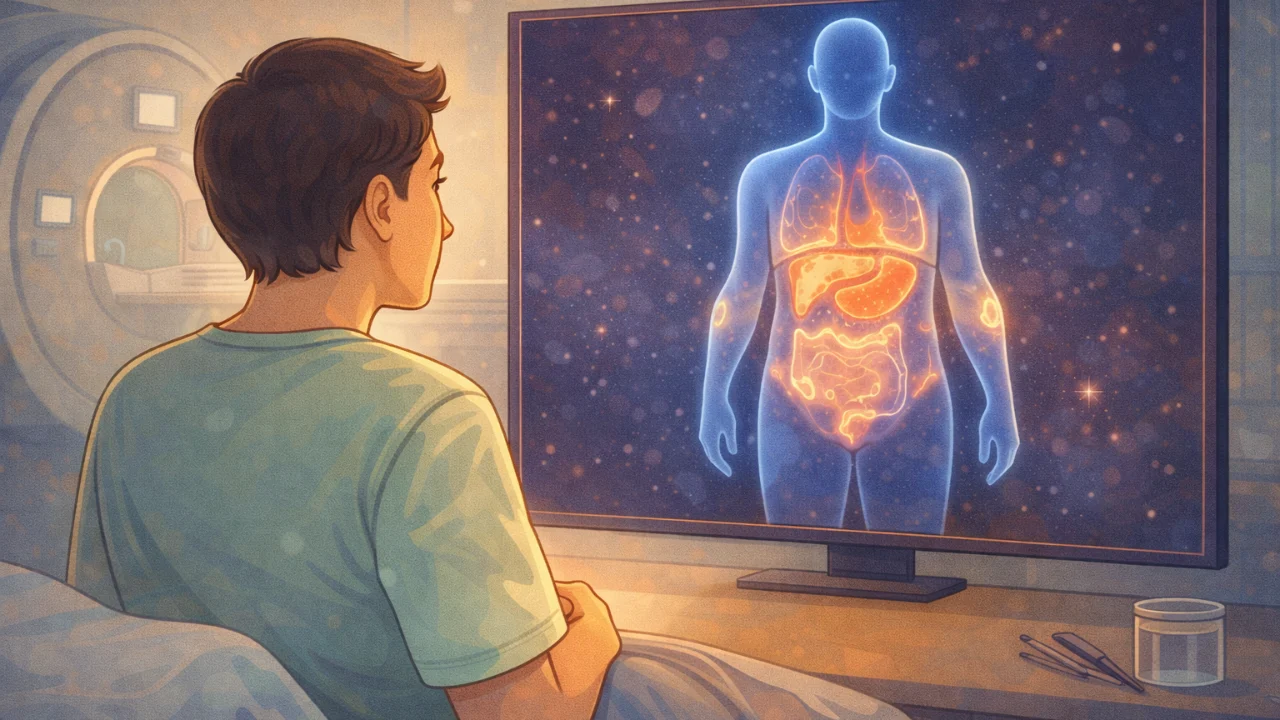
The Fat You Can’t See Could Be Shrinking Your Brain — A Hidden Risk Beyond BMI
In a quiet MRI lab, a heat-map of hidden fat patterns flickers to life, revealing two patterns that predict brain aging even when BMI looks normal.... Read more.
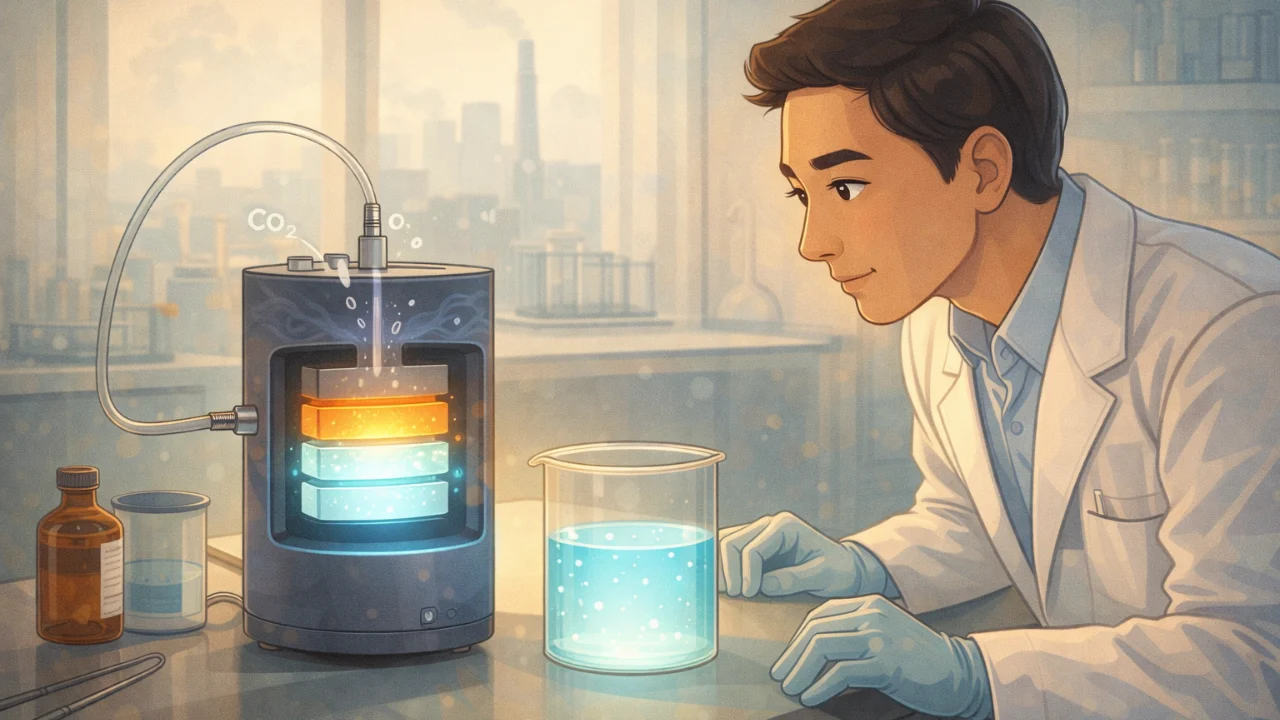
Why the ‘Capture, Then Convert’ Playbook Is Obsolete: One Electrode Converts Exhaust CO2 to Formic Acid in Real-World Gas
In a gleaming Korean lab, exhaust gas threads through a three-layer electrode as formic acid blooms in real time, turning a familiar plume into a usable chemical... Read more.
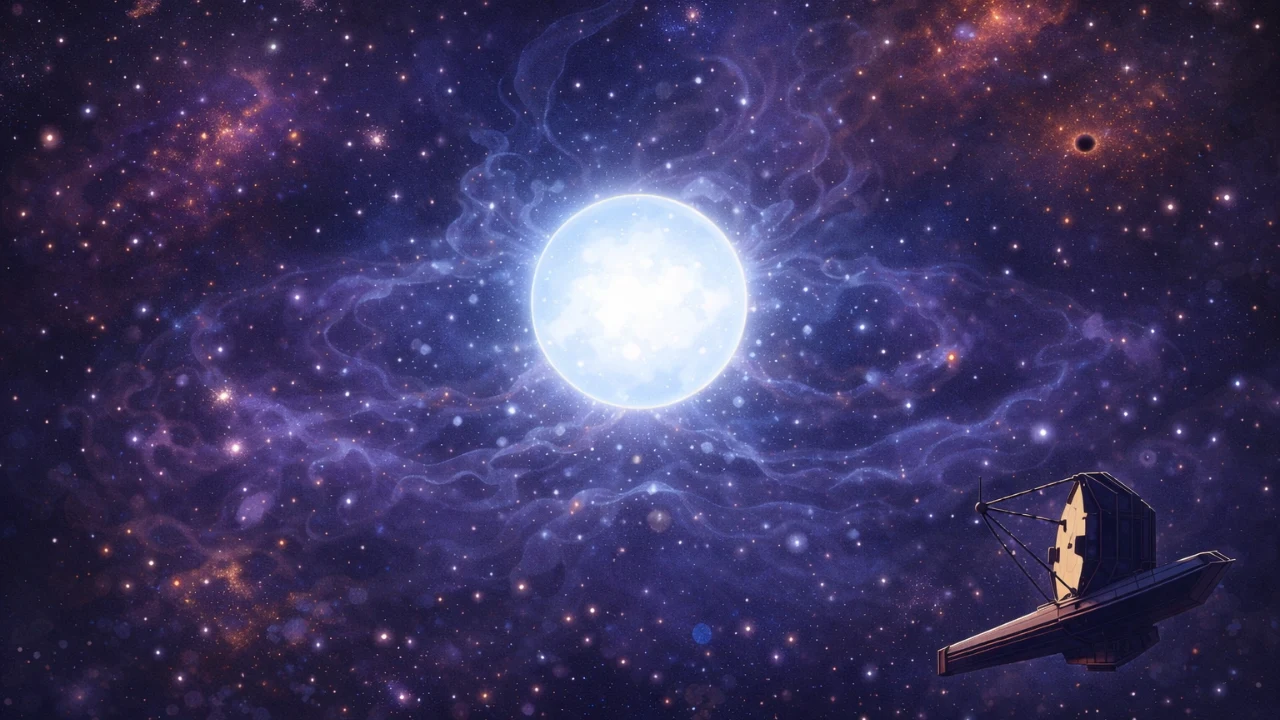
Dark Stars: The Surprising Key to JWST’s Early-Universe Puzzles
In a Colgate lab late at night, Cosmin Ilie sketches a star born not from fusion but of dark matter, a beacon he hopes will illuminate the cosmic dawn.... Read more.
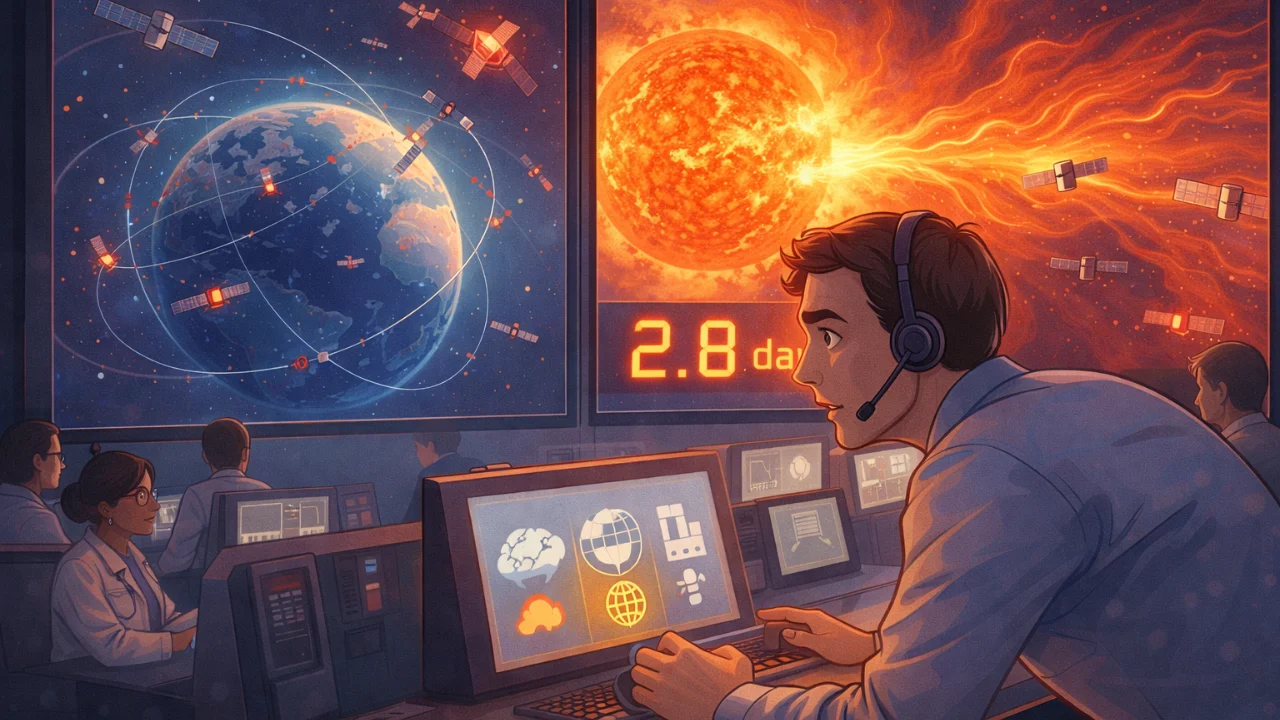
Why the Space-Safety Panic Is Scientifically Justified: LEO Could Collapse in 2.8 Days
Morning at mission control, a blinking CRASH Clock hits 2.8 days and the room realizes a solar storm could turn Low Earth Orbit into a chaotic, self-feeding cascade.... Read more.

Why Long COVID Brain Fog in the U.S. Seems Worse — It’s Not the Virus, It’s Culture.
In a sunlit Northwestern conference room, a wall map of four continents glows as researchers compare a startling chart: about 86% of U.S. patients report brain fog,... Read more.