Washed Up Hollywood Shark Tank Update: What Happened to the Belts?
Danon Beres sought $500,000 for Washed Up Hollywood. Find out why no deal happened and what later reports reveal about the discontinued belt brand.

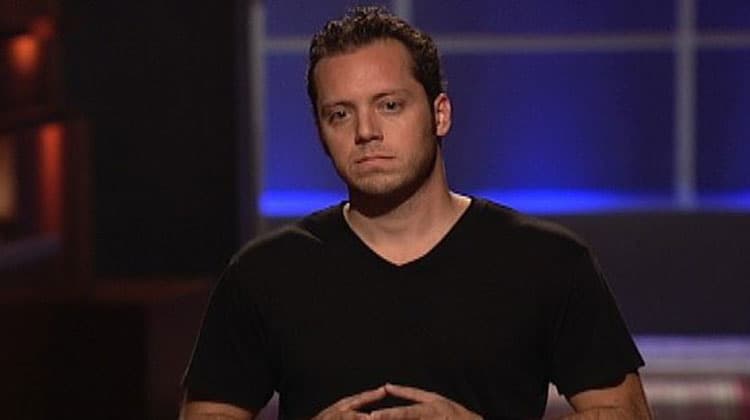
A belt can do more than hold up a pair of jeans. For Washed Up Hollywood, the buckle was the point: a visible fashion accessory intended to give an everyday outfit a stronger identity.
Danon Beres took that idea to Shark Tank with a request for $500,000. He came from a family familiar with belt design and wanted investment to help the business grow. The Sharks' response centered on whether the company justified the price he put on it.
The pitch ended without an investment. The later history is less dramatic and less precisely documented than some updates suggest: the brand continued for a period, but later reporting describes it as discontinued, with remaining products appearing through resale channels.
That makes two distinctions essential. A rejected valuation did not mean the belts had never sold, and a buckle offered on eBay years later did not prove the manufacturer was still operating. This update follows the evidence available for both the pitch and its aftermath. For the wider season, see our Shark Tank USA Season 1 products and deals guide.
Quick answer: What happened to Washed Up Hollywood?
Danon Beres asked for $500,000 for 25% of Washed Up Hollywood, implying a $2 million valuation. No Shark invested. Later coverage says the belt-and-buckle brand continued selling after the show but was eventually discontinued. A July 2021 update pointed to remaining products in Al Beres' eBay store, while another retrospective also described leftover buckles on eBay. These reports support a discontinued-brand conclusion, not ongoing production. A primary closure announcement or definitive shutdown date was not established. Current status: Washed Up Hollywood is reported discontinued, and no current authorized manufacturing or direct retail operation was verified for this review.
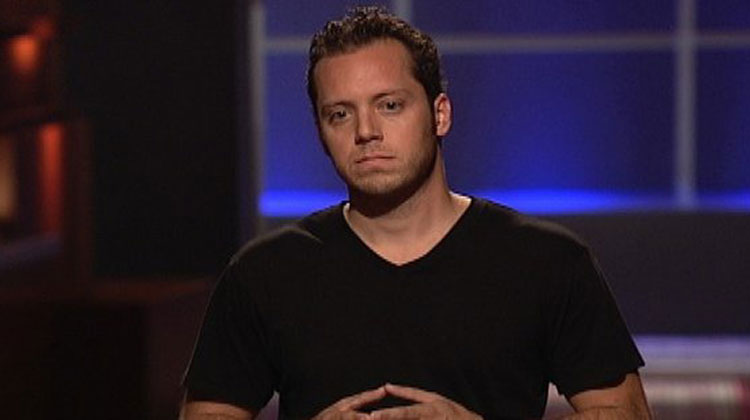
Shark Tank / ABC, via Shark Tank Blog.
What was Washed Up Hollywood?
Washed Up Hollywood sold decorative belts and buckles. Its proposition was style rather than a new fastening mechanism: customers could use the buckle as a prominent accessory.
All Shark Tank Products' overview connects Danon's work with his father Al Beres, who also designed belts and buckles. The younger brand aimed to reach another generation of customers.
A fashion business can grow from that kind of design background, but family experience alone does not establish demand for a particular new line. The commercial questions remain who buys it, what they pay and whether the business can repeatedly reach those customers.
| Part of the concept | Customer proposition |
|---|---|
| Decorative buckle | A visible statement within an outfit |
| Belt-and-buckle range | Multiple looks within one accessory category |
| Hollywood-inspired branding | A recognizable style story |
| Retail and online distribution | Ways to reach buyers beyond the founder's immediate contacts |
These are descriptions of the concept. They are not claims that a particular celebrity endorsed the company or that a retailer still stocks it.
Why did Washed Up Hollywood leave Shark Tank without a deal?
The contemporary episode account records a $500,000 request for 25% and a rejection from all five Sharks. Valuation was a central point of disagreement.
| Pitch detail | Outcome |
|---|---|
| Presenter | Danon Beres |
| Season | Shark Tank USA Season 1 |
| Product | Designer belts and buckles |
| Investment sought | $500,000 |
| Equity offered | 25% |
| Implied asking valuation | $2 million |
| Result | No investment |
The investment request and company valuation are different figures. Beres wanted $500,000 in exchange for one-quarter of the company; he was not saying he wanted to sell the whole company for that amount.
The Sharks did not agree that the proposed valuation justified their investment. Their refusal does not establish the eventual cause of the company's discontinuation. A negotiation outcome and a later operating failure are separate events.
Another Season 1 fashion pitch, Crooked Jaw, also illustrates how design ambition and an investor's assessment of the business can diverge.
What was the business challenge beyond the pitch?
A fashion accessory line must do more than create an attractive first collection. It needs repeatable sales, a workable production cost and enough cash to finance stock.
The pitch's investment size made those questions especially relevant. An investor buying a minority stake needs a reason to believe the business can grow enough to justify both the money and the risk.
| Operating issue | Why it matters for an accessory brand |
|---|---|
| Assortment | Different designs create customer choice but also inventory needs |
| Retail placement | Can widen reach without guaranteeing profitable sell-through |
| Production cost | Affects how much remains after wholesale or direct sales |
| Brand identity | Helps explain why buyers should choose this line |
| Working capital | Pays for stock and operations before every sale is collected |
This table is business analysis, not a claim to have reviewed Washed Up Hollywood's accounts. Detailed audited financial records were not available in the sources used for this update.
It also helps explain why the original $2 million valuation should not be recycled into a current net-worth headline. An asking price reflects what the founder proposed at one moment, not a verified later market value.
What happened after Shark Tank?
Latest supported status: Retrospective coverage describes Washed Up Hollywood as discontinued. Later sightings of products concern remaining or resale inventory. A verified closure date, current production operation or relaunch was not established.
The brand did not simply vanish at the end of the episode
The All Shark Tank Products overview says the business continued through online and retail sales before shutting down. That is evidence of activity after filming, although it does not provide a complete year-by-year operating history.
It would therefore be too strong to say the Sharks' rejection immediately ended the company. The more supportable account is that the founder continued, and the brand was later discontinued.
The public record is also not detailed enough to assign a single cause such as advertising costs, competition or a particular retailer decision. Those explanations would require evidence beyond the outcome itself.
An early follow-up already found an uncertain retail presence
In an August 2011 follow-up, a writer described the brand's website as offline, limited recent social activity and merchants still offering products.
Those observations capture a moment in time. They are useful evidence that its public-facing presence was difficult to establish by then, but an offline site is not a formal dissolution record.
The article included the writer's opinions about the business. This update uses the specific observations with attribution rather than treating every opinion or prediction as a verified fact.
Later stock appeared through Al Beres' eBay store
Shark Tank Blog's later business update reported that, as of July 2021, remaining traces of the business were products in Al Beres' eBay store.
That date matters. It is a historical report about stock, not a verified statement that the same listings are available today.
A reseller can keep a discontinued brand visible for years. Inventory may survive long after production stops, and a listing does not tell a reader when an item was manufactured or whether the original company still supports it.
What can and cannot be concluded
| Evidence | Supported conclusion | Limit |
|---|---|---|
| No-deal television pitch | No Shark investment was accepted | Does not show an immediate shutdown |
| Reports of post-show selling | The business continued for a period | No complete operating timeline |
| 2011 website observation | An observer found its direct online presence unavailable | Not a formal closure date |
| Later eBay stock report | Products remained in circulation | Not proof of new manufacturing |
| Discontinued-brand update | Retrospective coverage describes the line as ended | No primary closure announcement verified |
These limits are especially useful when comparing older Season 1 products. Throx, which appeared in the same episode, has a current official catalog. Washed Up Hollywood's remaining-product reports are a different kind of evidence.
Can you buy Washed Up Hollywood belts now?
A current authorized direct store was not verified. Any available item should be assessed as an individual listing, rather than assumed to come from an active original manufacturer.
Check the branding, measurements, condition and what components are included. A buckle alone may not be a complete belt, and an old product photo does not establish the condition of the actual item being sold.
This review does not direct readers to an unverified former domain or promise that a historical eBay listing remains available. It also does not establish a warranty or ongoing customer-service channel for the original brand.
What can founders learn from the pitch?
The clearest lesson concerns the relationship between an investment request and the evidence supporting it. A founder can have genuine design experience and products customers buy while still failing to justify a particular valuation to investors.
A second lesson concerns visibility after a television appearance. Interested viewers need a clear route to understand and obtain the product. The dated follow-up's observations show why an uncertain storefront makes a brand's ongoing status harder for customers to judge.
Neither lesson proves why Washed Up Hollywood eventually ended. They identify the practical questions raised by the documented pitch and follow-up without inventing a definitive failure narrative.
Frequently asked questions
Who pitched Washed Up Hollywood?
Danon Beres presented the belt-and-buckle brand. His father, Al Beres, also worked in belt design.
How much money did he request?
He sought $500,000 for 25% of the business.
Did any Shark invest?
No. The televised pitch ended without a deal.
Is Washed Up Hollywood still operating?
Retrospective sources describe the brand as discontinued. A current authorized operating business was not verified.
When did it close?
A definitive shutdown date was not established from a primary source. This article does not present a speculative year as confirmed.
Does an eBay listing mean the company is back?
No. Remaining stock and resale items can be offered after production ends. A listing alone does not prove a relaunch.
The weekly question
From obsession to clarity — one original question every week.
We answer one noisy topic at a time, in full. No daily roundup, no thread bait — just the question, the principles, and the system.