The Fizz Cup Shark Tank Update: Did the Float Idea Survive?
David Chodosh's Fizz Cup continued after Shark Tank. Explore the portable float, its no-deal pitch and what can be verified about later sales.

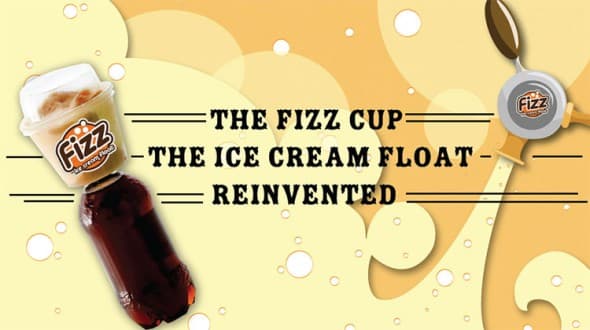
A root beer float is easy to enjoy at a table. Taking one along while walking around a fair is a different problem. David Chodosh designed The Fizz to turn a soda bottle into the base of a portable ice-cream treat.
The product, also known as the Fizz Cup, attached a small cup to the bottle. Ice cream went into the cup, soda joined it, and the familiar float became something a customer could carry as one unit.
Chodosh brought that idea to Shark Tank Season 1. The Sharks understood the appeal, but he did not leave with an investment. His product still had a life after the episode: later local reporting and a hands-on review document its continued presence.
The current picture is less clear. Marketplace listings are not the same as verified company accounts, and the product's name has been confused with another Shark Tank business in some summaries.
This update follows the evidence for Chodosh's Fizz Cup. For its place among the season's other inventions, see our complete Shark Tank USA Season 1 guide.
Quick answer: David Chodosh asked for $150,000 for 25% of The Fizz in Season 1 and left without a deal. The Fizz Cup was an attachment for making an ice-cream float on a soda bottle. The product continued after the show: November 2014 local coverage described international distribution, and a December 2014 reviewer reported receiving samples from Chodosh. Later marketplace listings exist, but the original company's present ownership, sales and fulfillment have not been independently confirmed. No reliable current net-worth figure was found. Current status: post-show sales are documented; current company-level operations remain unverified.
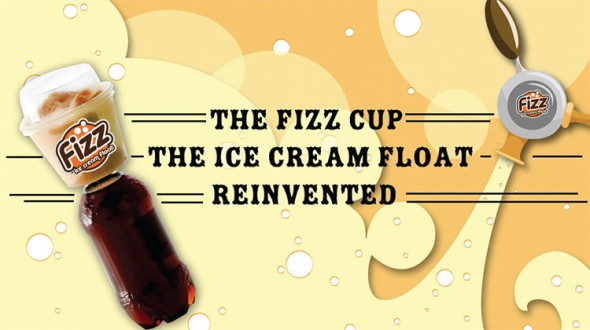
Historical Fizz Cup promotional image showing the real product. Image via Shark Tank Blog.
What was The Fizz Cup?
The Fizz was a cup attachment designed to combine bottled soda with ice cream. The bottle acted as both the soda supply and part of the handheld serving format.
The historical product profile describes the attachment and its use for a portable float. The invention changed how the dessert was served rather than creating a new ice-cream recipe.
A December 2014 hands-on review describes filling the cup, attaching it to a bottle and squeezing soda into the ice cream. The reviewer disclosed receiving free samples from Chodosh. That makes it useful evidence of the physical product and its distribution at that time, while also making the relationship behind the review clear.
| Component | Role in the product |
|---|---|
| Cup | Holds the ice cream |
| Bottle connection | Joins the cup to the beverage container |
| Soda bottle | Supplies the liquid for the float |
| Serving format | Combines the parts into a portable treat |
Bottle compatibility should be checked against instructions for the particular version. The original concept is not evidence that every cup fits every bottle.
What happened during the Shark Tank pitch?
Chodosh appeared in Season 1, Episode 6. He requested $150,000 for a 25% stake and did not secure a Shark investment.
The product profile records those terms. Some later recaps list a different request, so the figures should not be copied from a single unsourced table.
The specialist pitch account describes the commercial question behind the discussion: would the cup sell as an accessory customers filled themselves, or would a larger food company help bring a ready-to-use version to market?
| Pitch detail | Summary |
|---|---|
| Founder | David Chodosh |
| Product | Ice-cream float cup for soda bottles |
| Appearance | Season 1, Episode 6 |
| Requested investment | $150,000 |
| Equity offered | 25% |
| Implied asking valuation | $600,000 |
| Result | No deal |
The $600,000 figure comes from the proposed investment terms. It is not a verified current business valuation.
Because no agreement was reached on the show, there was no accepted Shark deal to track through a later closing process.
How could The Fizz make money?
The product could be sold as an empty accessory or supplied through a business serving the finished dessert. Those routes involve different customers and different operational requirements.
An empty cup is a physical product for a shopper to use. A prepared float also involves ingredients, storage, preparation and the venue serving it.
| Route | What the customer buys | Key commercial question |
|---|---|---|
| Consumer accessory | A cup to use with separately purchased ingredients | Will buyers use it enough to justify the purchase? |
| Event or concession supply | Cups for serving floats | Can preparation fit the vendor's workflow? |
| Promotional product | A branded or novelty serving item | Will an organization place repeat orders? |
| Larger food partnership | A broader product rollout | Is there a committed partner and workable distribution plan? |
This table explains the alternatives raised by the concept. It does not claim that every route became a large or lasting business.
The distinction resembles the distribution questions faced by TurboBaster: a demonstrable product still needs a dependable path from production to paying customers.
What happened to The Fizz after Shark Tank?
Latest update — November 2026: Dated sources confirm the product continued after the show. Later marketplace references remain visible, but current ownership, order fulfillment and financial results have not been independently verified.
There is evidence that Chodosh kept working with The Fizz after leaving the Tank.
A November 12, 2014 Random Lengths News announcement introduced him as a speaker at a San Pedro Chamber of Commerce event about entrepreneurial lessons from Shark Tank. The profile described the Fizz Cup as internationally distributed.
That is a dated statement about the product several years after its appearance. It supports continuation, but it does not identify revenue, profit or the number of active distributors.
The following month, the disclosed sample review provided a different kind of evidence: a reviewer said Chodosh sent three cups for testing. The article described the product being used with different soda flavors and linked to a purchasing website.
Later specialist coverage also reported online sales. Those accounts are useful historical leads, but old prices and store references should not automatically become present-day buying advice.
| Evidence point | What it supports | Limit |
|---|---|---|
| Original appearance | The product was pitched and received no deal | Does not determine later success |
| November 2014 event profile | Continued distribution was reported | No audited financial figures |
| December 2014 sample review | Physical products were supplied for review | Not an independent measure of sales volume |
| Later marketplace references | The product name continues to appear in listings | Does not verify original-company ownership or fulfillment |
The historical official website could not be accessed reliably during this update. A failed page load is not proof that a business has closed, just as an old listing is not proof that it is thriving.
For that reason, neither a definitive closure claim nor a current multimillion-dollar valuation is justified here. The most accurate account is that the product continued after Shark Tank, while its present company-level position is not fully documented.
Can you buy a Fizz Cup today?
Product listings can still be found, including a Walmart Business listing for Fizz cups. This is a reference to a listing, not confirmation of current stock or a recommendation of the seller.
Before buying, check the seller, quantity, delivery details and bottle compatibility. This update did not place an order or verify fulfillment.
Readers should also keep the product identity straight. The Fizz Cup discussed here is Chodosh's ice-cream float accessory. Claims about a rebrand or another beverage company require evidence connecting the businesses; none was established for this update.
What can founders learn from The Fizz?
The Fizz illustrates how a small product can raise a larger distribution question. Selling the accessory directly, supplying vendors and partnering with a food company are different businesses even when they use the same cup.
It also shows why a television rejection does not establish that a product disappeared. Dated post-show evidence matters more than assuming the pitch was the final event.
Compare that with Element Bars, whose later manufacturing focus is documented by official pages and a recent founder-event report. Different levels of evidence justify different levels of certainty.
The Fizz Cup FAQs
Who invented The Fizz?
David Chodosh presented the Fizz Cup on Shark Tank.
Did The Fizz get a deal?
No. The Season 1 pitch ended without an investment.
How much did Chodosh request?
He asked for $150,000 for 25% equity.
What did the product do?
It attached a cup to a soda bottle so ice cream and soda could be combined into a portable float.
Did the product continue after the show?
Yes. Dated 2014 coverage and a sample review document post-show activity.
Is The Fizz still available?
Later listings exist, but stock, seller identity and fulfillment were not independently confirmed.
What is The Fizz worth today?
A dependable current valuation was not found. The $600,000 implied by the original request is a historical asking valuation.
The weekly question
From obsession to clarity — one original question every week.
We answer one noisy topic at a time, in full. No daily roundup, no thread bait — just the question, the principles, and the system.