Soy-Yer-Dough Shark Tank Update: What Happened After Its Sale?
Soy-Yer-Dough won a three-Shark offer and a later acquisition. SEC records reveal what happened next to Sawyer Sparks' modeling dough.

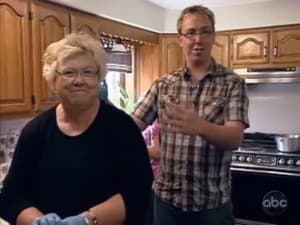
A pot of modeling dough is a simple classroom toy until its ingredients exclude a child from the activity. Sawyer Sparks built Soy-Yer-Dough around that problem: a wheat-free alternative that families could use for creative play.
His Shark Tank appearance became one of Season 1's memorable three-Shark negotiations. But the question viewers ask today goes beyond who offered him money. Did that attention turn into a lasting business, and can parents still buy the product?
The records tell a more complicated story than a successful pitch followed by a sale. A public company acquired the product's rights and assets in 2020. Later SEC correspondence described sales having halted since 2021, while amended financial statements recorded write-offs associated with the business. Those documents provide a much stronger update than an unsupported estimate of its present net worth.
Soy-Yer-Dough appears in our complete Shark Tank USA Season 1 guide, which separates televised offers from verified developments afterward.
Quick answer: What happened to Soy-Yer-Dough?
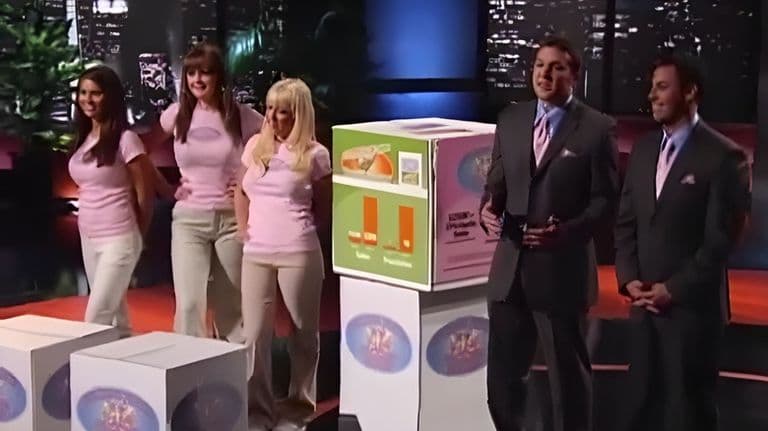
Sawyer Sparks asked for $125,000 for 25% of Soy-Yer-Dough and accepted an on-air offer of $300,000 for 51% from Daymond John, Robert Herjavec and Kevin O'Leary. Contemporary reporting quoted him discussing the three investors as partners, although the final closing documents were not independently verified for this update. Sustainable Projects Group announced an acquisition of the product's rights and assets in May 2020. Subsequent SEC correspondence referred to sales halted since 2021; amended accounts impaired goodwill and intellectual property and wrote off inventory as of December 31, 2021. Current status: no verified active sales channel was established in this review, and the later filings do not support describing the brand as a thriving ongoing business.
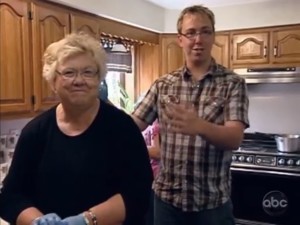
Shark Tank footage / ABC, via Gazette Review.
What was Soy-Yer-Dough, and who created it?
Soy-Yer-Dough was a modeling compound marketed as a wheat-free alternative to conventional play dough. Its appeal was participation: children could shape, squeeze and build with a product intended to address an ingredient concern that ordinary craft materials did not necessarily accommodate.
Sparks was studying agricultural economics at Purdue. CropLife's October 2009 report connected the product to his participation in Purdue's entrepreneurship program and described his ambition to create manufacturing jobs in Bloomfield, Indiana.
That background helps explain the pitch. This was both a product opportunity and a local manufacturing ambition. A licensing agreement could potentially reach customers without Sparks building every part of the operation himself, while his preference for hometown jobs gave him another objective to weigh.
The product was later also known as Yer Dough. Historical ingredient descriptions should not be treated as a current specification for every version or old container offered by a reseller. This article does not independently certify an allergy-related claim.
What deal did Soy-Yer-Dough get on Shark Tank?
The pitch recap records the initial request and the three-investor agreement.
| Pitch detail | Result |
|---|---|
| Founder presenting | Sawyer Sparks |
| Season | Shark Tank USA Season 1 |
| Original request | $125,000 for 25% |
| Accepted on-air offer | $300,000 for 51% |
| Sharks in the offer | Daymond John, Robert Herjavec and Kevin O'Leary |
| Original implied valuation | $500,000, based on the asking terms |
| Final funding verification | Closing documents not independently established here |
The accepted proposal offered substantially more money, but it also moved from a minority stake to majority ownership. That trade-off mattered: Sparks was seeking help turning a small production operation into a larger commercial business.
The $500,000 figure is arithmetic from the original ask. It is not the founder's personal wealth, a current company valuation or proof of revenue.
Contemporary reporting is more informative than a later recap alone. CropLife quoted Sparks describing the investors as business partners and discussing plans for a manufacturing facility. Those are meaningful statements from the period. They do not, by themselves, establish every final legal term or prove that all announced expansion plans were completed.
Other Season 1 negotiations involved equally significant ownership changes. Classroom Jams is another example where understanding what the founder agreed to sell matters as much as the headline investment.
How was the business supposed to grow?
The model combined a familiar craft activity with a specific reason to choose a different formulation. Its challenge was translating that distinction into dependable production and distribution.
| Business element | Why it mattered |
|---|---|
| Product differentiation | A wheat-free positioning gave customers a specific reason to consider the dough |
| Manufacturing | Growth required repeatable production, packaging and supply |
| Distribution | Families, educators and retailers needed a practical way to obtain it |
| Licensing | A partner could potentially provide commercial reach without the founder building every capability |
| Ownership | Bringing in outside capital changed who controlled decisions and shared returns |
These are business-model considerations, not audited measures of performance. The public record reviewed here does not establish current profit, annual sales or a present market value.
The manufacturing question also distinguishes a promising invention from a durable company. Element Bars illustrates a different Season 1 path in which production capabilities became central to the later business.
What happened after Shark Tank?
Latest verified update: Later SEC correspondence referred to Soy-Yer-Dough sales having halted since 2021. Amended accounts recorded impairment of YER Brands goodwill and intellectual property and an inventory write-off as of December 31, 2021. A verified active retail operation was not established in this review.
A documented acquisition in 2020
On May 13, 2020, Sustainable Projects Group announced its acquisition of the Soy-Yer-Dough product's rights and assets. The announcement described an all-share transaction and plans to expand production and distribution.
It also identified continuing founder involvement: Sawyer Sparks would lead YER Brands, with Samantha Sparks responsible for production. Those roles were described at the time of the transaction; they should not be presented as verified current appointments.
The acquisition is stronger evidence of a post-show milestone than a retrospective claim that the brand simply disappeared soon after filming. It shows that the product remained commercially significant enough to attract a buyer more than a decade later.
What the transaction figures actually mean
A subsequent SEC filing described consideration of 105,264 shares valued at $2.85 each, or approximately $300,002, for the acquired assets.
That amount was not a cash payment established by the filing, and it was not the original Shark Tank investment. The similarity between the two approximately $300,000 figures makes them easy to confuse, but they belong to separate transactions years apart.
The filing supports a specific accounting value at acquisition. It does not establish what the founders eventually realized from selling any shares or what the brand is worth today.
The later filings change the picture
The most consequential follow-up appears in SEC correspondence concerning the company's financial reporting. The regulator's questions referred to the absence of Soy-Yer-Dough revenue since 2021 and halted sales. The company's response described impairments and an inventory write-off in restated accounts.
Those accounting changes were also reflected in amended financial statements. The relevant date for the impairment and write-off was December 31, 2021, even though the restatements came later.
An impairment is not itself a legal dissolution notice. It does, however, materially weaken any claim that the acquired brand continued operating successfully without interruption. The responsible conclusion is narrower: the later documented record shows halted sales and written-down assets, while a subsequent operating revival was not verified.
| Milestone | What the record supports |
|---|---|
| 2009 appearance | Three Sharks made an accepted televised offer |
| May 2020 announcement | A buyer acquired product rights and assets in a share transaction |
| Acquisition accounting | Shares issued were valued at approximately $300,002 |
| Later SEC correspondence | Sales were described as halted since 2021 |
| Restated accounts | Relevant YER assets were impaired or written off as of year-end 2021 |
| Present availability | An active authorized sales channel was not verified |
Can you buy Soy-Yer-Dough today?
This review did not establish a current authorized store with confirmed availability. Historical product pages, old marketplace entries and dated prices should not be read as evidence of fresh production.
For anyone finding remaining stock, the practical questions are the seller's identity, the product's age and condition, and the actual ingredient information on that version. The original television pitch cannot answer those questions for a container offered many years later.
The same distinction applies to the business itself. A brand name surviving in search results does not prove that its former manufacturer is still fulfilling orders.
What can entrepreneurs learn from Soy-Yer-Dough?
The clearest lesson is that different milestones answer different questions. A Shark Tank offer measures investor interest on television. An acquisition establishes a later transfer of rights or assets. Neither guarantees indefinite demand, profitable production or continued availability.
Sparks also faced two goals that do not always align automatically: commercial expansion and local job creation. Choosing investors or a licensing partner requires understanding how each proposed arrangement serves those goals.
Finally, later financial disclosures can change the meaning of an earlier success story. Following a business beyond its announcement produces a more useful case study than stopping at the celebratory headline.
Frequently asked questions
Who founded Soy-Yer-Dough?
Sawyer Sparks created the product. Samantha Sparks was later identified in the buyer's announcement as responsible for production.
Which Sharks offered a deal?
Daymond John, Robert Herjavec and Kevin O'Leary jointly offered $300,000 for 51% on the show.
Did the Shark Tank deal close?
Contemporary founder comments described the Sharks as partners. Final closing documents were not independently established for this article, so the televised agreement and verified financing are treated separately.
Who acquired Soy-Yer-Dough?
Sustainable Projects Group announced an acquisition of its product rights and assets in May 2020.
Is Soy-Yer-Dough still in business?
An active current sales operation was not verified. The later SEC record described halted sales since 2021 and related asset write-offs.
What is Soy-Yer-Dough's net worth?
There is no verified current net-worth figure in the records reviewed. The original pitch valuation and the later share-based acquisition value are historical transaction figures, not present wealth estimates.
The weekly question
From obsession to clarity — one original question every week.
We answer one noisy topic at a time, in full. No daily roundup, no thread bait — just the question, the principles, and the system.