Sarah Marquis spent three years walking across Asia and Australia
Sarah Marquis turned a walking obsession into a three-year expedition across Asia and Australia, including the Gobi Desert.
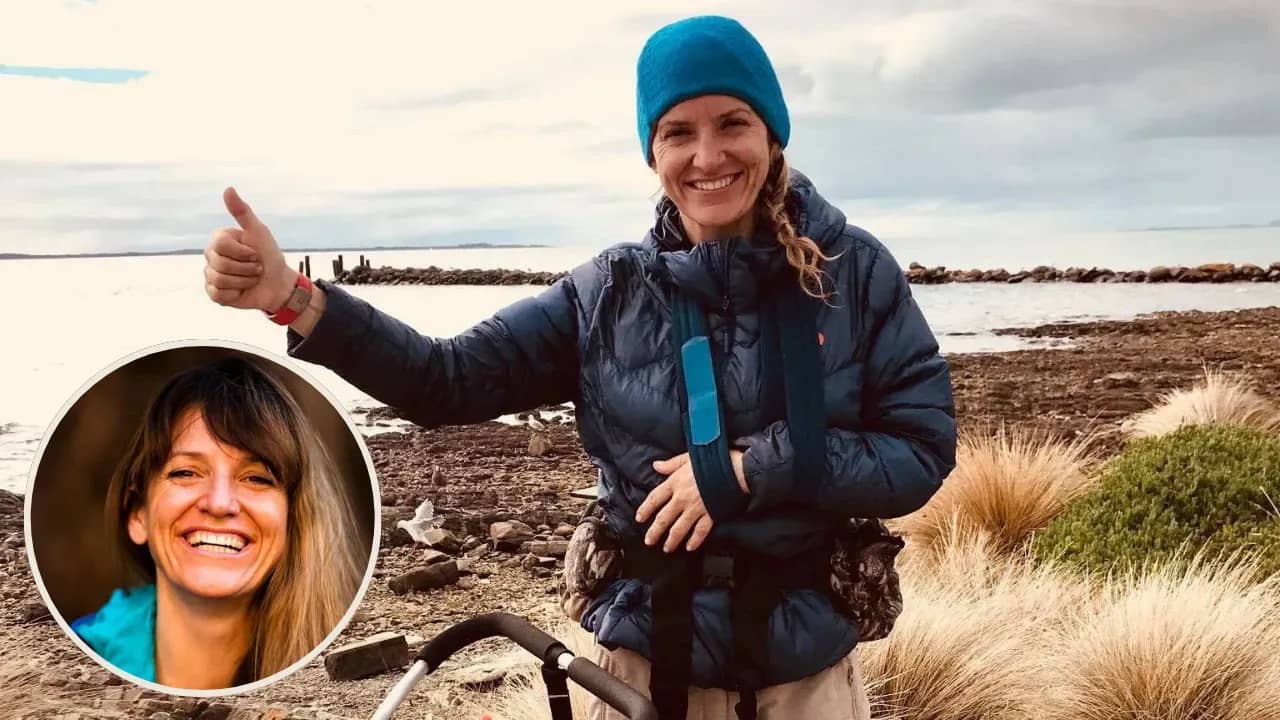
Swiss explorer Sarah Marquis devoted nearly three years to a walking expedition across Asia and Australia, turning her fascination with remote landscapes into the daily work of finding water, choosing shelter and keeping moving.
Her 2010–2013 journey took her through Siberia, Mongolia’s Gobi Desert, China, Laos and Thailand, followed by Australia. A cargo ship connected the Asian and Australian stages. The story is remarkable enough with that distinction intact: she had to keep adapting as the landscape, climate and demands of the journey changed.
Fast Facts
- Who
- Sarah Marquis, a Swiss explorer and author who built her life around long walking expeditions.
- Geek Obsession
- Long-distance walking, observing remote landscapes and developing the skills needed to travel through them.
- Notable Feat
- A nearly three-year expedition across Asia and Australia from 2010 to 2013, including the Gobi Desert.
- How It Worked
- Two years of preparation, map and weather research, planned resupply and careful daily decisions about campsites.
- Reality Check
- Solo did not mean unsupported: she arranged resupply, carried a tracker and took a cargo ship between Asia and Australia.
- What Happened Next
- Her journey became the memoir Wild by Nature; ABC documented another completed Australian desert trek in 2023.
Who is Sarah Marquis?
Sarah Marquis is a Swiss explorer and author known for long-distance walking expeditions through remote landscapes. Her interests center on survival skills, observing nature and understanding how people connect with their surroundings.
Before her 2010–2013 journey across Asia and Australia, she walked from the Canadian border to the Mexican border in 2000 and spent 17 months in the Australian outback beginning in 2002, according to her official biography.
A photograph of the Mongolian steppe in a travel agency window sparked her next expedition. That moment of curiosity grew into two years of preparation, followed by nearly three years of travel through deserts, forests and other demanding terrain.

A walking obsession becomes an expedition
Marquis had already spent years building a life around long journeys. Her earlier expeditions included a walk from the Canadian border to the Mexican border in 2000 and 17 months in Australia beginning in 2002.
The spark for this particular route arrived during an ordinary shopping trip. In a Business Destinations interview, she recalled passing a travel agency displaying a large photograph of the Mongolian steppe. The image stayed with her, and the idea gradually became an expedition.
That gap between a passing fascination and a workable journey is where much of her story happened. Before she could walk through those landscapes, she needed to understand what traveling through them would demand.
Two years of preparation before the first step
Marquis described spending two years preparing. Topographic maps covered her walls, equipment filled her living room and notes helped her organize the project. She researched conditions well beyond the forecast for departure day.
“I checked the weather reports for the last 20 years.”
The preparation gave her information to draw on when circumstances changed. A route on a map still had to become a sequence of places where she could travel, rest and replenish supplies.
That attention to the work behind the distance also runs through Scott Jurek’s approach to endurance running: pacing, food and recovery all matter when an effort extends far beyond a normal day outdoors.
A campsite was another problem to solve
In her Sidetracked interview, Marquis described looking for somewhere to stop by about 4 p.m. In exposed country, she wanted both shelter from the wind and somewhere she could remain out of sight.
She would put down her pack and cart, examine the surroundings and look for animal tracks. Photography offered a welcome break from hauling equipment. Tea was part of the evening routine, too.
Those details reveal the practical side of her obsession. Walking brought her to a location; observation helped her decide whether to stay. The day’s work continued after she stopped covering distance.
What “solo” actually meant
Marquis traveled alone, but she arranged resupply points and carried a SPOT tracking device to send daily safety updates. National Geographic’s 2013 profile also documents the cargo-ship passage from Bangkok to Australia. An unsupported, continuous walk would describe a different undertaking.
Support is part of understanding an expedition. The same distinction matters in the logistics behind Nimsdai Purja’s mountain-climbing project, where the people and equipment behind the achievement help explain how it happened.
The distance needs care as well. The publisher of Marquis’s memoir, Wild by Nature, gives 10,000 miles, while ABC’s later reporting gives 20,000 kilometers. Those are different totals. The well-documented duration and broad route provide a firmer picture than a supposedly exact mileage or an unverified record claim.
Her accounts also include illness and threatening encounters. This was a demanding expedition with preparation and support arrangements, not a model for casually heading into remote country.
Why she kept walking
Asked by National Geographic why she undertook these journeys, Marquis put her motivation simply:
“For me, walking is more than walking.”
She described wanting to communicate a connection between people and nature. The journey later became the subject of Wild by Nature, published in English in 2016.
She continued making long journeys. In September 2023, ABC reported that Marquis had completed a three-month Australian desert trek, traveling from Kalgoorlie toward the Nullarbor, through the Great Victoria Desert and finishing in Warburton. Her official website also lists talks and nature workshops.
The thread connecting those activities is her interest in paying attention to the world around her. A photograph first drew her toward Mongolia. Years of preparation and countless decisions about the ground in front of her turned that interest into a journey.
Frequently Asked Questions
Where did Sarah Marquis walk from 2010 to 2013?
Her expedition took her through Siberia, Mongolia’s Gobi Desert, China, Laos and Thailand, followed by Australia. A cargo ship connected the Asian and Australian stages.
Did Sarah Marquis complete the journey without support?
No. She traveled solo but arranged resupply points, carried a SPOT tracking device for safety updates and used a cargo ship between Thailand and Australia. Solo does not mean unsupported.
How far did Sarah Marquis walk?
Published accounts differ. Her memoir’s publisher gives 10,000 miles, while ABC reports 20,000 kilometers. These are different totals, so the exact distance should not be presented as independently verified.
How did Sarah Marquis prepare for the expedition?
She spent two years preparing, studying topographic maps and historical weather reports, organizing equipment and arranging resupply. During the journey, she assessed terrain and potential campsites as conditions changed.
What book describes Sarah Marquis’s journey?
Her memoir, Wild by Nature: From Siberia to Australia, Three Years Alone in the Wilderness on Foot, recounts the expedition. The English edition was published in 2016.
The weekly question
From obsession to clarity — one original question every week.
We answer one noisy topic at a time, in full. No daily roundup, no thread bait — just the question, the principles, and the system.