Scott Jurek, the Vegan Ultrarunner Who Made 100 Miles Look Almost Normal
Scott Jurek ran 100-mile races, crossed Death Valley, and proved vegan endurance could survive the sport’s hardest tests.
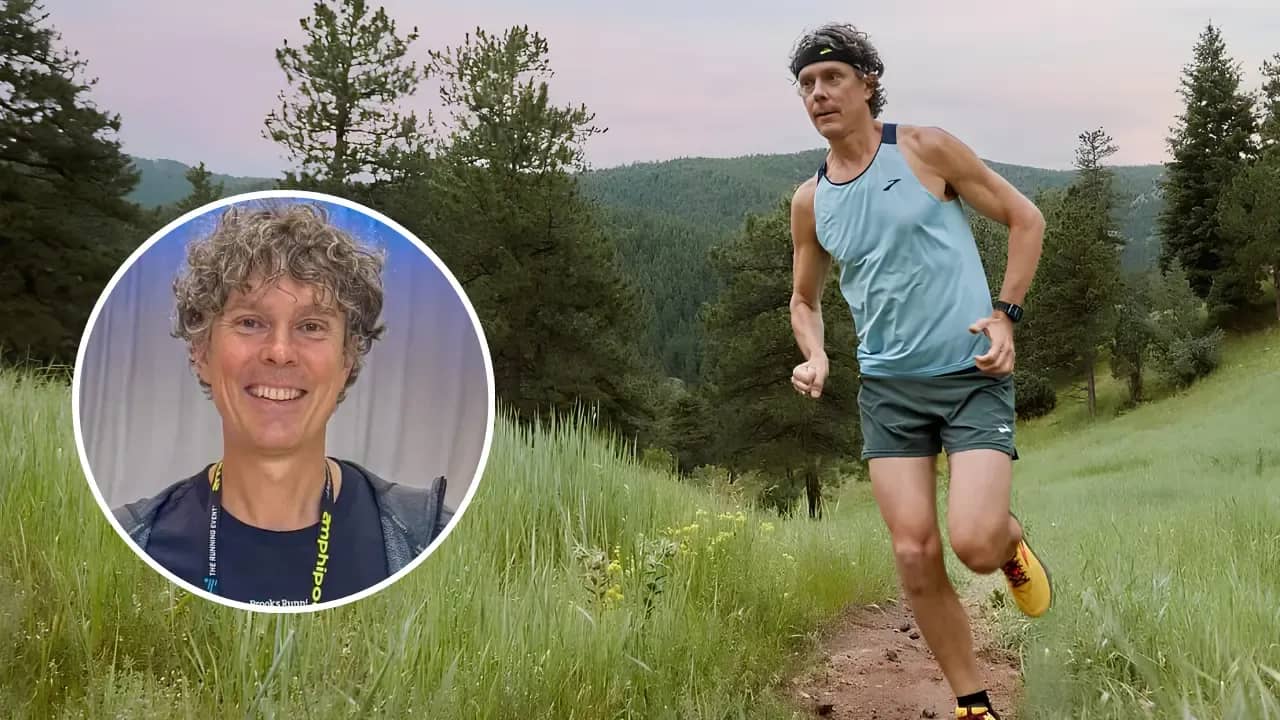
Most runners remember the first time they finish a 5K, a half marathon, or the full 26.2 miles. Scott Jurek built a career in a different world: 100-mile mountain races, 135 miles through Death Valley, and 153 miles from Athens to Sparta. He is an American ultrarunner, author, and plant-based endurance athlete who became famous for winning some of the hardest ultramarathons in the world while following a vegan diet. His story matters because it changed how many people think about strength, fuel, recovery, and what endurance can look like.
One verified record captures the scale of his career: Jurek won the Western States 100-Mile Endurance Run seven straight times from 1999 to 2005.
Who Is Scott Jurek?
Scott Gordon Jurek was born on Oct. 26, 1973, in the United States. He grew up in Minnesota and became one of the most recognized names in ultrarunning, a sport built around races longer than a marathon. He is also an author and public speaker, best known for the books Eat & Run and North, which tell the story of his running life, his plant-based diet, and his Appalachian Trail attempt.
Jurek did not become famous because he ran one strange race once. He became famous because he kept showing up in the hardest corners of the sport and winning. His résumé includes Western States, Badwater, Spartathlon, Hardrock 100, and a U.S. 24-hour running record.
He also became a symbol for plant-based athletes. His official bio says he follows a 100% plant-based diet and credits it with helping his endurance, recovery, and long career. That does not mean veganism alone made him a champion. It means he became one of the clearest examples that elite endurance and a carefully planned vegan diet can exist together.
“My plant-based diet isn’t everything, but it’s allowed me to remain healthy and recover quickly.”
Jurek, in a National Geographic interview
His Biggest Ultramarathon Wins
Jurek’s signature achievement came at Western States 100, a race through the Sierra Nevada that asks runners to cover 100 mountain miles in one continuous push. From 1999 through 2005, he won it seven years in a row. In 2004, he finished in 15 hours, 36 minutes and 27 seconds.
Then he expanded the story. In 2005, just weeks after another Western States win, he entered Badwater 135, a brutal race from Death Valley toward Mount Whitney. He won in 24 hours, 36 minutes and 8 seconds, a course record at the time.
In 2015, after years of racing, Jurek took on a different kind of challenge: the Appalachian Trail. Starting at Springer Mountain in Georgia, he moved north toward Mount Katahdin in Maine. The route covered 2,189 miles through 14 states. He finished in 46 days, 8 hours and 7 minutes, then a supported fastest known time.

How Scott Jurek Did It
Jurek did not make these distances look manageable by sprinting. He did it through pacing, patience, fueling, recovery, and years of experience. In long ultramarathons, speed matters, but survival matters more. A runner has to eat while moving, manage stomach problems, protect feet, handle heat or cold, and keep making decisions when the mind gets tired.
On the Appalachian Trail, his effort was “supported,” which means he had help from a crew and pacers. His wife, Jenny Jurek, played a central role. Support did not make the trail easy. It meant someone helped manage food, logistics, timing, and morale while he kept moving day after day.
Jurek also mixed running with hiking. On steep, rocky, technical trail, hiking can be faster and safer than forcing a run. That is one of the quiet lessons of his career: endurance is not only about pushing harder. It is about knowing when to adjust.
“This is going to be my masterpiece.”
Jurek, speaking to Runner’s World during his Appalachian Trail attempt
Why His Runs Were So Hard
A marathon is 26.2 miles. Western States is nearly four marathons, with mountains, heat, river crossings, and a strict cutoff. Badwater is 135 miles through Death Valley in summer. Spartathlon runs about 153 miles from Athens to Sparta. The Appalachian Trail is not a racecourse in the normal sense. It is a long, rocky footpath with constant climbs, roots, mud, weather, and long remote stretches.
That is why Jurek’s career still stands out. He did not just finish hard events. He repeated elite performances for years. He also did it while challenging the image many people had of endurance athletes. The old stereotype was heavy on meat, toughness, and suffering. Jurek’s version included lentils, rice balls, patience, body awareness, and a long-term view of recovery.
The surprising part is not that a vegan ran far once. The surprising part is that Jurek built one of ultrarunning’s most respected careers while using plant-based food through the hardest years of that career.

Why Scott Jurek Matters
People care about Jurek because his story gives them a different way to think about limits. He showed that endurance is not a single trait. It is a system. Training matters. Food matters. Sleep matters. Mental steadiness matters. So does community.
His story also arrived at the right moment. Ultrarunning was once a small, fringe sport. Books such as Born to Run, where Jurek appeared as a major figure, helped introduce it to a wider audience. Suddenly, more people were curious about trail races, barefoot running, long-distance cultures, and plant-based performance.
But the most memorable detail may be smaller than any record. Jurek was known for staying near finish lines after he won, cheering for runners who arrived hours later. That matters because it changes the shape of the story. He was not only the athlete at the front. He was also someone who understood that the last finisher had fought a real battle too.
“Running can be a lonely activity. It can also introduce you to people worlds beyond your imagining.”
Jurek, on his official training page
Records, Risks And Controversy
There are a few important pieces of context.
First, Jurek’s Appalachian Trail record no longer stands. Karl Meltzer beat it in 2016. Other runners later lowered the mark again, and Tara Dower set the current overall supported fastest known time in 2024 at 40 days, 18 hours and 6 minutes.
Second, the Appalachian Trail Conservancy does not officially recognize speed records. The times are tracked by the Fastest Known Time community, which separates efforts by route, direction, and support style.
Third, Jurek’s 2015 finish on Mount Katahdin led to controversy. Baxter State Park officials cited him after his summit celebration, including issues involving alcohol, group size, and champagne. Jurek disputed how the incident was portrayed and later said the attention took away from his larger goal of drawing people toward trails and conservation.
These details do not erase the athletic achievement. They make the story more accurate.
Lessons From Scott Jurek
Most readers should not try to copy Scott Jurek’s mileage. Running 50 miles a day for weeks can cause serious injury, dehydration, sleep deprivation, heat illness, and long-term damage. His achievements came from years of preparation and a support system.
But ordinary people can take useful lessons from his approach. Build slowly. Eat enough. Recover seriously. Find people who make the hard work less lonely. Respect the terrain. Do not confuse suffering with progress. And if you choose a plant-based diet, plan it carefully, especially around protein, iron, vitamin B12, calories, and recovery.
Jurek’s story also teaches a quieter lesson: consistency can be more powerful than drama. He became great not through one impossible day, but through many disciplined days stacked together.
The Bigger Meaning
Scott Jurek made 100 miles look almost normal, but not because 100 miles is normal. It is not. He made it look possible by showing the work behind the distance: the food, the pacing, the crew, the pain, the patience, and the decision to keep moving when the finish is still far away.
His legacy is not only a list of wins. It is the way he widened the picture of endurance. A champion could be vegan. A runner could be fierce and generous. A record could matter, then be broken, while the example still remained.
That is why Jurek is worth knowing. He did not just run farther than most people can imagine. He helped people imagine endurance differently.
FAQs
Is a vegan diet safe for ultramarathon training?
A vegan diet can support endurance training, but it needs planning. Runners should pay attention to calories, protein, iron, vitamin B12, calcium, omega-3 fats, and recovery meals. For heavy training, a sports dietitian can help.
What is a “supported fastest known time” on the Appalachian Trail?
A supported fastest known time means the runner or hiker receives outside help during the attempt, such as crew support, food, gear, transportation access, or pacers. It is different from a self-supported or unsupported attempt.
Can beginners train for an ultramarathon like Scott Jurek?
Beginners should build gradually, starting with consistent running, trail experience, strength work, and shorter races. Jumping into extreme mileage can cause injury. Most runners need years, not weeks, to prepare safely for ultramarathon distances.
The weekly question
From obsession to clarity — one original question every week.
We answer one noisy topic at a time, in full. No daily roundup, no thread bait — just the question, the principles, and the system.