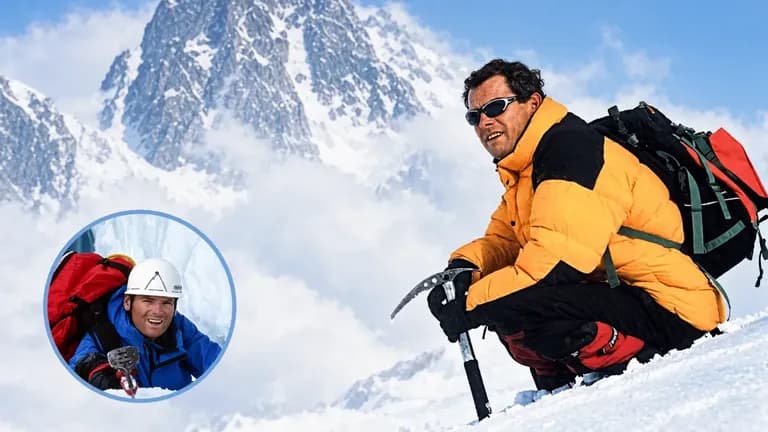
Nimsdai Purja: The Soldier Who Climbed 14 Himalayan Giants in One Season
In 2019, Nimsdai Purja completed all 14 eight-thousanders in 189 days, proving the feat was about more than speed.
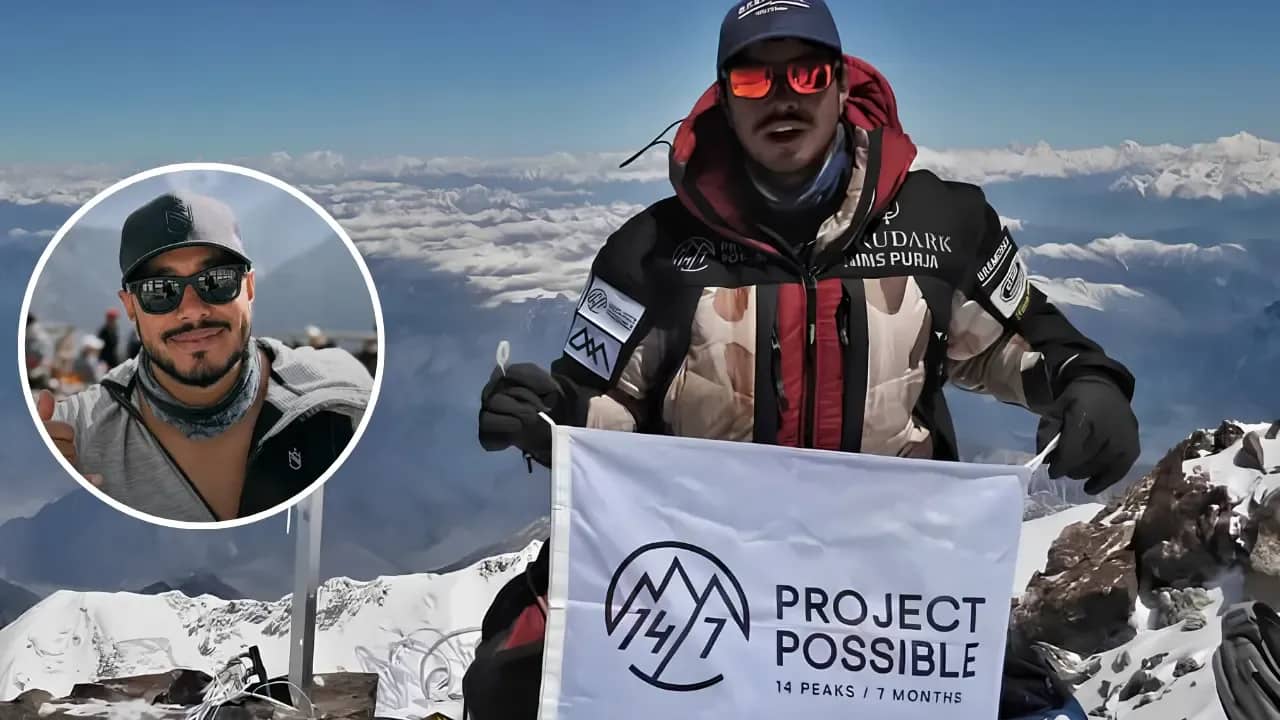
On Oct. 29, 2019, Nirmal “Nimsdai” Purja stood on the summit of Shishapangma in Tibet and completed one of the fastest high-altitude climbing projects ever recorded. He had climbed all 14 of the world’s mountains above 8,000 metres in 189 days, or six months and six days, according to a UKClimbing report on Project Possible.
That is why people still search for him: Purja took a goal usually measured across years and compressed it into a single climbing season. But the story is not only about speed. It is about planning, risk, national pride, teamwork and the people who have too often been left out of mountaineering’s biggest stories.
Who Is Nimsdai Purja?
Nimsdai Purja was born in Nepal and built his early adult life in the military. He served as a Gurkha before joining the UK Special Forces, including the Special Boat Service. His official biography says he spent 16 years in the military, six as a Gurkha and 10 with UK Special Forces.
His nickname carries a personal note. “Dai” means “brother” in Nepali, and Purja has used “Nimsdai” as part of his public identity. After leaving the military, he became a high-altitude expedition leader, author and public figure. His story later reached a wider audience through the Netflix documentary 14 Peaks: Nothing Is Impossible.
Before the record, he was not the most famous mountaineer in the world. That changed because Project Possible was easy to understand and hard to believe: one man, one team, 14 giant mountains, seven months.

How Nimsdai Purja Climbed All 14 Eight-Thousanders
Purja called the mission Project Possible 14/7. The aim was simple to describe and brutally hard to execute: climb all 14 mountains above 8,000 metres in seven months.
He began with Annapurna in Nepal on April 23, 2019. Over the next few months, he moved through some of the most dangerous terrain on Earth: Dhaulagiri, Kangchenjunga, Everest, Lhotse, Makalu, Nanga Parbat, Gasherbrum I, Gasherbrum II, K2, Broad Peak, Cho Oyu and Manaslu.
The final peak was Shishapangma, in Tibet, on Oct. 29, 2019. That summit completed the project in 189 days.
The title “14 Himalayan Giants” works for a general audience, but the exact geography needs care. The 14 peaks are spread across the Himalaya and Karakoram ranges, including mountains in Nepal, Pakistan and China/Tibet. K2, for example, is in the Karakoram.
The Strategy Behind Project Possible
Purja did not climb these mountains as isolated expeditions spaced years apart. He treated the entire challenge like one continuous operation.
He and his team moved in phases. First came the Nepal section in spring, including Annapurna, Dhaulagiri, Kangchenjunga, Everest, Lhotse and Makalu. Then came the Pakistan peaks in summer, including Nanga Parbat, the Gasherbrums, K2 and Broad Peak. The final stage included Cho Oyu, Manaslu and Shishapangma.
The project depended on more than fitness. It required permits, funding, rapid travel, weather judgment, acclimatization, fixed ropes, bottled oxygen and a rotating group of skilled Nepali climbers and Sherpas. Purja also had to stay healthy enough to climb again and again in what mountaineers call the death zone.
The death zone means altitude above 8,000 metres, where oxygen is so thin that the human body cannot properly recover. At that height, fatigue is not just uncomfortable. It can blur judgment, slow movement and turn small delays into fatal problems.
Purja used supplementary oxygen during the 2019 project. That matters. It does not erase the achievement, but it places it in the correct category. A supported, oxygen-assisted speed record is different from a no-oxygen or unsupported climb.

Why Climbing 14 Peaks in One Season Was So Hard
Most climbers who attempt all 14 eight-thousanders spend years, sometimes decades, working through the list. Weather windows are short. Avalanches, altitude sickness, frostbite and exhaustion are constant threats. Even reaching base camp can require complex logistics.
Purja’s record was unusual because he stacked these dangers with very little recovery time between climbs. He also took part in rescue efforts during the project, including high-altitude emergencies that could have slowed or ended the schedule.
One of the most memorable details is that his mother was ill during the project. That human pressure sat behind the public achievement. The story was not only a physical challenge. It was also a personal gamble with money, time, family duty and reputation.
His Beyond Possible book page includes a blunt line about the pressure: “I’d have been even quicker had I not been called in to lead four perilous, high-altitude rescue missions.”
Why Nimsdai Purja’s Record Changed Mountaineering
Project Possible mattered because it shifted attention toward Nepali mountaineers. For decades, Sherpas and other Nepali climbers have carried loads, fixed ropes, guided clients and taken major risks on Himalayan expeditions. Yet global fame often went elsewhere.
Purja made a Nepali-led achievement the main story. His team was not background support. It was central to the record.
The project also reached people beyond mountaineering because it had a clear emotional shape. Purja was a former soldier trying to prove that a dismissed idea could be done. The goal was easy to repeat in one sentence. The timeline was concrete. The stakes were visible.
His Everest queue photo in May 2019 added another layer. The image of climbers waiting near the summit went viral and sparked global debate about overcrowding, safety and commercial climbing on Everest.
The Context Behind the Record
This story should be told with admiration, but not without context.
First, Purja’s 2019 record was later broken. In July 2023, Kristin Harila and Tenjen “Lama” Sherpa completed all 14 eight-thousanders in a much shorter time, according to the Kathmandu Post on Harila and Tenjen Sherpa’s record.
Second, mountaineering records can be complicated. Climbers and record keepers sometimes debate oxygen use, support, routes, fixed ropes and whether a climber reached the true highest point of certain broad summits.
Third, Purja has faced serious allegations. In 2024, The New York Times reported allegations of sexual misconduct from two women. Purja denied the allegations as false and defamatory. Those allegations are not part of the 2019 climbing record itself, but they are part of his public story and should not be ignored.
What Nimsdai Purja’s Story Teaches Us
Purja’s story is not a simple lesson in “believe and it will happen.” That would be too easy and not very honest.
The better lesson is that huge goals become possible when they are broken into systems: training, timing, team selection, logistics, money, risk control and quick decisions under pressure. Project Possible was not just courage. It was organization at altitude.
Readers can also learn to ask better questions about records. Who supported the attempt? What tools were used? What risks did others carry? What category does the achievement belong to?
And for anyone inspired by the mountains, the safety lesson is clear. High-altitude climbing is not a casual adventure. It requires years of training, expert guidance and respect for conditions that can change faster than a person can react.
The Bigger Meaning of Project Possible
The lasting image of Project Possible is not only Purja on a summit. It is Purja with his Nepali teammates after the final climb, having forced the mountaineering world to look again at what speed, skill and recognition mean.
His 2019 record no longer stands as the fastest overall ascent of all 14 eight-thousanders. But its place in climbing history remains important. It changed the scale of what people thought could be done in one season. It brought a Nepali climber and a Nepali-led team into the center of a global story. And it reminded readers that behind every clean record number is a messier human story of ambition, risk, help, sacrifice and consequence.
Related Reading
Ueli Steck’s impossible solo speed climb. Read the Full Story
The weekly question
From obsession to clarity — one original question every week.
We answer one noisy topic at a time, in full. No daily roundup, no thread bait — just the question, the principles, and the system.