
R1SE After Shark Tank: What Happened to Michigan’s After-School Centers?
Barbara Corcoran agreed to invest $300,000 in R1SE. New interest arrived quickly, but a local registration page says more about expansion than the number of inquiries.
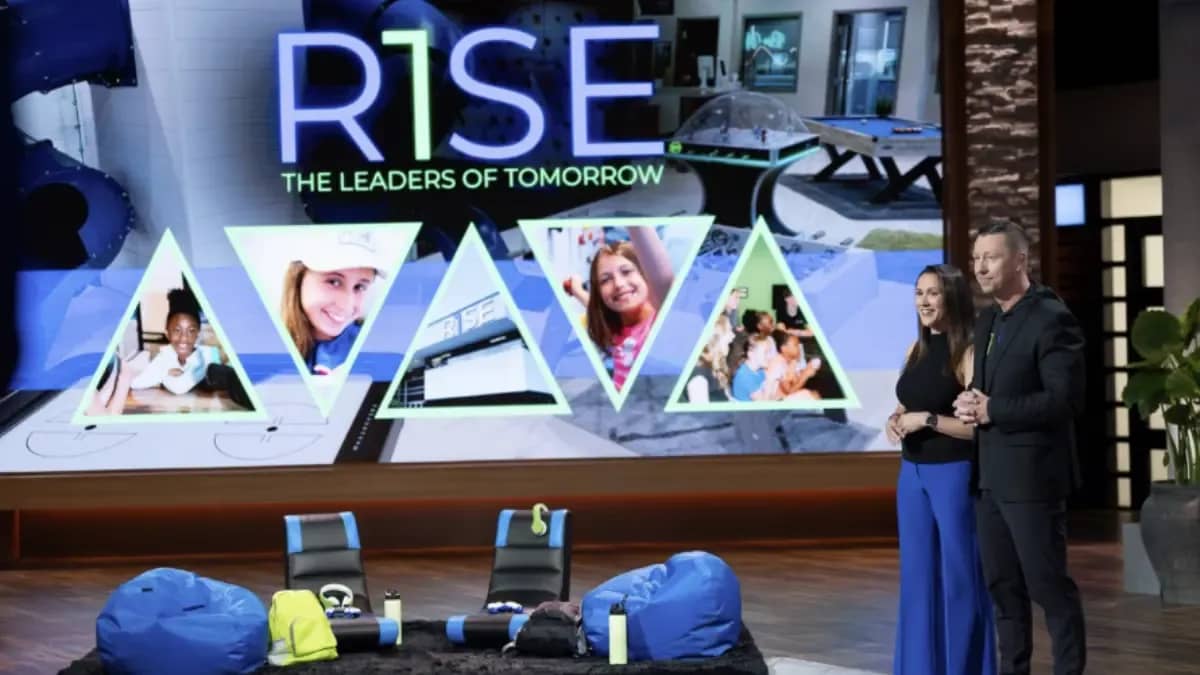
For a working parent, the difficult part of an afternoon can be what happens after pickup: a tired student still has homework, a test to study for and an understandable desire to play. R1SE puts those things in the same building. Students get academic help from mentors and can then spend time in recreation spaces designed to make the place somewhere they actually want to go.
Trevor and Heather Szafranski brought that idea to Shark Tank and agreed to a $300,000 investment from Barbara Corcoran. They reported receiving inquiries from far beyond Michigan after the broadcast. But an email from a superintendent and a fully staffed location are different milestones. The clearest way to track this business is to look at where a parent can actually register.
On-air deal
Pitch outcome
$300,000 for 15% with Barbara Corcoran.
$300,000 for 10%
Opening ask
Terms sought on Shark Tank.
Three communities
Product detail
Freeland, Midland and Frankenmuth appear on the company’s site.
Product snapshot
| Field | Details |
|---|---|
| Company | R1SE |
| Founder or founding team | Trevor and Heather Szafranski |
| Product | Before- and after-school academic support paired with recreation |
| Industry | Education and recreation |
| Shark Tank episode | Season 17, Episode 15 • March 25, 2026 |
| Current status | The company lists registration information for Michigan communities. |
How does R1SE work?
Students work on homework, tests, projects and leadership habits. Recreation is integrated into the schedule. The official program site describes local offerings by location; ABC’s episode guide identifies the combination of tutoring and recreation as the pitch. Families are buying a structured block of time as well as academic help.
That combination matters because a tutor and an after-school program are not perfect substitutes. A family may need consistent coverage each afternoon even when no test is coming up. A child who needs specialist instruction, on the other hand, may need more than a general support program provides.
Who built R1SE?
Trevor left a 15-year career in education before building the original Freeland program. Local reporting after the episode identified Freeland and Midland as operating locations serving about 120 students daily, with a third site under construction in Frankenmuth. Those details provide a baseline against which later expansion claims can be measured.
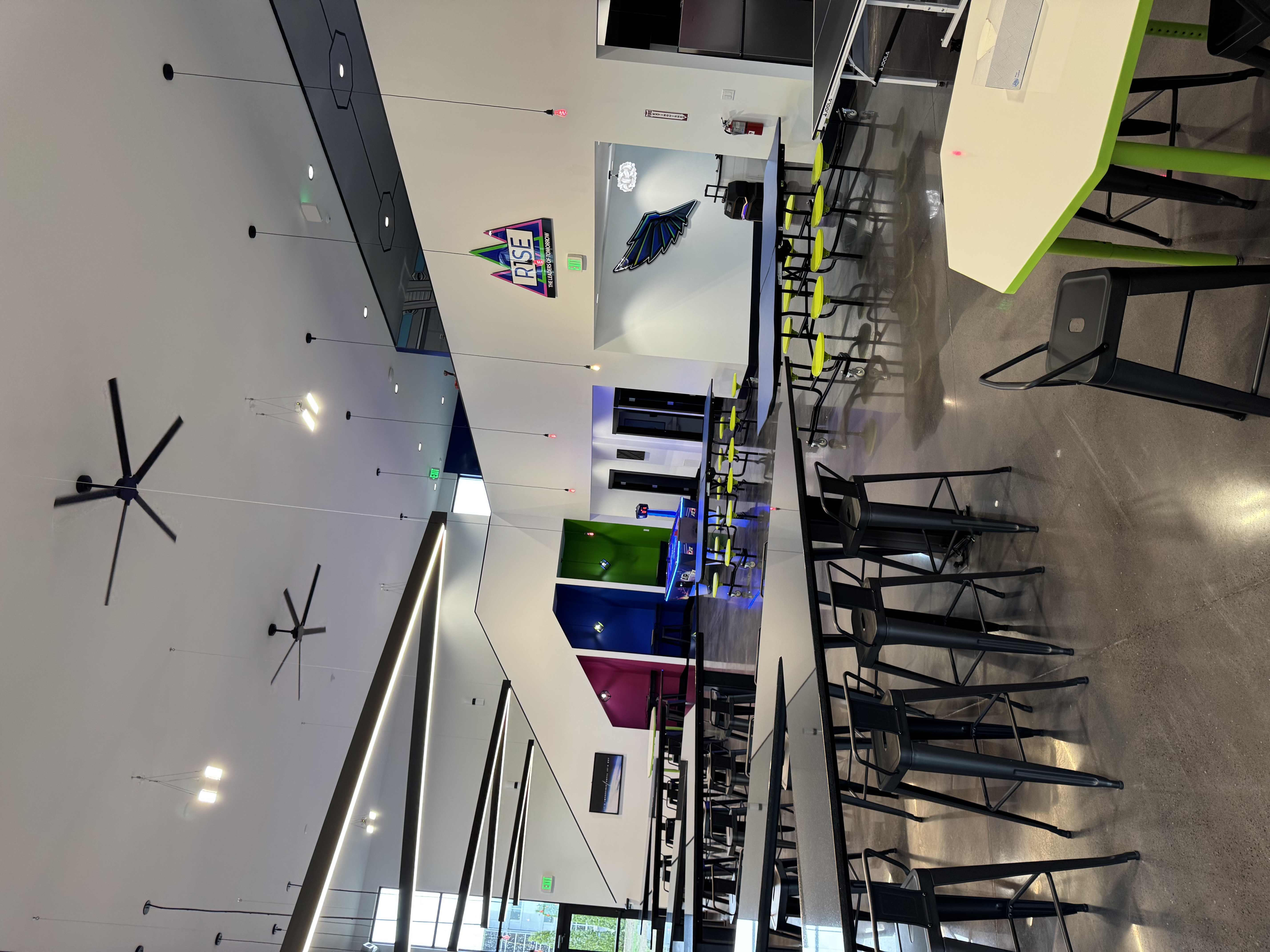
From R1SE’s official program website.
“It takes unity in a community to build a bright future.” — Trevor Szafranski, in a local interview after the broadcast.
What happened to R1SE on Shark Tank?
The founders offered 10% for $300,000. Episode coverage reports roughly $500,000–$600,000 annually per location and a 21% margin discussed during the pitch. Kevin O’Leary questioned whether a price around $15 an hour could cover the operating costs of a wider network.
Corcoran offered the full amount for 15%. At that price the implied post-money value was $2 million. The founders accepted. Her real estate and franchising background addressed a practical concern for a team that had already proved it could run a local center: how to find the next site and recruit the people who can run it. Episode reporting.
Deal snapshot
| Negotiation point | What the evidence supports |
|---|---|
| Asked | $300,000 for 10% |
| On-air outcome | $300,000 for 15% with Barbara Corcoran. |
| Key negotiating point | The hourly price that made the service accessible also raised concerns about expansion costs. |
The afternoon rush sets the economics of a center
A store might spread customers across an entire day. An after-school center receives much of its demand in the same narrow window. Rent runs all day, qualified mentors must be available at the right time, and transportation and pickup have to work with school schedules. A center can look busy at 4 p.m. without being financially healthy across the week.
That makes community support more valuable than a list of interested cities. The useful indicators are committed local families, a workable site, enough qualified staff and a relationship with the schools. Those requirements also explain why expanding slowly can be a rational choice even after national exposure.
Business model snapshot
| Business question | Answer |
|---|---|
| Product | Before- and after-school academic support paired with recreation |
| Sales channel | Physical centers in Michigan with local registration. |
| Buyer decision | Compare hours, transportation, staffing and academic support at the specific site. |
| Business question | Can a new center reach sustainable attendance without losing the program’s affordability? |
What happened after Shark Tank?
Latest update — November 12, 2026. R1SE’s website lists Freeland, Midland and Frankenmuth, with registration information for the third community. The post-show local interview had previously described Frankenmuth as under construction.
This is a more concrete expansion signal than the national inquiries reported after television. A registration link does not guarantee an open seat or establish that an out-of-state franchise has opened. Families should check the current school-year schedule directly.
Current status evidence
| Evidence | What it establishes |
|---|---|
| Official offering | The company lists registration information for Michigan communities. |
| Pitch evidence | $300,000 for 15% with Barbara Corcoran. |
| What is still unknown | Occupancy, current profit by location and timing of any out-of-state sites. |
Company timeline
| Date | Milestone |
|---|---|
| Before the appearance | R1SE ran programs in Freeland and Midland. |
| March 25, 2026 | The founders agreed to Corcoran’s $300,000 offer. |
| After broadcast | They reported inquiries from other states and a third Michigan site in development. |
| November 2026 | The official site identifies three Michigan communities. |
What should a buyer check?
Choose the site that fits the child’s school and the family’s transportation plan. Ask about the actual hours, pickup arrangements, mentor availability and how the program handles a child who needs extra help. A recreation space can make attendance appealing, but a family needs the daily logistics to work every week.
What can founders learn from R1SE?
For a local service business, count registrations and signed sites separately from expressions of interest. National attention can fill an inbox overnight. It cannot supply a building, staff an afternoon shift or establish trust with local parents on the same timetable.
The Season 17 episode guide lists the other pitches. Readers following the other investment decisions in this part of Season 17 can also find REMplenish, The Yes Girls, Street FC.
Frequently asked questions
Who presented R1SE on Shark Tank? Trevor and Heather Szafranski
What did the founders ask for? $300,000 for 10%.
What happened in the negotiation? $300,000 for 15% with Barbara Corcoran.
Is R1SE still operating? The company lists registration information for Michigan communities.
Did the show establish a nationwide chain? No. The founders reported national interest; the concrete locations reviewed here are in Michigan.
The weekly question
From obsession to clarity — one original question every week.
We answer one noisy topic at a time, in full. No daily roundup, no thread bait — just the question, the principles, and the system.
More from Shark Tank USA Season 17
All season pitches
Shark Tank USA
The Christmas Carolers After Shark Tank: Barbara’s 60% Deal, Expansion and Current Status
Shark Tank USA
pi00a After Shark Tank: How the Stein Family Took Deaf-Owned Pizza From Restaurant to Freezer
Shark Tank USA