The Yes Girls After Shark Tank: What Couples Actually Pay For
The Yes Girls left Shark Tank without a deal. Its proposal builder now shows what couples spend on planning, local vendors and a custom design.

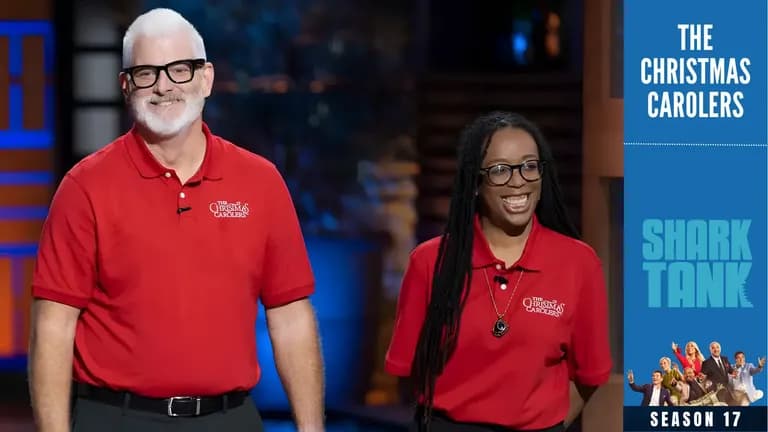
Someone has to get the roses onto the terrace, tell the photographer where to stand and keep the person being proposed to from arriving ten minutes early. The Yes Girls sells that work. When Riley and Joe Canty asked the Sharks for $85,000, the question was whether a business built around highly personal events could make enough of the process repeatable to interest an investor.
They left without a deal. Couples can still book the service, and the company’s online quote builder makes it possible to examine the business more closely than a photograph of the finished proposal ever could. It separates the planner’s work from the money going to venues and vendors. That distinction matters both to the person paying for a proposal and to anyone trying to put a value on the company.
No deal
Tank outcome
The couple asked for $85,000 for 15%.
2008
Company origin
Heather Vaughn founded the business.
Booking
Current status
Customers can request a design and quote online.
Product snapshot
| Field | Details |
|---|---|
| Company | The Yes Girls |
| Founder or founding team | Heather Vaughn founded the company; owner Riley Canty pitched with her husband, Joe. |
| Product | Marriage proposal design and on-site event coordination |
| Industry | Event planning |
| Shark Tank episode | Season 17, Episode 11 • January 28, 2026 |
| Current status | Taking inquiries and quoting proposal packages |
What does a proposal planner actually do?
The company’s portfolio shows the finished scene: a rose heart at sunset in Maui, or a candlelit terrace in New York. The work starts considerably earlier. A client chooses a location and a design or asks the team to build one around the relationship. A coordinator manages setup, cues and cleanup. That last detail is easy to overlook: a customer can take their partner to dinner afterward without returning to take down a floral arrangement.
A signature design gives the couple a starting point. With a custom booking, the team develops two original concepts and builds out the one the client selects. Southern California customers can also choose reusable faux floral designs. The distinction is practical: a florist can source fresh stems near a distant venue; the company’s own faux collection is based in Southern California.
Who built The Yes Girls?
Although Riley and Joe represented the business on television, the company’s team page names Heather Vaughn as founder and Riley Canty as owner and CEO. The Yes Girls dates its work to 2008. Crediting the right people changes how the pitch reads: the Cantys brought an established service to television, with a portfolio and a team already in place.
The team lists multiple planners. That gives customers a point of contact beyond the person they saw on television, and it matters for a service whose bookings can fall on the same evening in different cities.
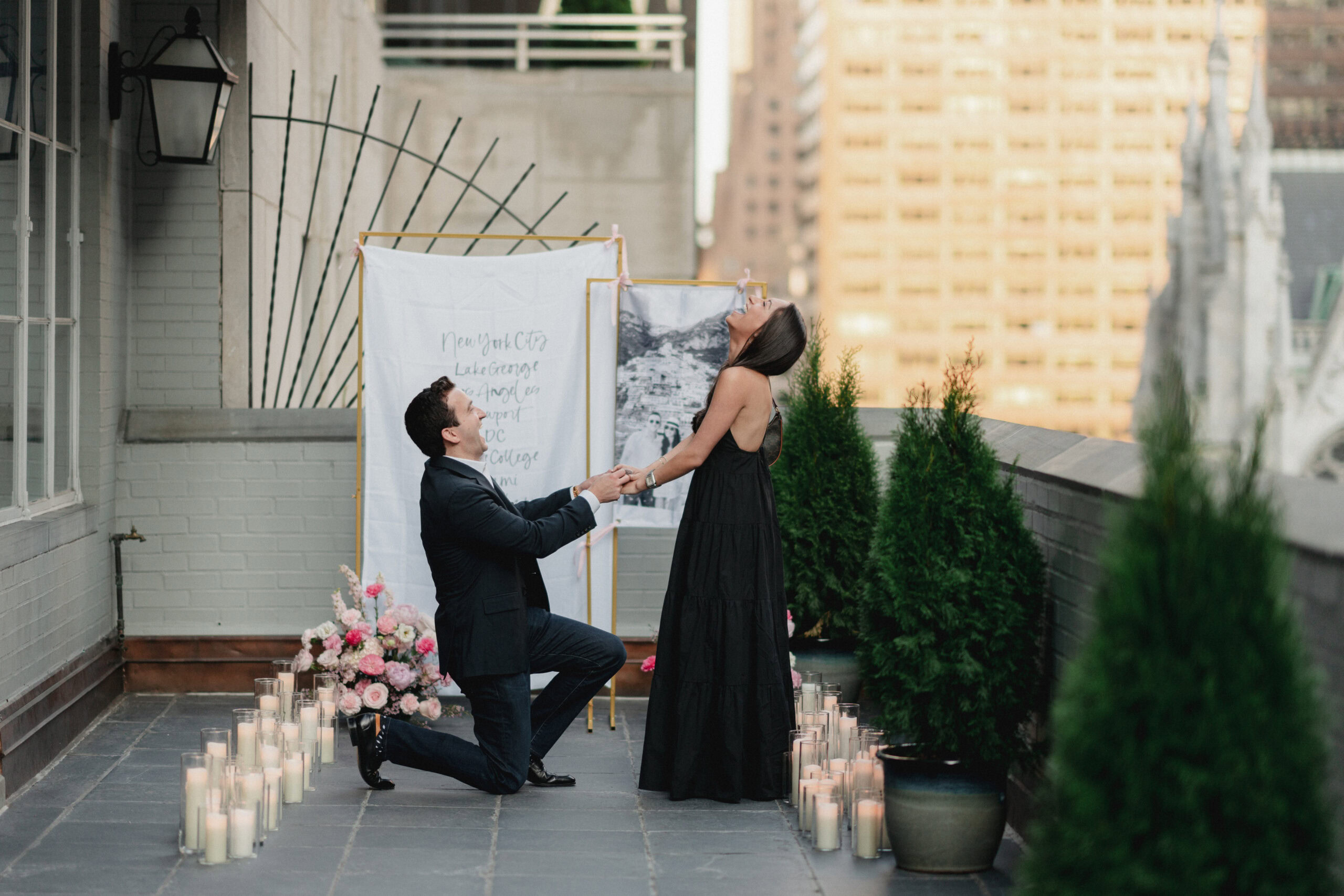
A terrace proposal at The Solarium. Photo: The Yes Girls portfolio.
“Pick a design. See your total.” — The Yes Girls’ proposal builder
What happened to The Yes Girls on Shark Tank?
In the episode account, Riley and Joe asked for $85,000 in return for 15%. That implies a post-investment equity value of about $566,667. It was their opening price for a stake in the business. No investor accepted it, so the number never became a transaction price.
The service presents an unusual investment question. A photograph can demonstrate what the couple received. It cannot show how many paid hours went into finding a venue, how much of the customer’s bill passed through to a florist, or how often the same setup can be reused. Those are business questions suggested by the model; they should not be mistaken for attributed remarks from individual Sharks.
Deal snapshot
| Negotiation point | What the evidence supports |
|---|---|
| Pitch team | Riley and Joe Canty |
| Asked | $85,000 for 15% |
| Implied post-money value | Approximately $566,667 |
| On-air result | No deal |
Why an $8,000 proposal is not $8,000 in planning income
The 2026 quote builder allows a customer to compare the total cost of the day with the planning fee. A venue can be paid directly. Local flowers and production costs belong to the event budget, but that does not make all the money the planner’s earnings. The same caution applies to the company’s advertised starting price for custom proposals: $8,000 describes the project a client is considering, not the profit on that booking.
The catalog offers a way to sell some design work more than once. If customers in Southern California like a signature arrangement, planners can start with known materials and a familiar setup. A bespoke destination event might command a higher price, but venue scouting and coordination can also consume more hours. The public pricing tool explains the tradeoff without disclosing margins.
Business model snapshot
| Business question | Answer |
|---|---|
| What does the client buy? | Design, planning and execution of an event. |
| Who else may be paid? | Venue, floral, photography and other service providers. |
| What can be reused? | Signature designs and, locally, faux florals. |
| What remains unknown? | Profit per booking, customer acquisition costs and annual earnings. |
What happened after Shark Tank?
Latest update — November 12, 2026. The Yes Girls lists planning staff, shows completed events and accepts inquiries through its proposal builder.
The company describes more than 6,000 proposals on its homepage. That is a cumulative company claim, not a count of new bookings since the broadcast. The quote builder is stronger evidence for a narrower question: whether someone interested in hiring the company can actually start the process today. It lays out options, identifies which prices are estimates and explains how a client reserves a date.
Current status evidence
| Evidence | What it establishes |
|---|---|
| Public proposal builder | Shows a functioning path from design selection to requesting an invoice. |
| Named team and portfolio | Identifies the owner, planners and examples of completed work. |
| Company-reported proposal total | Suggests the scale of past work; does not establish recent revenue. |
Company timeline
| Date | Milestone |
|---|---|
| 2008 | The company traces its launch to founder Heather Vaughn. |
| January 28, 2026 | Riley and Joe Canty appeared on Season 17 and left without a deal. |
| November 2026 | Signature and custom planning options are listed online. |
How do you book, and what should you check first?
Start with the region, then compare a signature design with a custom quote. The builder lists a $499 deposit to begin designing a custom proposal. It also says the date is reserved once the deposit is paid; completing the online selection form alone does not secure it. Vendor figures are estimates until confirmed. A customer comparing two packages should check whether both include photography, who pays the venue, and which expenses would still be due if weather forced a change of plan.
For a couple who already has a meaningful venue and friends willing to help, hiring a planner may solve very little. For a traveler proposing in an unfamiliar city, or someone organizing a surprise with several vendors, paying one person to coordinate timing can be the main reason to book.
What can founders learn from The Yes Girls?
The clearest sales tool in this business might be the line separating the planning fee from the total event spend. It helps a customer see where the money goes. It also gives an investor a better starting point: compare fees earned with the hours and resources needed to deliver each design. A gallery can win the inquiry; disciplined booking economics determine what that inquiry is worth.
The practical lesson for a service founder is to choose which decisions belong to the client and which can be standardized behind the scenes. The spot where someone gets down on one knee can feel specific to that couple even if the team uses the same setup checklist on every job.
The Season 17 episode guide lists the other pitches. Readers following how other businesses price shared experiences can also find Makers Social, Street FC, SOMNIA+.
Frequently asked questions
Did The Yes Girls get a Shark Tank deal? No. Riley and Joe Canty left without an investment.
Who founded The Yes Girls? The company credits Heather Vaughn and identifies Riley Canty as its current owner and CEO.
Does the company only plan proposals in California? No. It offers planning nationwide and abroad. Its in-house faux floral option is limited to Southern California.
What do custom proposals cost? The builder lists a starting price of $8,000. The final quote depends on location, design and vendors.
Does submitting the online form reserve the date? No. The company says it sends an invoice and reserves the date once the deposit is paid.
The weekly question
From obsession to clarity — one original question every week.
We answer one noisy topic at a time, in full. No daily roundup, no thread bait — just the question, the principles, and the system.