
Nude Foods Market After Shark Tank: Why the Grocery Deal Didn’t Close
Rachel Irons and Verity Noble accepted $250,000 for 20% on TV, then declined the investment. Their Colorado stores still make a business out of returning jars.
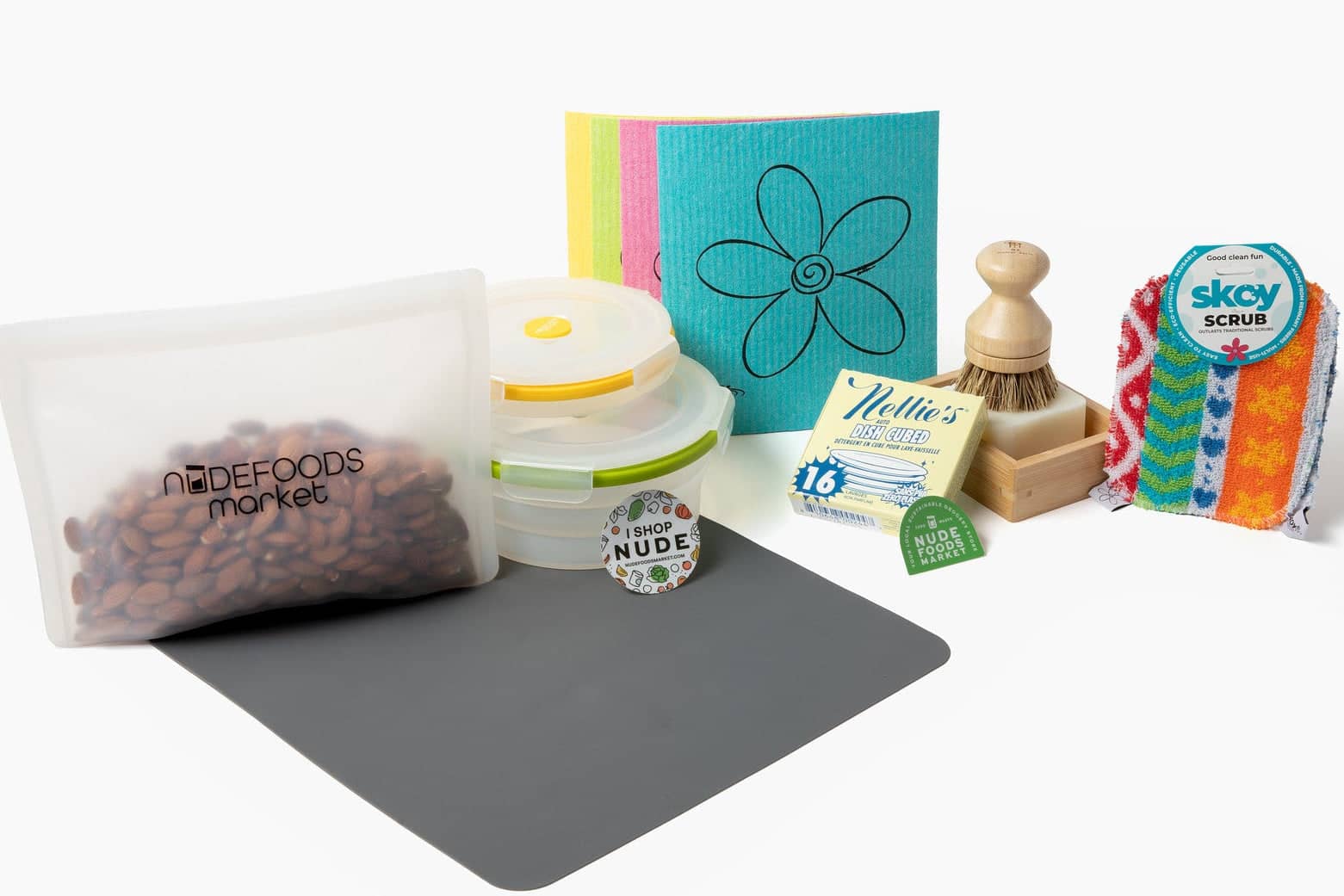
Most grocery stores stop thinking about a jar once it has been scanned at checkout. At Nude Foods Market, the trip back is part of the business. The customer takes food home, returns the container for credit and puts the jar back into circulation. Every return saves a new container only if the store can collect, wash and refill it efficiently.
Rachel Irons and Verity Noble persuaded Robert Herjavec and Kevin O’Leary to offer $250,000 for 20% of the company. They accepted on television. A month later, local reporting established the more consequential update: the founders had decided against taking the money. Nude Foods is a useful case precisely because the successful pitch and the completed investment have different answers.
On-air deal
Pitch outcome
$250,000 for 20% on air; the founders later declined to close.
$250,000 for 5%
Opening ask
Terms sought on Shark Tank.
Two cities
Product detail
The market serves Boulder and Denver, Colorado.
Product snapshot
| Field | Details |
|---|---|
| Company | Nude Foods Market |
| Founder or founding team | Rachel Irons and Verity Noble pitched the business. |
| Product | Groceries and household supplies in returnable jars and sustainable packaging |
| Industry | Grocery retail |
| Shark Tank episode | Season 17, Episode 13 • March 11, 2026 |
| Current status | Nude Foods Market lists Colorado shopping options. |
How does Nude Foods Market work?
The market’s episode page describes groceries sold in reusable or sustainable containers. Customers choose already-filled jars rather than weighing every item into a container brought from home. They receive credit for eligible jars returned to the store. Prepacking makes the shopping trip familiar, but transfers work to the retailer: the jars must be collected, cleaned, checked and filled again.
A Denver farmers market vendor profile identifies stores in Boulder and Denver. Geography is particularly important for this model. A jar brought back on the next routine shopping trip is much easier to recover economically than one that must be shipped individually across the country.
Who built Nude Foods Market?
When a planned store opening ran into the constraints of 2020, the team used bicycle delivery and reusable jars in Boulder. Pitch reporting describes the operation starting from partially remodeled kitchen space. The delivery route tested more than demand for groceries: it gave the founders practice with the return trip before they had a full store to run.
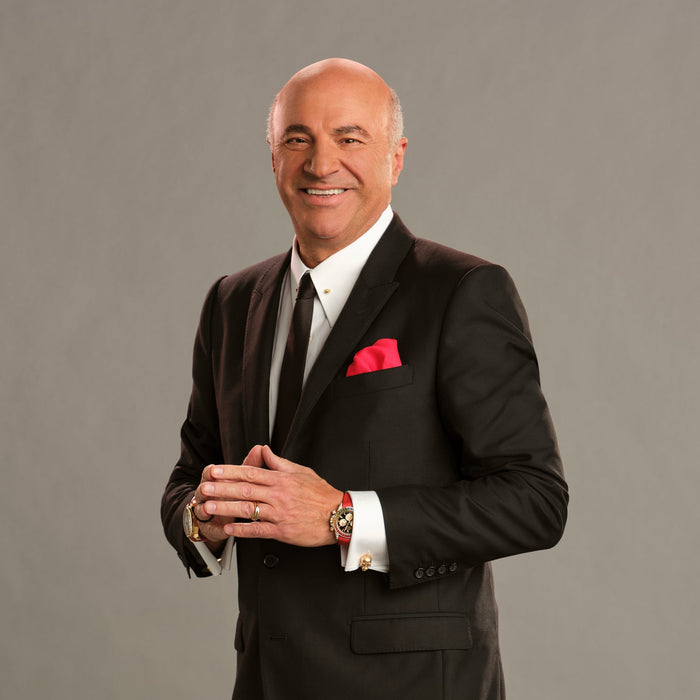
Kevin O’Leary, pictured on Nude Foods Market’s episode page.
“That’s actually very good sales!” — Allison Ellsworth, as quoted on Nude Foods Market’s episode page.
What happened to Nude Foods Market on Shark Tank?
Irons and Noble offered 5% for $250,000, a $5 million post-money ask. They described about $1.8 million in annual sales at the first, roughly 2,500-square-foot store. That works out to approximately $720 per square foot using the figures discussed, a more useful starting point for comparing stores than a cumulative sales number. It is still revenue, before wages, rent, spoilage and container handling.
Herjavec and O’Leary offered the same investment for a combined 20%. Both sides agreed on television, implying $1.25 million post-money. On April 9, BusinessDen reported that the founders had elected not to close and were seeking angel investment instead. Episode reporting.
Deal snapshot
| Negotiation point | What the evidence supports |
|---|---|
| Asked | $250,000 for 5% |
| On-air outcome | $250,000 for 20% on air; the founders later declined to close. |
| Investors shown | Robert Herjavec and Kevin O’Leary, splitting the offer equally. |
| After due diligence | Founders chose not to take the investment; reported April 9, 2026. |
What makes a reusable jar financially useful?
The relevant unit is not a jar purchased. It is a jar successfully returned, cleaned and used again. If one container completes many trips, its acquisition cost is spread over those uses. If customers keep it at home, the store needs another jar and loses part of that advantage. Credit on return gives customers a reason to bring containers back, while a convenient store visit gives them a realistic opportunity.
The store also prepares some products itself. That gives it control over quantities and packaging, but adds kitchen labor and spoilage risk. The commercial question is whether enough regular households live within convenient reach of each store to keep shelves and containers turning at a healthy pace.
Business model snapshot
| Business question | Answer |
|---|---|
| Product | Groceries and household supplies in returnable jars and sustainable packaging |
| Sales channel | Colorado stores, local delivery and market participation. |
| Buyer decision | Compare the price of the food separately from credit on returned containers. |
| Business question | How many profitable trips can each jar make? |
What happened after Shark Tank?
Latest update — November 12, 2026. The televised investment did not close. BusinessDen’s April follow-up establishes that the founders opted out.
The local vendor profile documents the return-credit model and identifies the two cities. Together those records resolve two questions: the business continued, and the Sharks’ investment did not. They do not establish whether the founders subsequently raised the same amount from another investor.
Current status evidence
| Evidence | What it establishes |
|---|---|
| Official offering | Nude Foods Market lists Colorado shopping options. |
| Pitch evidence | $250,000 for 20% on air; the founders later declined to close. |
| What is still unknown | Terms or completion of any later angel financing. |
Company timeline
| Date | Milestone |
|---|---|
| 2020 | The founders started delivering groceries in reusable jars in Boulder. |
| March 11, 2026 | Two Sharks offered $250,000 for 20%; the founders agreed on air. |
| April 9, 2026 | BusinessDen reported the founders would not complete the transaction. |
| November 2026 | The market continues to describe shopping and jar returns in Colorado. |
What should a buyer check?
For a first visit, choose a few staples your household already buys and keep track of the food price, container credit and return routine separately. A convenient second visit matters more than buying a large quantity on the first. Check the market’s current rules for eligible containers before bringing in jars from other brands.
What can founders learn from Nude Foods Market?
Treat the return journey as part of the product. A jar-reuse business needs a shopping habit that brings containers back, just as a delivery company needs routes dense enough to justify each stop. The investment lesson is equally concrete: an offer accepted on television is evidence of terms discussed. A dated, local follow-up can establish what happened when the parties sat down afterward.
The Season 17 episode guide lists the other pitches. Readers following other businesses from Season 17 can also find Hot Girl Soda, Paco & Pepper, CRANEL.
Frequently asked questions
Did Nude Foods Market get a deal? Yes on television; no completed investment. The founders later declined to close.
Which Sharks made the offer? Robert Herjavec and Kevin O’Leary.
How much ownership did the founders originally offer? 5% for $250,000.
Where does Nude Foods Market operate? Its public market profile identifies Boulder and Denver, Colorado.
What do shoppers do with the jars? Return eligible containers for credit so the market can clean and reuse them.
The weekly question
From obsession to clarity — one original question every week.
We answer one noisy topic at a time, in full. No daily roundup, no thread bait — just the question, the principles, and the system.
More from Shark Tank USA Season 17
All season pitches
Shark Tank USA
The Christmas Carolers After Shark Tank: Barbara’s 60% Deal, Expansion and Current Status
Shark Tank USA
pi00a After Shark Tank: How the Stein Family Took Deaf-Owned Pizza From Restaurant to Freezer
Shark Tank USA