
Paco & Pepper After Shark Tank: Why a $2 Royalty Mattered to This Cat Litter Brand
Kristina Drobach rejected a Shark Tank offer for her olive-pit litter. A look at the price of shipping each bag helps explain the decision.
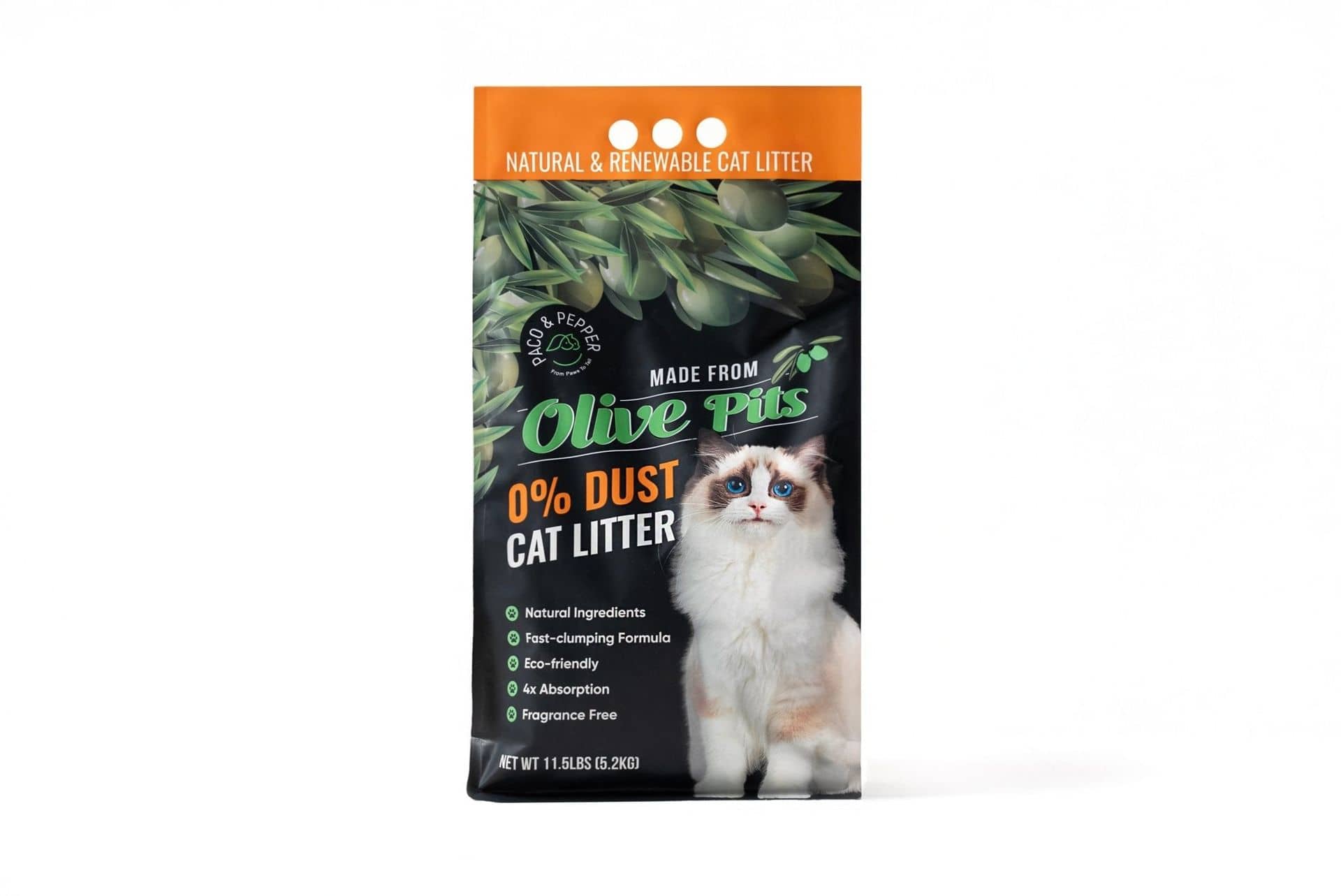
A bag of cat litter has to make two journeys. The first is from the factory to a customer or a store, where its weight determines a significant part of the cost. The second is into a litter box, where the cat gets the deciding vote on whether anybody buys another bag. Paco & Pepper changed the ingredient at the center of both journeys: it turns a byproduct of olive processing into litter.
Founder Kristina Drobach came to Shark Tank seeking $300,000 for 5% of the business. She received an offer, but the cost included a payment on each unit sold. For a company that already has to move an 11.5-pound bag, two dollars a unit is a different commitment from giving away another few points of ownership.
No deal
On-air outcome
Drobach declined Kevin O’Leary’s offer.
$300,000 for 5%
Opening ask
The ask implied a $6 million post-money value.
11.5 pounds
Bag size
The company estimates a bag lasts one cat about a month.
Product snapshot
| Field | Details |
|---|---|
| Company | Paco & Pepper |
| Founder or founding team | Kristina Drobach |
| Product | Cat litter made from upcycled olive pits |
| Industry | Pet supplies |
| Shark Tank episode | Season 17, Episode 12 • March 4, 2026 |
| Current status | The company lists litter online and identifies retail partners. |
How do olive pits become cat litter?
Paco & Pepper uses crushed pits left over from processing olives. Its product and sourcing account describes a clumping litter and advises putting a layer two to three inches deep in the box. The brand positions the granules as an alternative to traditional clay for households concerned about dust and added fragrance.
A material’s origin can get a shopper’s attention. Its behavior in the box determines whether they keep using it. A household switching products can observe how readily its cat accepts the texture, how well the litter scoops and how much needs topping up. Those observations are more informative than comparing two bags by weight alone.
Who built Paco & Pepper?
Drobach’s pitch placed a familiar category alongside an unfamiliar raw material. Cat owners already know what litter does; the work of introducing Paco & Pepper was explaining why olive pits might do that job differently. The company had begun selling directly and building retail distribution before she appeared. That made the pitch a discussion about financing a business with actual purchasing history, rather than finding out whether anyone would try the idea.
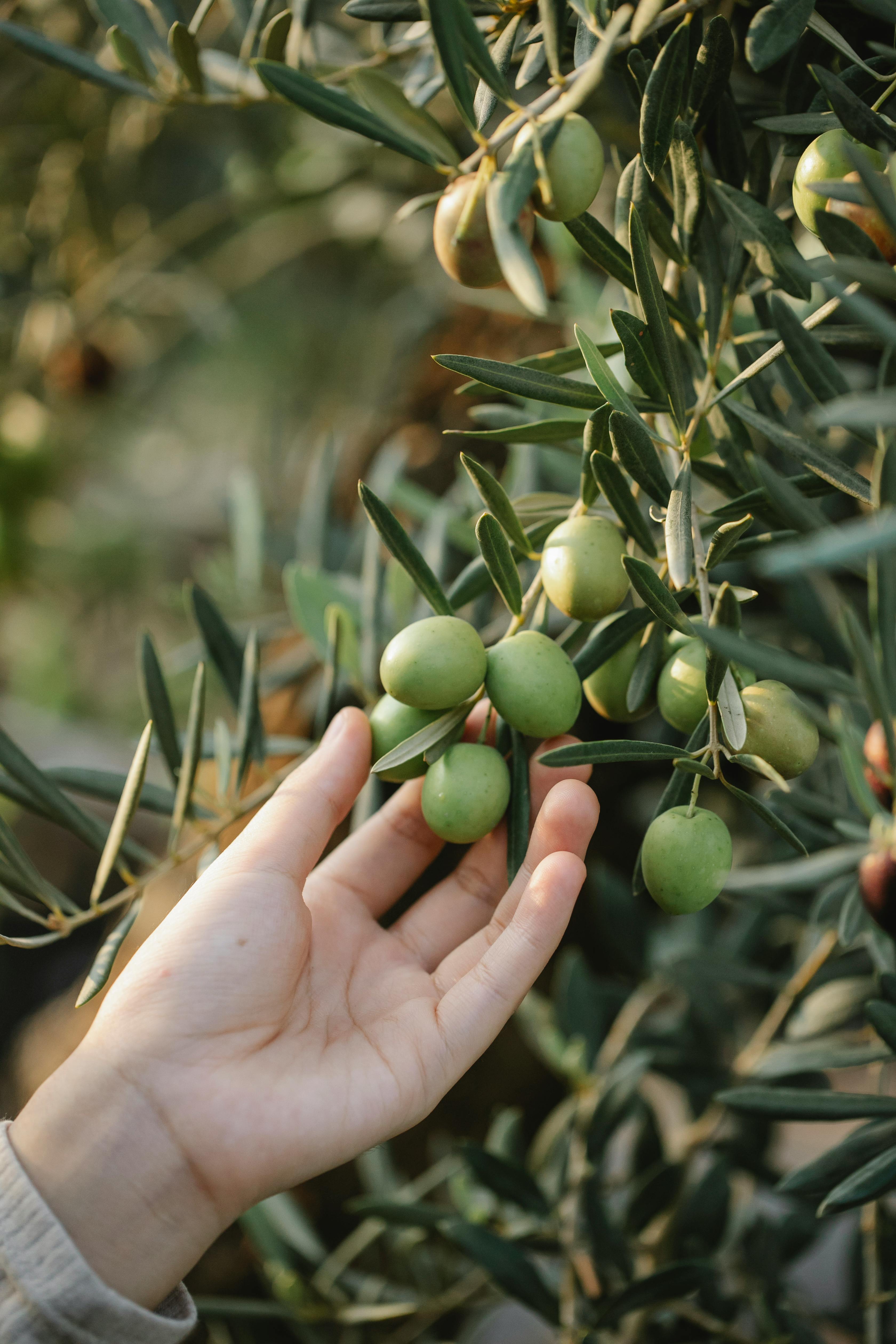
Olives from the company’s sourcing story. Source: Paco & Pepper.
“One bag lasts about a month for one cat” — Paco & Pepper’s usage estimate.
What happened to Paco & Pepper on Shark Tank?
Episode reporting places first-year sales above $1.1 million. The figures discussed for a bag were $20.99 plus a $2.99 customer shipping charge and a $6.87 landed cost. Landed cost is not the cost of completing a sale: delivery to a household, payment processing, advertising and returns can all come later.
Kevin O’Leary proposed $300,000 for 20% with a $2 royalty per unit. The equity alone would have been four times what Drobach offered. At the quoted item price the royalty would consume roughly 9.5% of each bag’s retail price, even before considering wholesale discounts. Drobach rejected the terms. This calculation illustrates the offer; it does not claim the brand’s actual profit per bag.
Deal snapshot
| Negotiation point | What the evidence supports |
|---|---|
| Ask | $300,000 for 5% |
| Offer reported | $300,000 for 20% plus $2 per unit from Kevin O’Leary |
| Decision | Declined |
| Result | No Shark investment agreed on air |
When repeat purchases meet the cost of freight
Litter is attractive to a seller because customers need to replace it. A consistently satisfied household can order more without being introduced to the brand all over again. But each repeat order is another heavy shipment. The direct model gives the brand control over the customer relationship while leaving it responsible for getting the bag to the doorstep.
Retail distribution changes that equation. A pet owner can put a bag into a cart during an existing trip, and the supplier can send many units to one destination. In exchange the retailer needs its margin. That makes a fixed per-bag royalty especially consequential: it does not get smaller simply because the supplier sold through a lower-priced wholesale channel.
Business model snapshot
| Business question | Answer |
|---|---|
| Recurring need | Litter is replenished as it is used. |
| Direct channel | Company sells to customers through its store. |
| Retail channel | Brand identifies Target and other outlets; availability depends on location. |
| Key variable | Delivered cost per bag compared with customer retention. |
What happened after Shark Tank?
Latest update — November 12, 2026. Paco & Pepper’s catalog lists its olive-pit product, and the company’s website identifies retail outlets. That supports continued operations after the no-deal appearance.
The first-year revenue figure gives useful historical scale, but current financial statements are not available from the retailer list or product page. Similarly, a retailer’s name on the brand site tells shoppers where to look; it does not establish that every location has the product on the shelf today.
Current status evidence
| Evidence | What it establishes |
|---|---|
| Official catalog | Shows an active offer for olive-pit litter. |
| Founder pitch reporting | Documents the proposed royalty and decision to walk away. |
| Retail information | Identifies shopping channels, not guaranteed stock at a particular store. |
Company timeline
| Date | Milestone |
|---|---|
| Before broadcast | Paco & Pepper launched its olive-pit litter and began selling online and through retailers. |
| March 4, 2026 | Drobach pitched in Episode 12 and declined O’Leary’s offer. |
| November 2026 | The brand continues to market the litter online. |
How should cat owners compare the cost?
Compare the delivered price with the length of time a bag actually lasts in your own home. The brand’s one-cat estimate is a starting point, not a guarantee. More than one cat, a large box or frequent complete changes can alter the math. Someone trying the product for the first time may find a single bag more useful than a discounted commitment to several.
A shopper who normally buys clay litter locally should also compare local prices with the full checkout total online. Different shipping offers and retailer promotions can change which option makes sense without changing the product itself.
What can founders learn from Paco & Pepper?
A royalty is easy to underestimate when everyone at the table is discussing percentages of equity. Convert the royalty into dollars at the sales volume you expect, then repeat the calculation using your least profitable channel. At 10,000 units a $2 royalty is $20,000 regardless of whether those bags went directly to consumers or through retailers. That difference is exactly why founders of heavy, repeat-purchase products need to know what remains after delivery.
The Season 17 episode guide lists the other pitches. Readers following the other Episode 12 investment decisions can also find CRANEL, The Chair Blanket, BRCĒ.
Frequently asked questions
Did Paco & Pepper receive a deal? No. Drobach declined an offer.
What is the litter made of? Its main material is crushed olive pits.
What did Kevin O’Leary propose? Reports describe $300,000 for 20% plus a $2 per-unit royalty.
How heavy is a bag? The brand lists an 11.5-pound bag.
Is Paco & Pepper still in business? Its official catalog and retailer information remain active.
The weekly question
From obsession to clarity — one original question every week.
We answer one noisy topic at a time, in full. No daily roundup, no thread bait — just the question, the principles, and the system.
More from Shark Tank USA Season 17
All season pitches
Shark Tank USA
The Christmas Carolers After Shark Tank: Barbara’s 60% Deal, Expansion and Current Status
Shark Tank USA
pi00a After Shark Tank: How the Stein Family Took Deaf-Owned Pizza From Restaurant to Freezer
Shark Tank USA