Mr. Poncho Shark Tank Update: What Happened to the Device Sleeve?
Mr. Poncho offered a sleeve and earphone-cord organizer. Here's the no-deal pitch, reported discontinuation and what is known about the founders.

Pulling a music player out of a bag once often meant pulling out a knot of earphone cable with it. Mr. Poncho combined a device sleeve with a place to wrap that cable, addressing a small inconvenience with a compact accessory.
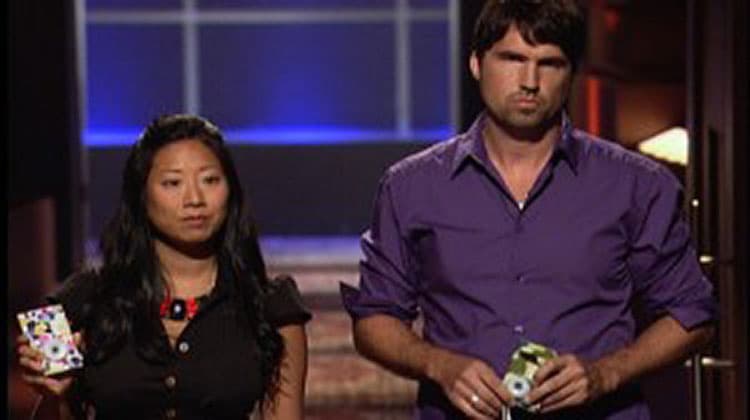
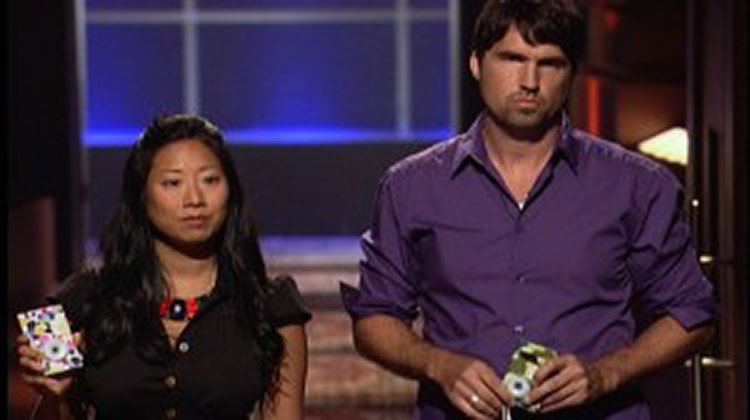
Sandy Hyun and Roman Pietrs brought the handmade product to Shark Tank in Season 1. Their pitch was easy to understand visually: protect the device and keep its wired earphones together. Turning that idea into a larger business was the harder question.
The pair did not secure an investment. Later sources describe the brand as inactive or out of business, but a clear primary shutdown announcement has not been established. It would be misleading to fill that gap with a precise date or an assumed cause.
The founders' other creative work also needs to be distinguished from Mr. Poncho itself. A jewelry website associated with Hyun is not evidence that the phone-sleeve brand relaunched. The original pitch is included in our Shark Tank USA Season 1 guide.
Quick answer: What happened to Mr. Poncho?
Sandy Hyun and Roman Pietrs asked for $50,000 for 25% of Mr. Poncho, a handmade sleeve for mobile devices with a feature for storing wired earphones. The Sharks declined to invest. Later business summaries describe Mr. Poncho as inactive or out of business, and this review did not verify a current authorized product catalog. The exact shutdown date, final production volume and financial outcome remain unconfirmed. Hyun's separate jewelry site is accessible, but it should not be treated as a continuation of the sleeve business. Current status: Mr. Poncho is reported discontinued, with no verified current retail operation or relaunch established here.
Shark Tank / ABC, via Shark Tank Blog.
What was Mr. Poncho?
Mr. Poncho was a fabric sleeve for a phone or music player, combined with a cord-wrapping feature. Its purpose was to keep the device and its wired earphones together in a more orderly package.
The pitch account describes the founders making the products themselves. That handmade approach gave the business a clear starting point, but also raised questions about how production would change if demand increased.
| Element | Intended function |
|---|---|
| Fabric sleeve | Covered the device |
| Cord-wrapping feature | Provided a place to organize earphone wire |
| Combined accessory | Kept the device and earphones together |
| Decorative fabric | Added a visual design choice |
This was an accessory for carrying and organizing a device, not an electronic product. It did not change how the phone or music player processed sound.
The word “protective” should also be read in context. A fabric sleeve is not automatically a tested impact-resistant case, and this review does not establish a drop-protection rating.
What happened in the Shark Tank pitch?
Hyun and Pietrs requested $50,000 for 25%. No Shark accepted the proposal.
| Pitch detail | Result |
|---|---|
| Presenters | Sandy Hyun and Roman Pietrs |
| Season | Shark Tank USA Season 1 |
| Investment requested | $50,000 |
| Equity offered | 25% |
| Implied asking valuation | $200,000 |
| Outcome | No deal |
Shark Tank Blog's product account describes concerns about protection of the central design element and the prospects for larger-scale production.
Those concerns belong to the pitch history. They are not a substitute for a search of later patent records, and this article does not claim that the founders never obtained any intellectual-property rights of any kind.
The $200,000 figure is the valuation implied by their request. It does not establish a current company value or either founder's wealth.
What was the business challenge?
Mr. Poncho combined a familiar object with a convenience feature. That made it easy to demonstrate, but the business still needed to support production, pricing and distribution.
A handmade item can work at a small scale while requiring a different process to supply many retailers. Moving to that process is not just a matter of finding more customers.
| Question | Why it mattered |
|---|---|
| Could production scale? | More orders would require more time or a different manufacturing arrangement |
| What made the design distinctive? | Investors wanted a reason competitors could not easily offer a similar solution |
| Which devices would fit? | A sleeve must match the item it is intended to carry |
| How would customers find it? | A small accessory still needs a practical route to buyers |
These are business considerations, not a reconstruction of costs that the founders did not publicly disclose.
The comparison with Throx is useful. Both Season 1 pitches used a simple everyday inconvenience as their hook. A clear explanation can attract attention, but it does not settle an investor's questions about scale and differentiation.
What happened after Shark Tank?
Latest supported status: Retrospective sources describe Mr. Poncho as out of business. No current authorized catalog or verified relaunch was established. The available record does not support a precise shutdown year or a single confirmed cause.
Later reports describe an inactive brand
The Shark Tank Companies profile labels Mr. Poncho out of business. Other retrospective accounts similarly describe the project as having ended.
That supports reporting the brand as discontinued with attribution. It does not establish the date when manufacturing stopped, the last order shipped or the legal business ended.
Those can be different events. An accessory may stop being produced while remaining stock is still sold, and a founder may continue working in another field after a product line ends.
There is no verified current buying channel
This review did not locate an active authorized Mr. Poncho catalog. Historical pictures and reviews therefore should not be presented as current stock information.
The absence of a verified store also limits what can be said about present product compatibility. A sleeve made for devices sold during the original pitch cannot be assumed to fit a current phone.
No relaunch was established, and no modern accessory is treated as the same brand solely because it serves a similar purpose.
Sandy Hyun has a separate jewelry presence
Sandy Hyun's website presents jewelry categories including rings, necklaces, earrings and bracelets. That is directly observable evidence of a separate creative retail presence.
It does not prove that she returned to manufacturing Mr. Poncho. The connection between a founder and multiple projects should not erase the distinction between those projects.
The original research also pointed toward later design work by Roman Pietrs, but a current primary page could not be verified during this review. This article therefore does not assign him a present role based on an inaccessible page.
The outcome should not be blamed on an unverified trend
It may be tempting to explain the brand's end through changes in phones or earphones. But a plausible industry trend is not evidence of why these founders stopped selling this particular product.
Without a direct founder account or reliable contemporaneous reporting, that explanation remains speculation. The same applies to claims that a patent issue alone caused the closure.
| Question | What is established |
|---|---|
| Was a Shark investment accepted? | No |
| Is the brand later reported inactive? | Yes |
| Is an exact closure date confirmed? | No |
| Is a current authorized store verified? | No |
| Does founder activity elsewhere prove a relaunch? | No |
The Bobble Place offers a different outcome from the same season: its connected current company explicitly identifies the relationship to the pitch. Comparable first-party evidence of a Mr. Poncho relaunch was not found.
Can you still buy Mr. Poncho?
There is no verified current official sales route to recommend from this review. Any secondhand or remaining-stock item should be assessed individually for its condition, dimensions and contents.
An old accessory listing does not establish continuing production, a warranty or current support. It also should not be confused with unrelated rainwear or products sharing the word “poncho.”
The current evidence is enough for a historical company update, but not for a claim that a particular item can be ordered and delivered today.
What can founders learn from Mr. Poncho?
A small problem can produce a memorable product. The next step is showing how that product becomes a repeatable business: how it is made, why buyers choose it and how it reaches them.
The pitch also illustrates why investors may focus on control over the distinctive part of a design. That is a business question about competitive advantage, separate from whether the product is useful to its existing customers.
The later history is a reminder to leave gaps visible. A product can be reported discontinued without a writer knowing every event that led to its end.
Frequently asked questions
Who created Mr. Poncho?
Sandy Hyun and Roman Pietrs created and pitched the device sleeve.
What problem did it address?
It combined a carrying sleeve with a way to organize wired earphone cables.
How much did they ask for?
They requested $50,000 for 25%.
Did Mr. Poncho get a Shark Tank deal?
No. The pitch ended without an investment.
Is Mr. Poncho still operating?
Later profiles describe the brand as out of business. A current authorized catalog was not verified.
When did Mr. Poncho close?
A reliable primary closure date was not established. This update does not present a speculative year as fact.
The weekly question
From obsession to clarity — one original question every week.
We answer one noisy topic at a time, in full. No daily roundup, no thread bait — just the question, the principles, and the system.