50 State Capitals in 50 Minutes Shark Tank Update: Where Is It Now?
Ken Bradford left Shark Tank without a deal. See the verified pitch terms, the card deck’s later listings, and what remains unknown today.

Remembering a list of state capitals is one thing; keeping those names straight after a lesson is another. Ken Bradford’s 50 State Capitals in 50 Minutes tried to make the task more memorable with illustrated cards and word associations.
The product reached Shark Tank early in its commercial life. Bradford could explain the learning idea, but the pitch did not establish the level of customer demand the Sharks wanted. He left without a deal.
What happened afterward is less clear. Historical reports described the deck as available on Amazon. More recent reporting notes unavailable stock and a limited online presence. Neither an old listing nor a recap’s status label is enough to establish a precise closure date.
The useful update is therefore a focused one: what the product was intended to do, what Bradford requested, and what the available record actually establishes about its later availability.
Quick answer: Ken Bradford sought $155,000 for 10% of 50 State Capitals in 50 Minutes and received no investment in Shark Tank Season 1, Episode 3. Also called 50 State Capitals in 50 Fun Minutes, the illustrated deck used memory associations to teach geography. Historical sources reported online sales listings after the show, but current order fulfillment and ongoing commercial activity were not verified. There is no dependable current revenue or net-worth figure to report. Current status: product history is documented; present-day availability and business operations remain unverified.
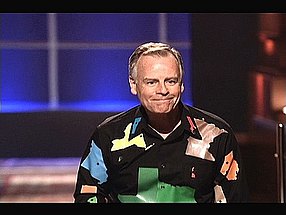
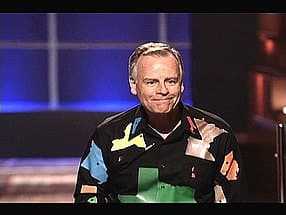
Ken Bradford during his Shark Tank appearance. Image: ABC, via Shark Tank Blog.
What was 50 State Capitals in 50 Minutes?
The product was a geography flash-card system. It used illustrations and associations to make state-capital pairs easier to remember.
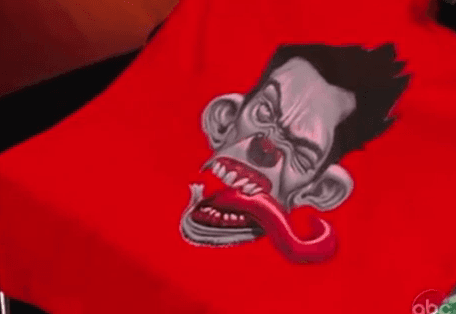
ABC’s official Episode 3 product directory describes the approach in terms of visuals, phonetics, rhymes, humor, and association. It also uses the longer name, 50 State Capitals in 50 Fun Minutes.
| Product snapshot | Details |
|---|---|
| Founder | Ken Bradford |
| Product type | Educational flash cards |
| Subject | U.S. state capitals |
| Other name | 50 State Capitals in 50 Fun Minutes |
| Appearance | Shark Tank USA Season 1, Episode 3 |
The “50 minutes” wording was part of the product’s promise. This update did not verify an independent study establishing that every learner could meet that time target.
The pitch is included in our complete Shark Tank USA Season 1 guide.
What happened during the Shark Tank pitch?
Bradford requested $155,000 for 10% of the business. Shark Tank Blog’s episode recap reports that he had sold only one unit when the pitch was recorded. The Sharks declined to invest.
| Deal snapshot | Result |
|---|---|
| Requested cash | $155,000 |
| Equity offered | 10% |
| Implied asking valuation | $1.55 million |
| Accepted investment | None |
| Shark partner | None |
The valuation is arithmetic based on Bradford’s request. It is not a confirmed sale price, revenue total, or current business value.
At such an early stage, the pitch needed to establish more than whether the cards were understandable. Investors also needed evidence of customers who would pay for them and a practical way to reach those customers.
The result differs from Classroom Jams, another educational pitch from the same season. That business attracted an on-air group offer, but its later commercial history still requires separate evidence. A yes or no in the Tank is only the beginning of an update.
How would the card business make money?
The basic model was to sell a packaged educational product to people interested in learning state capitals. Parents, teachers, and learners were possible customers; a broad institutional rollout was not verified.
The challenge for a single-topic learning product is to show why its format is worth purchasing when buyers can choose other study materials.
| Business question | Evidence that would help answer it |
|---|---|
| Will customers pay for the deck? | Completed purchases beyond an initial demonstration |
| Does the format suit learners? | Feedback from repeated use |
| Can the product be sold profitably? | Production, packaging, distribution, and selling costs |
| Which buyers are most interested? | Sales or trials across clearly defined customer groups |
| Can the business grow? | Repeatable distribution or related products with demonstrated demand |
These are analytical questions, not claims that Bradford completed or failed particular tests after filming.
A memorable demonstration can attract attention. The next business task is converting that attention into purchases at a workable cost.
What happened after Shark Tank?
Latest update — November 17, 2026: Historical coverage records retail listings after the pitch, but this review did not verify a currently fulfilled official ordering route or a primary-source closure announcement.
Historical listings show a post-show presence
Shark Tank Blog’s follow-up described the deck as available on Amazon several years after its appearance. Gazette Review’s historical update also discussed an Amazon listing and customer reviews.
Those reports support a post-show retail presence. Their old price and review count should not be treated as current shopping information.
They also do not establish total sales, profitability, or the length of time production continued.
Current reporting is less conclusive
Shark Tank Recap’s February 2026 update notes an Amazon listing but says the product was unavailable when its writer checked.
An unavailable listing can persist after stock runs out. It cannot, by itself, establish that a legal business has been dissolved or that no old stock exists elsewhere.
This review could not independently confirm a current purchase and delivery route. It therefore avoids both a confident “buy it now” claim and an invented final shutdown date.
| Evidence checkpoint | What it establishes | What it leaves open |
|---|---|---|
| ABC product directory | The product and teaching concept appeared in Episode 3 | Current operations |
| Episode recap | Requested terms and no-deal result | Later financing outside the show |
| Historical retail reporting | The deck had a post-show listing | Total units sold or profit |
| Recent unavailable-stock report | Availability was limited when checked | The status of every possible seller |
| Current review | No dependable fulfillment route verified | Exact closure date and legal status |
Why there is no current net-worth estimate
The business did not receive a Shark investment at the asking valuation. Repeating $1.55 million as its current worth would therefore misrepresent the pitch.
Assigning a zero value would also require evidence that this review does not have. Missing financial data is not a zero on a balance sheet.
The same care is needed with Sticky Note Holder’s later history, where limited public information leaves important details unresolved.
Can you still buy the cards?
A current official ordering route was not verified. If an old or secondhand listing appears, check the product title, completeness, seller, and delivery terms.
The longer title, 50 State Capitals in 50 Fun Minutes, may help distinguish Bradford’s deck from unrelated geography cards. A similar topic or title does not necessarily identify the Shark Tank product.
This update does not recommend an unverified marketplace listing or repeat a historical price as though it were available today.
What can founders learn from the pitch?
The pitch illustrates the gap between demonstrating a learning method and proving a business.
A founder can explain a useful idea convincingly while still needing evidence about buyers, pricing, and distribution. Testing those questions before seeking a large investment can make the commercial proposal clearer.
It also shows why later coverage should be modest about sparse evidence. A short pitch, a historical retail page, and an unavailable listing do not provide enough information to write a detailed financial success or failure story.
Frequently asked questions
Who created 50 State Capitals in 50 Minutes?
Ken Bradford presented the educational card deck on Shark Tank.
How much investment did he request?
He asked for $155,000 for 10% of the business. The aired pitch ended without a deal.
Is 50 State Capitals in 50 Fun Minutes the same product?
Yes. ABC’s episode directory uses that longer name for the same educational product.
Is the product still available?
Historical listings are documented, but a currently fulfilled official sales channel was not verified for this update.
Did the company close?
Current commercial activity is unclear. No primary-source closure announcement or dependable shutdown date was verified.
Was the business worth $1.55 million?
That figure was implied by the requested investment terms. It is not a verified current valuation or a measure of Bradford’s personal wealth.
The weekly question
From obsession to clarity — one original question every week.
We answer one noisy topic at a time, in full. No daily roundup, no thread bait — just the question, the principles, and the system.