You Smell Soap After Shark Tank: Why the Deal Fell Apart
You Smell Soap accepted Robert Herjavec’s offer on Shark Tank, but the investment did not close. Here is the verified story behind the disputed deal.

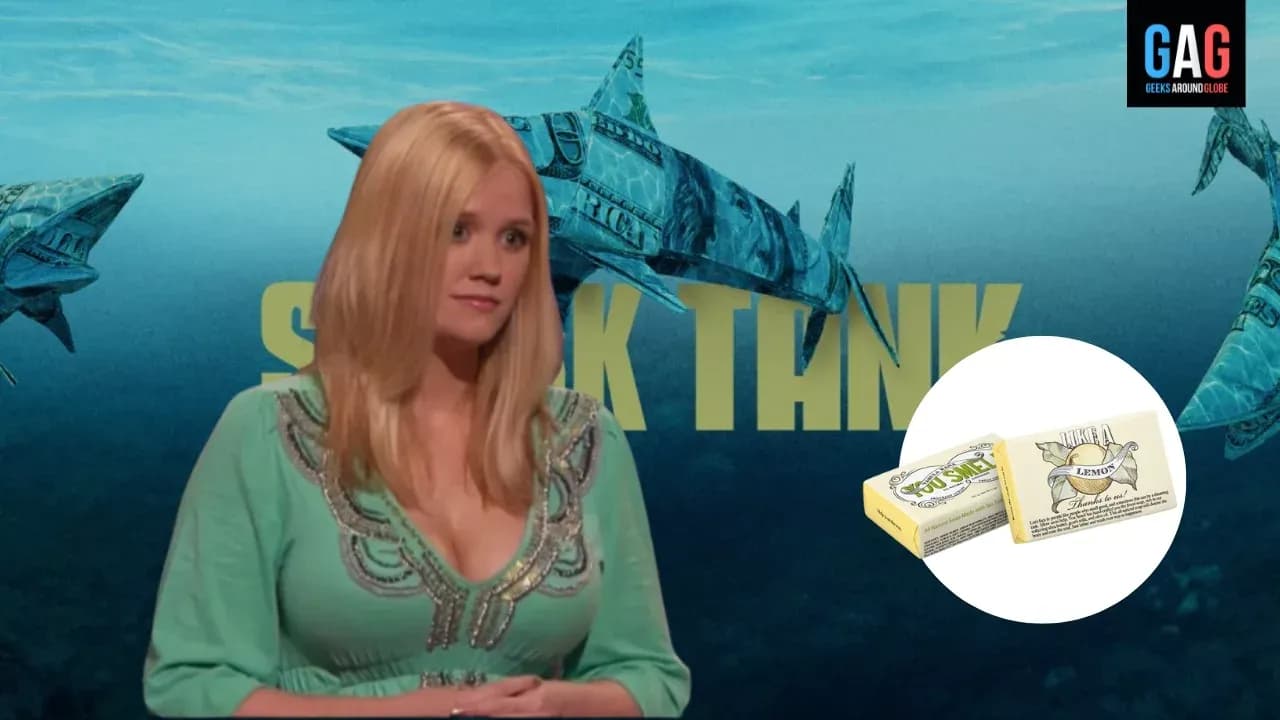
Megan Cummins entered Shark Tank with designer soap, polished packaging and an offer that appeared to give her both investment capital and a year of financial breathing room. She accepted Robert Herjavec's proposal on television, but the investment did not close after filming.
Quick answer: You Smell Soap accepted an on-air offer of $55,000 for 20% equity, plus $50,000 for Cummins' first-year living expenses. Contemporary reporting shows that the parties did not complete the investment. Current sales by the original brand could not be verified.
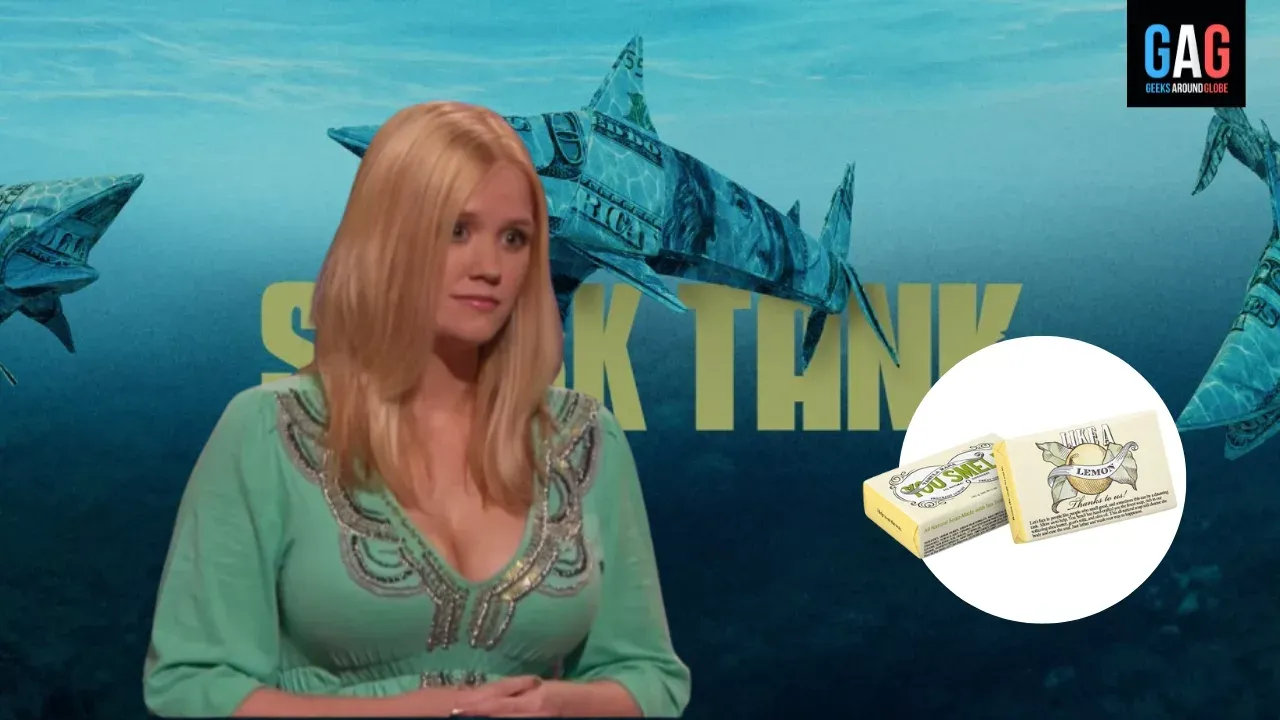
Megan Cummins and You Smell Soap products from the Shark Tank pitch. Photo: ABC/GAG
You Smell Soap at a glance
| Detail | Verified information |
|---|---|
| Founder | Megan Cummins |
| Product | Designer bar soaps and paper soaps |
| Shark Tank season | Season 3 |
| Ask | $55,000 for 20% equity |
| On-air offer accepted | $55,000 for 20%, plus $50,000 for first-year living expenses |
| Shark | Robert Herjavec |
| Investment after filming | Did not close |
| Current status | Original-brand sales not verified |
For Cummins’s education, design career, You Smell’s classroom origins and her later Sparklepop venture, read our Megan Cummins founder profile.
The $275,000 valuation implied by Cummins' original ask is not a current valuation, and it is not her personal net worth. No dependable public records establish current revenue, profit or company value.
You can place the pitch in context with our complete Shark Tank Season 3 product and episode guide.
What was You Smell Soap?
You Smell Soap was positioned as a design-led bath and body brand rather than a basic household soap. Cummins emphasized presentation, scent and gift-ready packaging. The range included bar soap and portable paper soap.
Her design background was central to the concept. SCAD's report on Cummins' appearance identified her as an alumna and described the company she presented on the show.
That branding gave the product shelf appeal, but it also raised the business questions that matter in a crowded category: manufacturing, margins, fulfillment, repeat purchases and the founder's ability to turn an attractive prototype into a reliable supply operation.
What happened in the Shark Tank pitch?
Cummins asked for $55,000 in exchange for 20% equity. Her proposal implied a $275,000 valuation for the company.
Robert Herjavec offered the requested $55,000 for 20% and added $50,000 intended to cover Cummins' first-year living expenses. Cummins accepted the offer on camera.
That was the television outcome, but it was not the final business outcome. A handshake on Shark Tank is normally followed by due diligence, legal documents and further negotiation. Until those steps are completed and money is transferred, the televised agreement should not be described as a completed investment.
Other businesses in the same episode included ChordBuddy, Liquid Money and Tail Lightz.
| Pitch figure | On-air result |
|---|---|
| Amount requested | $55,000 |
| Equity offered | 20% |
| Implied valuation | $275,000 |
| Offer accepted | $55,000 for 20% plus $50,000 for first-year living expenses |
| Investor named on air | Robert Herjavec |
| Final investment status | Did not close |
Why did the Robert Herjavec deal fall apart?
The clearest contemporary account comes from Inc's report on the failed deal. It records two sides of the dispute.
Cummins said she waited months without receiving the promised money and later received a proposal asking for 50% of the company for the same $55,000 investment. Herjavec's response was that an on-air deal is a starting point, that due diligence can change terms, and that both parties ultimately decide whether to proceed.
Those statements establish that the deal did not close and that the sides disagreed about the post-show process. They do not give an independent legal finding about who was responsible. For that reason, it is more accurate to describe the breakdown as a disputed negotiation than to present either side's account as settled fact.
The living-expense component also needs precise wording. It formed part of the televised proposal, but the record reviewed does not show that Cummins received it.
What happened to You Smell Soap after Shark Tank?
The company gained attention from the broadcast, but its later business history is less firmly documented than the pitch and failed investment.
Some later secondary reports say Cummins sold the business in 2014 and that products were discontinued in 2016. We did not find a primary acquisition announcement, buyer filing or original closure notice confirming those details. They may describe what happened, but they should not be repeated as settled fact without stronger documentation.
We also could not verify a current official You Smell Soap storefront or active original-brand catalogue. That supports a cautious status update: the original brand does not have verifiable current retail activity, while the precise ownership and closure timeline remains unresolved.
This approach avoids two common mistakes. An old product photograph does not prove that a company is still operating, and a missing store does not by itself prove an exact shutdown date.
Is You Smell Soap still in business?
We could not verify current sales under the original You Smell Soap brand. No active official product catalogue, recent company announcement or verified retailer relationship was found in the sources reviewed.
Therefore, readers should treat old buying links and marketplace pages carefully. They can be historical, inactive or unrelated to the original company.
Current assessment: You Smell Soap has no verified active original-brand retail operation. Its exact legal status, any sale of the company and a final closure date remain unconfirmed in primary records available to us.
You Smell Soap valuation and net worth
The pitch implied a $275,000 valuation because Cummins offered 20% of the company for $55,000. That number represented a proposed transaction at the time of filming.
It does not establish:
- the value of the company after the episode;
- the value of any inventory or intellectual property;
- a later sale price;
- current annual revenue;
- or Megan Cummins' personal net worth.
Herjavec's on-air offer used the same equity figure as the ask, while the extra living-expense amount was a separate element of the proposal. Since the investment did not close, it should not be counted as completed funding.
Without verified financial statements or transaction records, a present-day company value would be speculative.
What the deal teaches founders
You Smell Soap is one of the clearest Season 3 examples of why editors and entrepreneurs must separate the television handshake from the completed investment.
First, due diligence can change a deal. Founders should expect questions about ownership, manufacturing, financial records, trademarks and liabilities after filming.
Second, every important term should be understood in writing. Equity, voting control, founder compensation, milestones and the timing of funds can materially change the value of an offer.
Third, public accounts can conflict. When the founder and investor describe a failed negotiation differently, responsible reporting should attribute each position and avoid declaring a winner without documentary evidence.
Finally, attractive branding may open the door, but operational readiness determines whether a product can fulfill demand after exposure.
Frequently asked questions
Who founded You Smell Soap?
Megan Cummins founded and pitched You Smell Soap.
What products did You Smell Soap offer?
The company presented designer soaps, including bar soaps and portable paper soap, with a strong focus on packaging and gift appeal.
How much did Megan Cummins ask for?
She asked for $55,000 for 20% equity, implying a $275,000 valuation at the time of the pitch.
Which Shark made a deal with You Smell Soap?
Robert Herjavec made the offer that Cummins accepted on television.
What was the You Smell Soap deal?
The on-air proposal was $55,000 for 20% equity, plus $50,000 to cover Cummins' first-year living expenses.
Did the You Smell Soap deal close?
No. Contemporary reporting from Inc documents that the investment did not close after filming.
Is You Smell Soap still operating?
We could not verify an active official store or current original-brand product catalogue. Later claims about a sale and discontinuation lack primary transaction or closure records in the evidence reviewed.
What is You Smell Soap worth today?
There is no reliable public evidence supporting a current valuation or founder net-worth figure.
The weekly question
From obsession to clarity — one original question every week.
We answer one noisy topic at a time, in full. No daily roundup, no thread bait — just the question, the principles, and the system.