
7 Benefits of Muscle Recovery Massage for Active Lifestyles and Fitness
Muscle recovery massage helps active individuals reduce soreness, improve mobility, and support better recovery so they can train consistently without unnecessary fatigue.
Staying active feels great, but hard training can leave your muscles tight and tired. Recovery massage gives your body a nudge so you can train again with less drag. Used with smart sleep, nutrition, and load management, it turns small daily habits into steady progress across a season. Keep reading to learn all about it.

Reduced Soreness After Tough Sessions
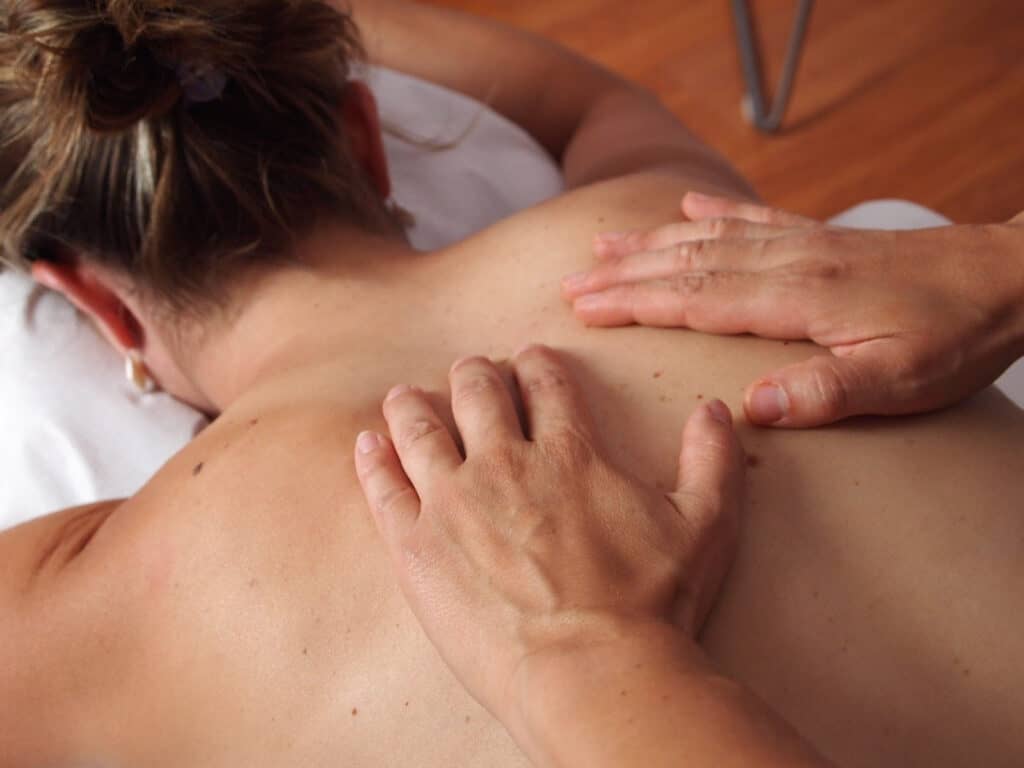
Recovery massage can help dial down the sting after heavy lifts or long runs. Gentle, short bouts stimulate blood flow and ease that wooden feeling in your legs, so moving the next day feels more natural.
Note that not every effect shows up right away. A 2025 trial reported no clear advantage in performance immediately after a session, and even a small bump in perceived soreness in the first few hours. That temporary change is common with novel inputs and usually settles as your body adapts.
Faster Warm-Up and Cooldown Routines
Quick routines are easier to stick with on busy days. Many athletes reach for deep tissue massage devices between drills or right after a cooldown to keep things moving, and they like that the setup is quick. That convenience means you actually follow through on recovery instead of skipping it.
Short, targeted passes on large muscle groups fit into a 5 to 10 minute window. Pair that with light mobility and some easy breathing, and you have a reliable bridge from work to recovery.
Greater Flexibility and Range of Motion
Targeted massage can loosen up tight tissue and give you a bit more room to move. That extra range lets you hit better positions in squats, lunges, movement, and overhead work without feeling like you are forcing things.
Research has pointed to a simple timing cue. A 2025 analysis found that sessions longer than 60 seconds per area improved flexibility without reducing isometric strength, and that longer durations might help even more. For most people, that looks like 60 to 120 seconds on quads, glutes, calves, and upper back.
Here’s a quick timing guide:
- 60 to 90 seconds per major muscle
- 30 to 45 seconds for smaller areas
- 1 to 2 passes, then re-test the movement you care about
Better Joint Awareness and Control
Recovery massage does more than soften tissue. By stimulating receptors in the skin and muscle, it can sharpen your sense of where a joint is in space. That pays off during change-of-direction drills and balance work.
One 2025 study reported improvements in range of motion, joint position sense, pain, function, and balance when massage was part of the plan. For everyday athletes, that means cleaner reps and fewer wobbly moments under fatigue.
Lower Muscle Stiffness and Tightness
That board-like feeling after hill repeats or heavy pulls is stiffness, not just soreness. Light massage helps the muscle and surrounding fascia slide a bit more freely. When tissue glides, movement feels smoother, and your warm-up takes less time.
Aim for relaxed pressure: you could hold a conversation through. If you find a hot spot, slow down your sweep or park briefly, and move on. Chasing pain with aggressive force is rarely worth it.
Support for Mobility Without Extra Fatigue
Mobility work should make you move better, not wipe you out. Recovery massage fits here because it adds low-effort input before or after mobility drills. You get tissue changes without piling on more eccentric load or long static holds.
A simple stack works well:
- Brief massage on the target area
- Dynamic mobility for the same pattern
- Short isometric hold near the end range
- Re-test the lift or drill you care about
This flow respects your total training stress. It also gives quick feedback, so you know whether the combo helped the session.
Relaxation Benefits for Recovery and Sleep
Your nervous system drives everything from tension to sleep quality. Light, unrushed massage signals your body to downshift. That calmer state helps with bedtime routines and the kind of deep rest that repairs tissue.
Keep the pressure soft in the evening. Sweep slowly over calves, quads, and upper back for a few minutes, then cut screens and dim the lights. Small cues like this teach your body when it is time to recover.

Recovery massage is a simple tool that fits into busy training weeks. Used with solid sleep, nutrition, and progressive loads, it helps you move more easily, protect joints, and show up fresh.
Small, consistent sessions beat marathon fixes. Keep the pressure comfortable, test your range, and let the routine do quiet work in the background, so your next session starts with better rhythm.
From obsession to clarity — one original question every week.
We answer one noisy topic at a time, in full. No daily roundup, no thread bait — just the question, the principles, and the system.