
Smart Tech Tips for Better Sleep and Less Stress
Smart tech habits can improve sleep quality and reduce stress by helping your brain wind down, your body reset, and your routine work with your natural rhythms.
Good sleep is a skill you can train with a few smart tweaks. The right tech habits help your brain wind down, your body find a rhythm, and your day feel less frantic. Use the ideas below to shape evenings and mornings that work with your biology, not against it.

Start With a Simple Evening Reset
Set a fixed shutdown time for your devices. Pick a window that lets you finish messages, set alarms, and put everything on Do Not Disturb so bedtime does not get pulled late.
Stress and poor sleep feed each other. If you notice the cycle getting heavier, include sleep hygiene, lifestyle tweaks, or medication when needed. Getting help early can prevent small patterns from turning into long slumps.
Keep your bedroom boring and predictable. Remove extra chargers, hide blinking LEDs, and make your bed for sleep only, not streaming or scrolling. The less your brain associates the room with work or chat, the faster it shifts to rest.
Know When to Get Help
Sometimes stress, anxiety, or mood symptoms make sleep fixes feel out of reach. If your symptoms feel bigger than app tips and gadget tweaks, consider psychiatry care available in Florida or in your area, which can pair medical care with practical sleep strategies. Getting timely support can shorten the spiral of poor sleep and high stress.
A good rule of thumb is to check in if you are lying awake for long stretches most nights or if your daytime focus is slipping. Professional care can work alongside trackers, routines, and calming tools so you are not trying to fix everything alone.
Tame Screens Before Bed
Plan a screen curfew that fits your evening. A 30 to 60 minute buffer gives your mind time to settle, and it protects your bedtime from just-one-more-video traps.
Many adults used screens right before bed, and those habits were tied to poorer sleep, with about 48 fewer minutes each week. Treat this as a nudge to tighten your routine and stop late-night loops that steal tomorrow’s energy.
Use Sleep Apps Wisely
Sleep apps can guide good habits when used with a clear goal. Choose one feature to focus on at a time, like a wind-down routine, gentle alarms, or a breathing coach.
A peer-reviewed study of a digital sleep program found that people using the app showed bigger drops in insomnia severity than a sleep hygiene education group, with benefits that still showed up at 3 months. Let this shape your plan: pick a tool, stick with it for a few weeks, and judge by how you feel during the day.
Build a Morning Routine That Calms Stress
Create a calm start to anchor your body clock. Get morning light, move for a few minutes, and save heavy news or inbox triage for later.
Keep it short so it actually happens. Two low-effort anchors work well: drink water while you open the blinds, and take a brief walk or stretch before checking messages. Small wins in the morning often make bedtime easier at night.
Make Tech Boundaries Stick
Rules are easier when they live outside your head. Put a charger in the kitchen, use app limits, and schedule a nightly Focus mode so your phone respects quiet hours by default.
Try this single-list plan to make boundaries simple:
- Pick a screen curfew and set an alarm that says devices go on the charger.
- Turn on Do Not Disturb for sleep hours and allow only emergency contacts.
- Use one sleep app feature at a time and review progress every 2 weeks.
- Keep a paper notepad by the bed for late ideas instead of unlocking a screen.
- If you wake up at night, avoid checking the clock and breathe slowly for 2 minutes.
Rethink Sound, Light, And Timing
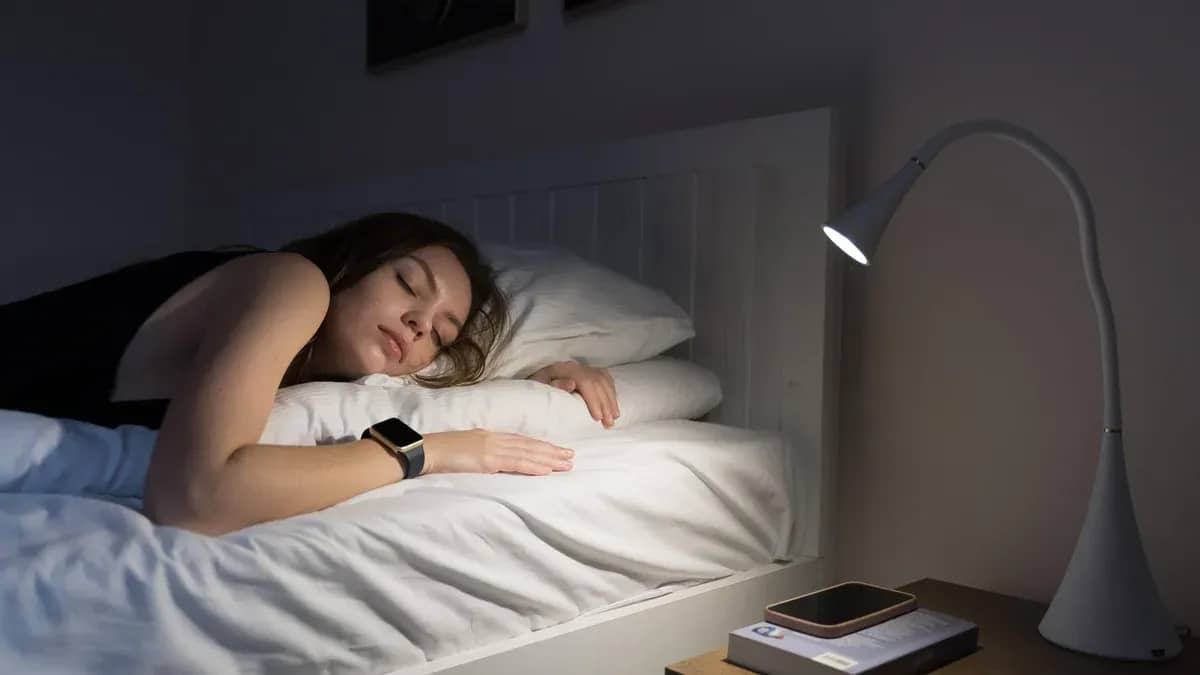
Your body likes clear signals. Dim the lights about an hour before bed and keep overhead bulbs off if you can. A small, warm bedside or wall lamp tells your brain that night has arrived, which makes drifting off feel natural.
In the morning, do the opposite. Step outside or sit by a bright window for a few minutes. This simple move helps your internal clock keep time, which can boost energy during the day and make sleep come easier at night.
If neighbors or traffic wake you, experiment with soft background noise or earplugs. Try to keep consistent sleep and wake times across the week. Your nervous system loves patterns, and even a 30-minute shift can make mornings smoother and nights calmer.

Small changes add up when you practice them daily. Pick one or two tips, make them automatic, and add the next. With a steadier routine, you will likely see better sleep, easier mornings, and stress that feels more manageable.
From obsession to clarity — one original question every week.
We answer one noisy topic at a time, in full. No daily roundup, no thread bait — just the question, the principles, and the system.