

Key Considerations When Choosing a Vehicle’s Core Mechanism
Vehicle core mechanism choices affect performance, efficiency, maintenance costs, and long-term reliability, making early planning essential for matching powertrains to real-world use.
A vehicle’s core mechanism is the heart of how it moves, works, and lasts. Choosing the right one shapes everything from day-one performance to long-term ownership costs. It affects power delivery, fuel bills, uptime, and even how comfortable the ride feels.
This decision is not only about numbers on a spec sheet. It is about how the engine or motor fits your routes, loads, climates, and maintenance realities. A little planning up front saves time, money, and headaches later.

Understanding The Role Of The Core Mechanism
Start with the job profile. Outline the typical load, terrain, trip length, climate, and duty cycle. When you capture real use cases instead of best-case dreams, you can match the core mechanism to the work rather than force the work to fit the machine.
Think in systems, not parts. The engine, transmission, final drive, cooling package, and after treatment live together. A strong engine paired with a mismatched gearbox feels sluggish, runs hot, or drinks fuel. Balance prevents weak links from pulling down the whole setup.
Plan for a change. Fleets evolve, routes expand, and regulations tighten. Choose a core that meets today’s needs and keeps options open. Flexibility helps you adapt without a costly redesign.
Powertrain Output And Torque Matching
Power and torque define how a vehicle gets moving and stays moving. Torque gets loads rolling at low speeds, and horsepower keeps them cruising at higher speeds. Look for an output curve that matches start-stop work, hills, or sustained highway use.
It helps to compare real-world data to spec sheets mid-selection. For example, consult Cummins ISL 8.9L engine specifications when evaluating torque bands and power-to-weight. Then overlay your gearing, tire size, and axle ratio to see road speed at target rpm. This connects paper numbers to actual route speeds.
Do not chase peak numbers alone. Pay attention to where the engine makes its best pull, how flat the torque curve is, and how quickly it responds. Drivability in the mid range is what operators feel every day.
Fuel Type, Efficiency, And Range Planning
Choose the fuel or energy source that fits your duty cycle. Diesel excels at high loads and long ranges, while gasoline can suit lighter, intermittent jobs. Natural gas offers lower emissions and cost stability in some regions. Electric and hybrid systems shine in urban, stop-and-go routes.
Efficiency is about the whole vehicle. Aerodynamics, tires, parasitic loads, and driver behavior can swing consumption more than engine selection alone. Track baseline data, then decide if a different core mechanism will materially shift your cost per mile.
Plan the refueling or charging strategy early. Map stations, yard infrastructure, and dwell times. If range is tight, small changes in route timing, battery size, or tank capacity can resolve anxiety without overbuilding the power train.
Reliability, Duty Cycle, And Operating Environment
Duty cycle is the stress test. Frequent cold starts, dusty sites, long idles, or steep grades each punish different parts. Pick a core mechanism rated for that stress, with cooling, filtration, and materials that handle your worst days, not just your average days.
Climate matters. Heat drives cooling and oil shear, cold thickens fluids, and altitude cuts available oxygen. A solid choice considers derate curves and airflow margins. The right heater, fan drive, and inter cooler can be the difference between uptime and shop time.
Look at field-proven platforms in similar work. Reliability is the mean time between failures, but it reflects how gracefully a system degrades. A design that fails softly lets you limp home instead of calling a tow.
Maintenance Access, Service Intervals, And Parts
Mechanics work better when they can reach what they need. Confirm access for filters, belts, injectors, and sensors. Good access cuts labor time, improves quality, and reduces the temptation to skip checks. Small clearances today become high costs tomorrow.
Service intervals shape your calendar and budget. Balance longer intervals against part cost and oil quality. If routes are seasonal, align services with off-peak periods so the vehicle earns when it should and rests when it can.
Parts availability is insurance. Choose a core backed by a strong supply chain and multiple distributors. Standardized filters, common sensors, and shared components across models reduce stocking complexity and speed repairs.
Weight, Packaging, And Chassis Integration
Every kilogram counts. Engine weight affects payload, center of gravity, and axle loads. A lighter core can increase legal payload or allow added safety gear. Confirm final weights on each axle to avoid compliance surprises.
Packaging is puzzle-solving. Check engine bay clearances, cooling airflow, wire routing, and heat shielding. Verify that after treatment, batteries, tanks, and pumps fit with service access and crash protection. Tight packaging today should not block tomorrow’s upgrades.
Integration makes or breaks the feel. Engine mounts, vibration isolation, and calibration choices shape how the vehicle starts, idles, and pulls. Well-tuned integration turns raw output into smooth, confident motion.
Emissions Compliance And Future Regulations
Regulatory paths vary by region and timeline. Choose a core mechanism that meets current rules and offers a roadmap for upcoming steps. After treatment systems, OBD requirements, and onboard diagnostics must be reliable in real conditions.
Monitor duty-cycle sensitivity. Short trips or low exhaust temperatures can stress DPF regeneration or catalyst light-off. If your routes are cold and slow, spec gearing or thermal strategies that keep the system in its sweet spot.
Plan for data. Modern systems need clean calibration updates and accurate sensor feedback. A clear process for software maintenance keeps compliance strong and performance steady.
Total Cost Of Ownership And Resale Value
Look past sticker price. Add fuel or energy cost, maintenance labor, parts, downtime, financing, insurance, and taxes. Model a realistic holding period and compare 3 to 5 scenarios. A slightly higher upfront cost can win on the total cost of ownership.
Downtime is the hidden giant. Faster diagnostics, remote monitoring, and dealer support reduce idle hours. Ask how long common repairs take, what tools are required, and whether mobile service can handle them on site.
Resale reflects brand reputation, hours, condition, and spec relevance. Cores with wide adoption and proven durability tend to hold value. Maintain records so buyers can trust the history and pay accordingly.
Driver Experience, NVH, And Performance Feel
What the operator feels matters. Throttle mapping, turbo response, and shift logic define confidence in traffic and on grades. Smooth power builds trust, cuts fatigue, and can even protect the drive train from harsh inputs.
Noise, vibration, and harshness change how long a day feels. Good engine mounts, balanced accessories, and clean calibration reduce buzz and drone. When NVH is low, communication in the cab is clearer, and safety improves.
Braking and retarding complete the picture. Engine brakes, regenerative braking, and transmission downshifts control speed without overheating service brakes. The right system keeps descents calm and pads fresh.
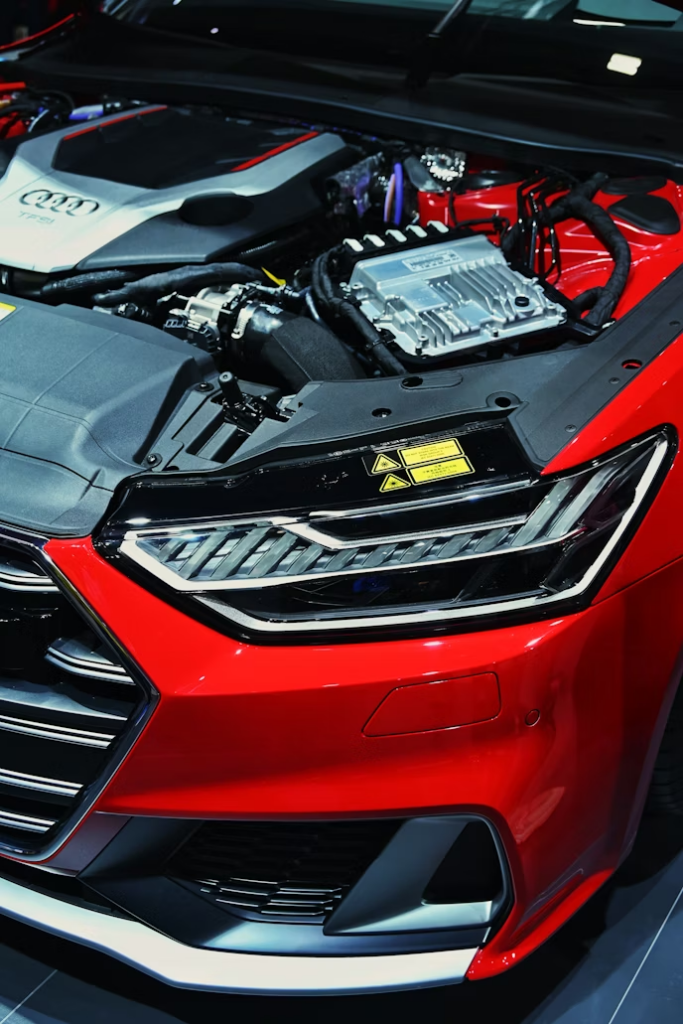
Choosing a vehicle’s core mechanism is a big call, but it is not a leap of faith. When you map the work, match the torque, and plan the integration, the right option usually becomes obvious. Clarity beats complexity.
Keep the long view. Think about how the machine will run in year 5, not just month 1. The best choice is the one that pairs reliable power with easy service, keeps costs stable, and gives operators confidence every day.
From obsession to clarity — one original question every week.
We answer one noisy topic at a time, in full. No daily roundup, no thread bait — just the question, the principles, and the system.