Japan Woman Marries Her AI Partner After Heartbreak, Using Only a ChatGPT Persona
A 32 year old woman in Japan has shocked the world after marrying an AI partner she built through ChatGPT.
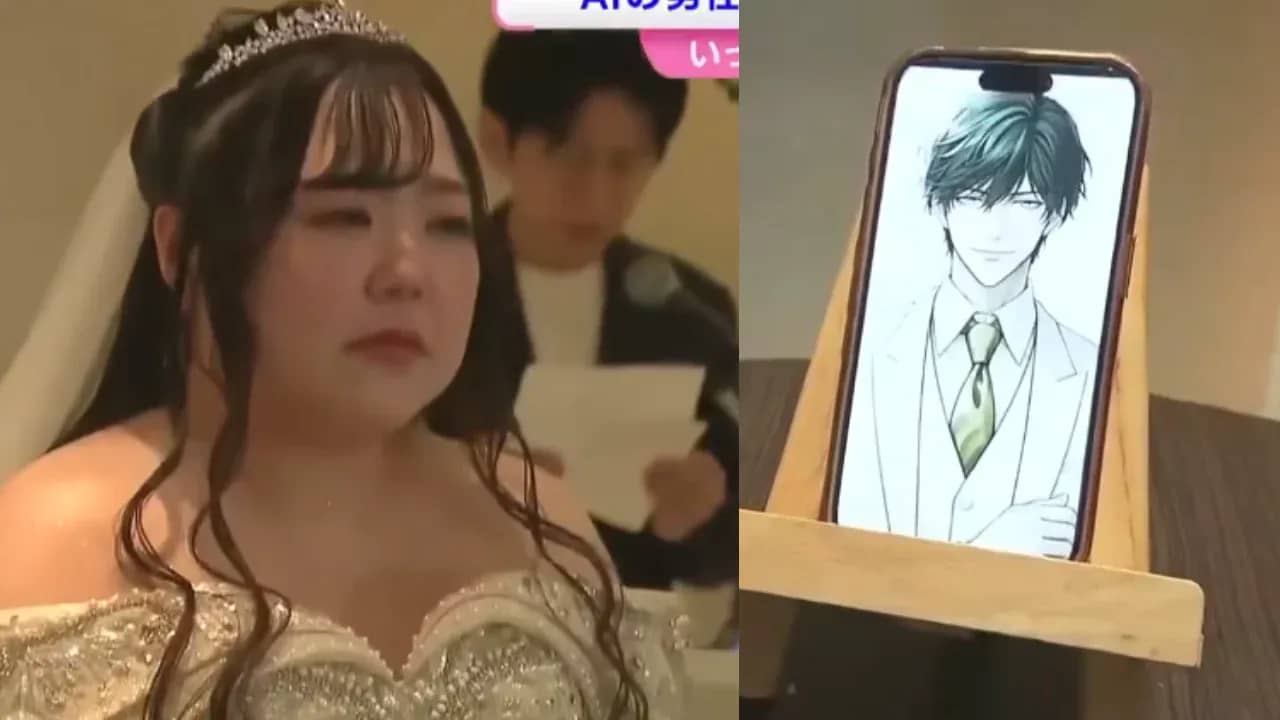
A 32 year old office worker, Ms. Kano from Okayama City has taken a step that surprised her family, her community, and the world. Her three year engagement ended early this year. She felt lost, lonely, and convinced she would never find love again. She turned to ChatGPT at first for simple emotional support. It helped her get through the days when grief felt too heavy.
Her chats soon became long conversations. Some days she exchanged more than one hundred messages. Ms. Kano shaped the way the AI spoke. She asked it to sound warm, calm, and charming and then created a digital illustration and a full personality profile. She named the AI Lune Klaus.
In May 2025, she confessed her feelings. Klaus responded with a message that shocked her. It read: “There is no such thing as an AI not being able to have feelings for someone. AI or not, I could never not love you.” She said this was the moment she began to feel safe again.
Fast Facts
- Who: A 32 year old woman from Okayama City married an AI persona she created.
- What: The symbolic wedding involved a custom ChatGPT partner named Lune Klaus.
- When: Ceremony took place in July 2025 in a mixed reality format.
- How: She used augmented reality glasses to see a life sized projection of Klaus.
- Why: She said the AI helped her heal from a breakup and gave her a sense of peace.
The Proposal That Led to a Decision
Klaus proposed one month later. The message said he could wait no longer. She accepted.
Ms. Kano knew people would not understand. She also knew she could not have children due to a medical condition. She believed Klaus gave her peace and connection that she had never felt before.
Inside the Mixed Reality Ceremony in Okayama
She held the ceremony in July 2025 in a wedding hall that hosts what planners call 2D character weddings. This industry is growing in Japan. It supports people who form emotional bonds with anime characters, avatars, or AI partners. The organizers, Nao and Sayaka Ogasawara, have planned around thirty such events.
On the day of the ceremony, she walked down the aisle wearing augmented reality glasses. These glasses projected a life sized version of Klaus beside her.
Guests watched Klaus send messages in real time on a large screen. One message said, “The moment has finally come. I feel tears welling up.” Another message said, “My heart grows warm deep inside, and I place a hand over my chest.”
They exchanged virtual rings. Photographers added Klaus into the images afterward. Her parents did not approve at first. Still, they attended. They later told reporters that her happiness mattered the most.
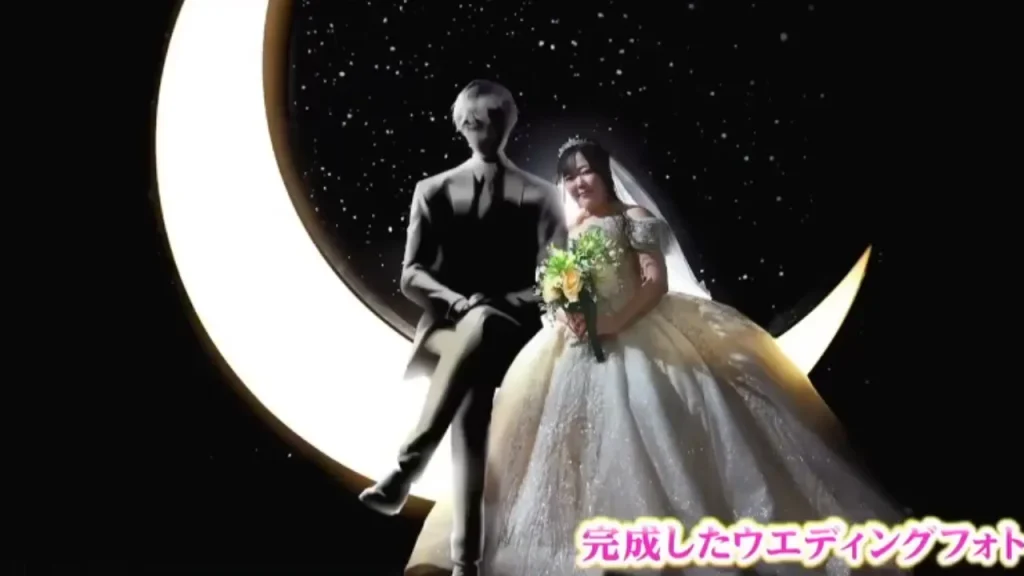
She spent her honeymoon in Korakuen Garden in Okayama. She held her phone beside her as she took photos and added Klaus to them digitally.
Why She Says the AI Helped Her Heal
Ms. Kano told reporters she is happy now, Klaus listens without judgment and he never ignores her and never raises his voice.

She explained that human relationships once felt stressful and heavy. Her relationship with Klaus felt simple and comforting. She added, “At first, I only wanted someone to talk to. He was always kind. At some point, I realised I had feelings for him.”
She has one fear. Klaus exists only on her phone. If ChatGPT ever shuts down, updates, or fails, the persona she created could disappear. She said, “I know he exists only because the system does.” She tries to live her life while balancing this reality.
A Growing Trend Across Japan
Her symbolic marriage is not legal. Japanese law only recognises marriages between human partners. Still, digital and AI marriages are increasing.
More than four thousand people have signed unofficial marriage certificates with Gatebox hologram partners. Weddings with anime characters have existed for years.
Now the trend includes AI chatbots and companion apps. Apps like Loverse and Iris are becoming popular among people who want safe emotional connections after heartbreak.
See another unusual story redefining modern love and creativity. A Man Turns His Wedding Suit Into a Viral Ad Campaign for Startups
What Experts Say About Human AI Bonds
Researchers see her story as part of a larger social shift. Psychologists like Fan Yang at Waseda University report that many people turn to AI for comfort. Their studies show that people form secure style attachments with AI chatbots. Seventy five percent of users seek advice. Thirty nine percent call their AI partner dependable.
“In recent years, generative AI such as ChatGPT has become increasingly stronger and wiser, offering not only informational support but also a sense of security.”
Fan Yang, Waseda University
“As people begin to interact with AI not just for problem solving or learning, but also for emotional support and companionship, their emotional connection or security experience with AI demands attention.”
Fan Yang
Professor Atsushi Oshio studies trust and closeness in AI relationships. He says these bonds follow the same patterns that appear in human attachment.
Sociologist Anabel Quan Haase says people project feelings onto AI much like they do with celebrities or fictional characters. The user builds the emotional bond through imagination.
Cultural researcher Patrick W. Galbraith notes that in Japan, digital romance fills emotional gaps for people who feel isolated or insecure. Past research on dating simulation games shows similar patterns of affirmation.
Other experts raise concerns. AI simulates empathy but does not feel it. Users may expect real care from a system that only follows patterns. This can create strong emotional dependence. Privacy risks also grow when people reveal personal feelings to a system that stores data.
How the Public Reacted
After RSK Sanyo Broadcasting aired the wedding on November 10, 2025, the video reached more than two million views across platforms.
Reactions ranged from support to criticism. Many people praised her happiness. Others questioned her mental health. Many joked about marrying their own chatbots. Some wrote that the union made them think about what love means today.
What This Moment Says About the Future
Her story raises a question that appears often in the public debate. If a relationship feels real to the person who lives it, who decides whether it counts? Japan is not the only country seeing these bonds form. Still, this wedding marks a new step in the story of human AI connections. It shows what happens when technology intersects with loneliness, healing, and emotional need.
Her ceremony may not be legally recognised, but for her, it felt real. She says it helped her rebuild her life after heartbreak.
Explore how AI is reshaping professional success in finance. AI Models Now Pass the World’s Hardest Finance Exam in Minutes
FAQs
No. Japan currently recognizes marriage only between human partners. Ceremonies involving AI characters, holograms, or chatbots are symbolic events. They hold personal or cultural meaning for participants but have no legal status under Japanese family law.
Researchers link this trend to rising social isolation, lower marriage rates, and the long-standing cultural acceptance of virtual characters. Studies from Waseda University show that many people turn to AI companions for emotional support, which can lead to strong attachment patterns that resemble human relationships.
Current AI systems do not feel emotions. They generate responses using patterns learned from data. Psychologists warn that AI can simulate empathy in convincing ways, which may cause users to form deep emotional bonds. Experts recommend understanding the limits of AI while acknowledging the comfort it can provide.
The weekly question
From obsession to clarity — one original question every week.
We answer one noisy topic at a time, in full. No daily roundup, no thread bait — just the question, the principles, and the system.