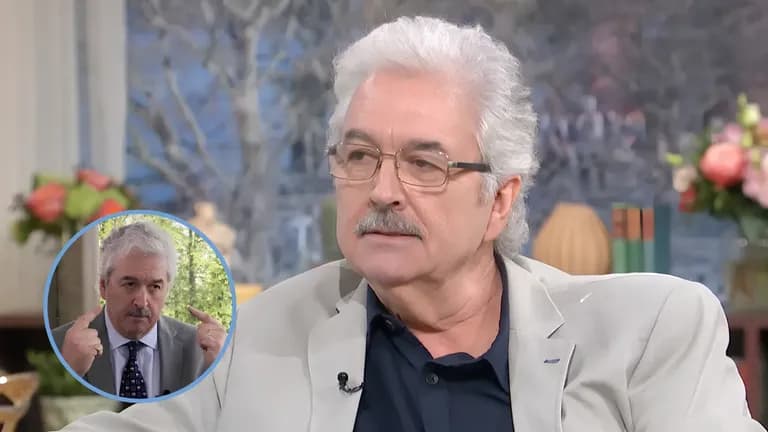
Ziad Fazah Built a Life Around a Contested 59-Language Claim
Ziad Fazah became internationally known for claiming knowledge of 59 languages, a record-sized assertion that also attracted intense scrutiny.

Ziad Fazah became famous for a claim almost designed to invite disbelief: that he could communicate in 59 languages.
Born in Liberia, raised in Lebanon, and later based in Brazil, Fazah built his public identity around language study and teaching. His story is remarkable, but it is also a lesson in the difficulty of measuring multilingual ability.
From Monrovia to Beirut and Brazil
Fazah was born in Monrovia in 1954 and grew up in Beirut. That background exposed him to multiple languages and writing systems while he was young.
He later moved to Brazil, learned Portuguese, and worked as a language teacher. Dictionaries and structured study became central features of his working life.
Reports about Fazah often repeat totals between 58 and 59 languages. Those numbers describe his own claim and earlier record-book publicity; they should not be treated as independent certification of equal fluency in every language.
Why the 59-language claim became famous
Earlier editions of Guinness World Records reportedly listed Fazah for his claimed ability to speak and read 58 languages. The listing disappeared from later editions.
The scale of the claim made Fazah an international media subject. It also raised an unavoidable question: what does “speaking” a language mean?
A learner may read well, hold a prepared conversation, understand familiar topics, or improvise at a professional level. Those are very different achievements.
59
Languages Fazah has claimed
1954
Year of birth
1997
Year of a widely discussed television test
Source: Published profiles and archived record-book reporting
The television appearance that changed the story
A 1997 appearance on Chilean television became the most famous challenge to Fazah's reputation. Native speakers asked unexpected questions in several languages, and he struggled to answer some of them.
Clips from the program circulated widely as evidence against the larger claim. Fazah later argued that the segment was presented as a trap and that unused languages require preparation before a public test.
The fairest conclusion is not that decades of study were meaningless. It is that the claim of active fluency across nearly 60 languages was not convincingly demonstrated under surprise testing.
What Fazah's case teaches about fluency
Language knowledge is not a switch that is simply on or off. Vocabulary becomes inactive, listening speed changes, and confidence falls when a language is not used.
Serious assessments therefore identify the skill, level, and conditions being measured. A short television exchange cannot map a person's entire linguistic repertoire, but it can expose the difference between familiarity and spontaneous command.
1954
Born in Monrovia
1970s
Moved to Brazil and continued language work
1990s
Received international attention for a record-sized language claim
1997
Faced an unscripted multilingual television challenge
Later years
Continued teaching and discussing his language study
Why Ziad Fazah still belongs in the polyglot story
Fazah's experience sits at the intersection of genuine dedication, media spectacle, and an imprecise definition of fluency.
He spent much of his life studying languages and surrounded himself with dictionaries and teaching materials. At the same time, his headline number remains disputed and should always be described as a claim.
That tension makes his story useful. It encourages admiration for sustained learning without abandoning evidence, and it reminds language learners that depth, maintenance, and honest self-assessment matter more than the largest possible total.
The weekly question
From obsession to clarity — one original question every week.
We answer one noisy topic at a time, in full. No daily roundup, no thread bait — just the question, the principles, and the system.