Yusnier Viera Calculated 132 Calendar Dates in One Minute
Known as the Human Calendar, Yusnier Viera calculated the weekday for 132 random dates in just one minute.
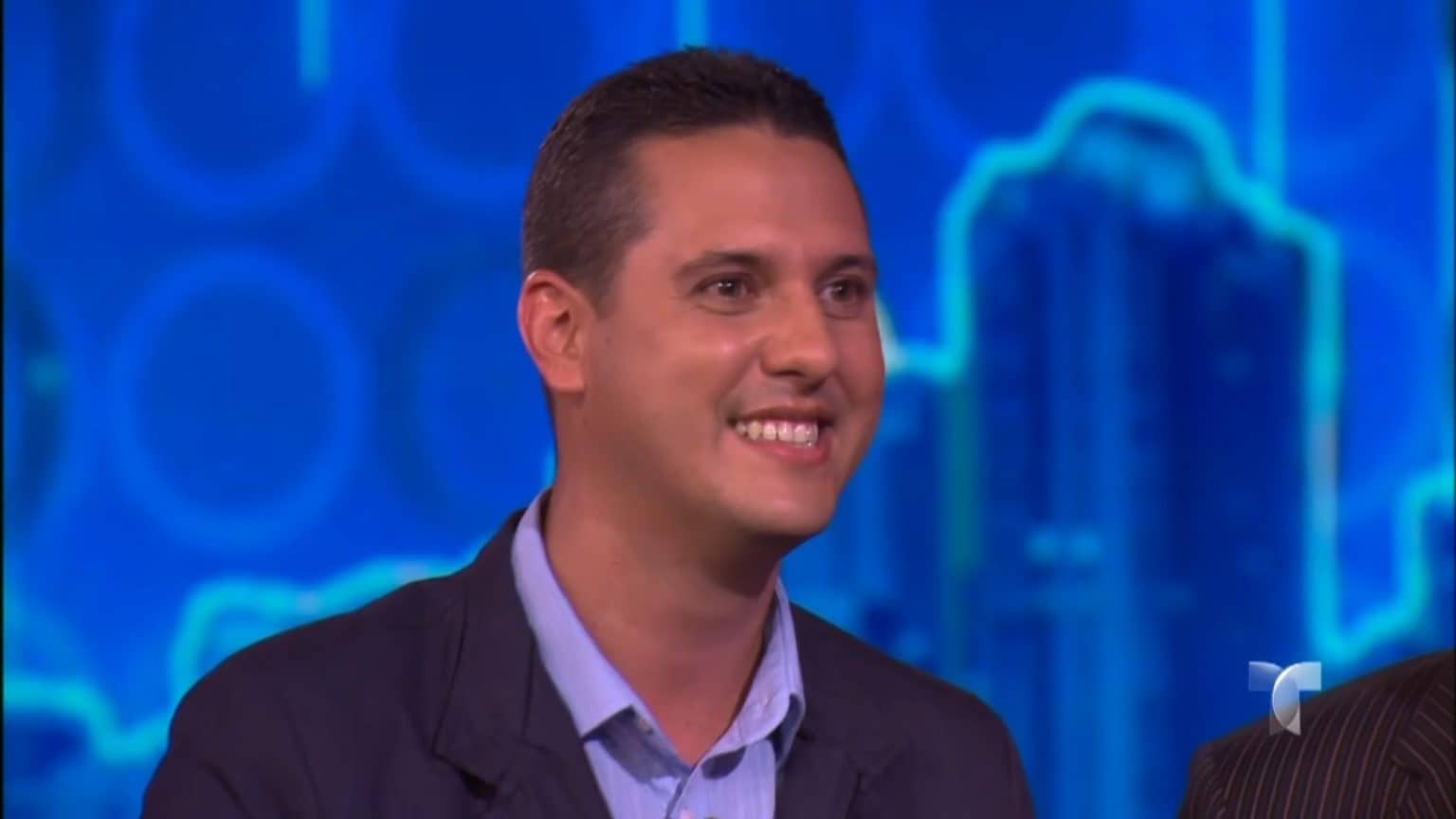
Give Yusnier Viera a date between 1600 and 2100, and he can tell you the day of the week almost immediately.
On January 27, 2018, the Cuban-American mathematics professor did this 132 times in one minute.
That is more than two calendar calculations every second.
The performance reclaimed a Guinness World Records title and strengthened Viera's nickname: “The Human Calendar.”
The Minute That Contained 132 Dates
Viera's 2018 attempt took place at Miami Dade College.
He was presented with random dates spanning five centuries. For each one, he had to state the correct weekday.
In 60 seconds, he calculated 132 dates correctly.
132
Dates calculated correctly
60 sec
Time allowed
1600–2100
Range of possible years
Source: The Reporter, Miami Dade College
The Reporter documented the achievement and noted that Viera had beaten the previous mark by seven dates.
The feat looks like instant recall. In reality, it combines a compact calendar algorithm with years of practice.
How Calendar Calculation Works
The Gregorian calendar follows rules.
Weekdays repeat in a seven-day cycle. Months have fixed lengths, except for February in leap years. Each year shifts the calendar forward by one weekday, or two after a leap year.
A mental calendar calculator reduces a date into several small components:
- a code for the century or year,
- an offset for the month,
- the day of the month,
- an adjustment for leap years,
- and a remainder after division by seven.
The exact system varies by performer. Some use versions of the Doomsday algorithm. Others build personal lookup structures and shortcuts.
The result is not memorizing the weekday of every date separately. It is learning how to calculate the answer so efficiently that the process appears instantaneous.
From Havana to the “Human Calendar”
Viera was born and raised in Havana, Cuba.
He studied computer science and applied mathematics at the University of Havana.
Numbers attracted him from childhood, but his calendar specialty required much more than early talent. It became a disciplined practice.
Viera later moved to Miami and became a mathematics professor at Miami Dade College.
That teaching role added another dimension to his public demonstrations. Calendar calculation was not only a performance. It was a way to show students that mathematical structure can be understood, practiced, and made intuitive.
The Program He Built to Train Himself
Viera used his computer science background to create a program that generated random dates.
The software allowed him to practice at speed without predicting the next question.
When he began preparing seriously, he reportedly trained for as many as eight hours a day. Later, while teaching, he reduced that schedule to three or four hours.
This detail explains the performance better than the nickname does.
“The Human Calendar” sounds like a natural phenomenon. The training program reveals an engineered skill.
Viera created a feedback loop: generate dates, calculate answers, identify errors, repeat, and gradually reduce the time.
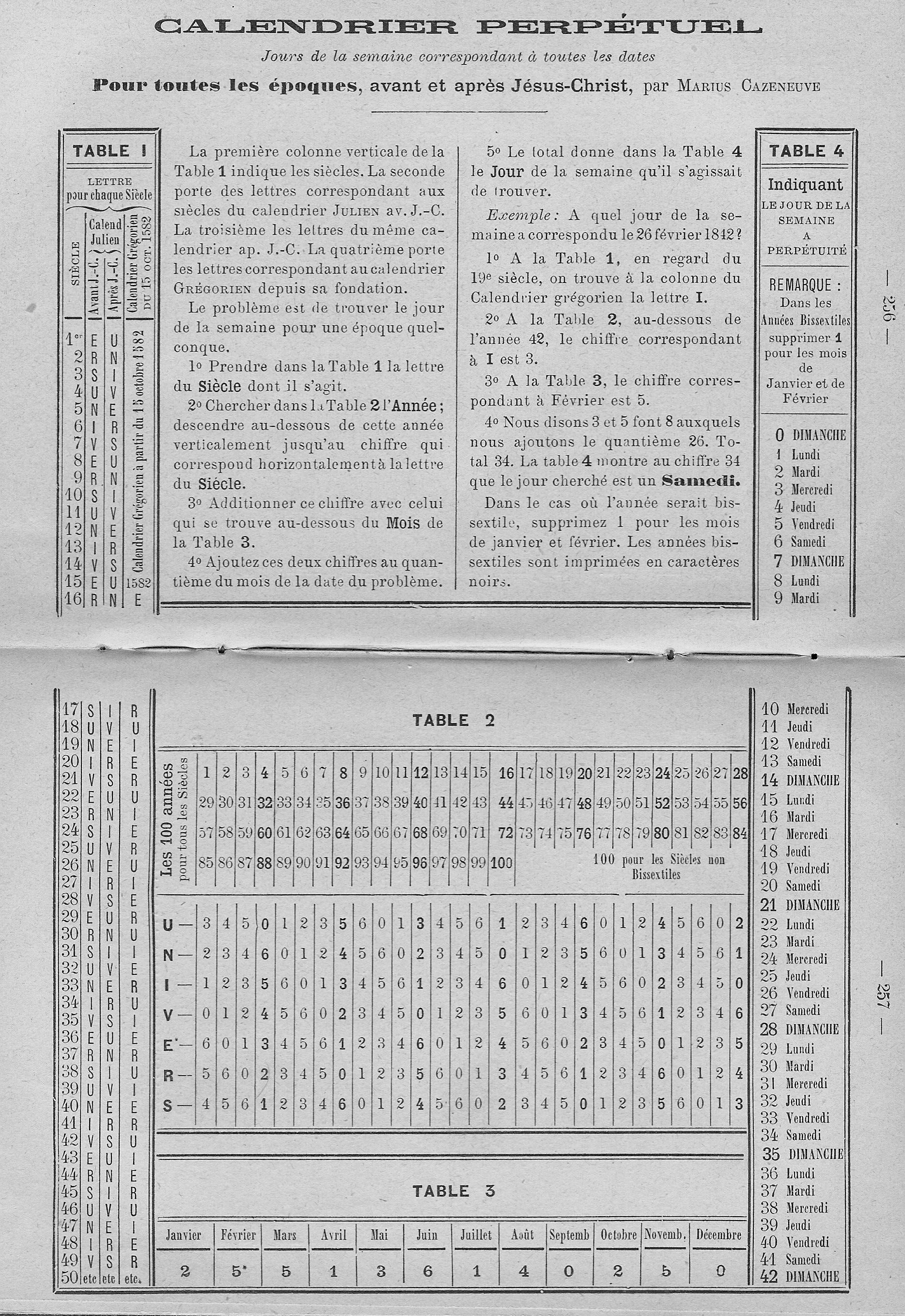
A perpetual calendar solves mechanically what Viera learned to calculate mentally. Source: Wikimedia Commons.
A Record That Changed More Than Once
Viera first broke a calendar-calculation record in 2005.
Over the following years, he continued competing, appearing on television, and improving his speed.
In 2015, he calculated 111 dates in one minute. A young competitor later surpassed the mark.
Viera returned to training and reclaimed the record in 2018 with 132 dates.
2005
Sets an early calendar-calculation record
2010
Wins the calendar category at the Mental Calculation World Cup
2015
Calculates 111 dates in one minute
2018
Reclaims a Guinness title with 132 dates
Guinness has since described newer attempts under different date ranges and rules. That matters because a 500-year range is not directly equivalent to a challenge covering 10,000 years.
As with any specialized record, the number only makes sense alongside the rules.
Why the Skill Is More Than Memorization
Viera's feat depends on memory, but it is not a list-recitation challenge.
He must recognize the date, perform a calculation, manage exceptions, and speak the result with almost no delay.
Memory stores the codes and shortcuts. Arithmetic combines them. Pattern recognition helps reduce the number of deliberate steps.
The skill also depends on error recovery. At more than two answers per second, there is almost no time to pause after a difficult date.
That mix of recall and calculation makes calendar performance a distinctive branch of mental mathematics.
What Yusnier Viera's Story Teaches About Speed
Yusnier Viera can make a date surrender its weekday in less than a second.
The public sees the answer. The deeper story lies in the infrastructure behind it: mathematical rules, custom software, thousands of practice questions, and years spent compressing a calculation into a reflex.
His nickname is memorable because it sounds impossible.
His method is valuable because it shows the opposite.
The calendar is not magic. It is a system. Once the system is understood and practiced deeply enough, the mind can move through it at extraordinary speed.
Featured image: Yusnier Viera, known as the Human Calendar, via Periódico Cubano.
The weekly question
From obsession to clarity — one original question every week.
We answer one noisy topic at a time, in full. No daily roundup, no thread bait — just the question, the principles, and the system.