
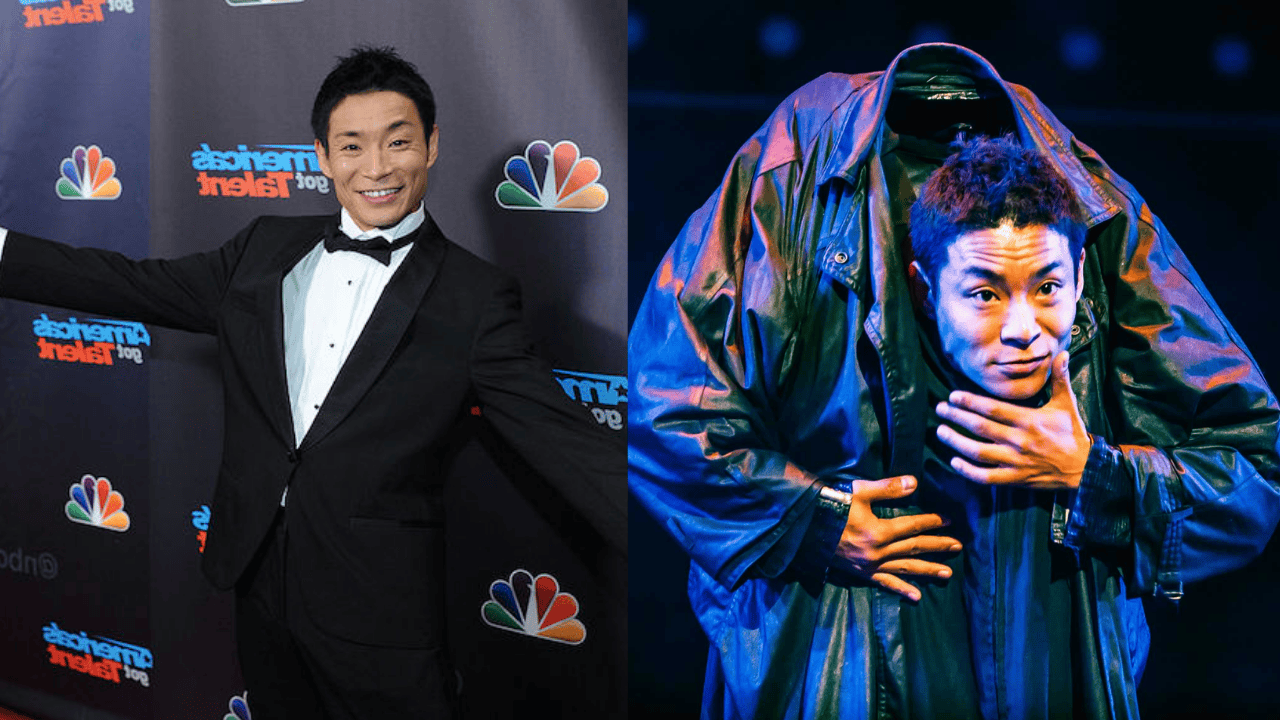
Kenichi Ebina can make a live audience believe they are watching a computer-generated character. His style, called Human Animation, mixes hip hop, mime, and clever illusions to create moves that look like they come from a science fiction movie.
Below is the full story of how he built a career that keeps going viral a decade after his first big break.
Fast Facts
- Project: Kenichi Ebina’s Human Animation performance
- Known for: Live illusions that look computer generated using precise timing and stagecraft
- Viral highlight: America’s Got Talent audition passed 100M views on YouTube
- Signature moves: Head drop illusion, fighting on screen clones, slow motion control
- Why it matters: Blends dance and simple tech to create unforgettable stage moments
The Viral Moment Everyone Is Sharing
Clips of Ebina’s “head-fall” and “fighting his own clones” routines are spreading fast across Facebook Reels, TikTok, and YouTube Shorts. In these videos he appears to detach his head or battle several copies of himself. There is no computer editing. The tricks happen live on stage with perfect timing.
His 2013 audition on America’s Got Talent has more than 124 million YouTube views, making it the most-watched performance in the show’s history.
Who Is Kenichi Ebina
Kenichi Ebina, also known as EBIKEN, was born in Japan on May 25, 1974. He moved to the United States in the 1990s to study computer science and eventually focused on dance. Ebina is self-taught and calls himself a “performer” rather than just a dancer.
“Many people think I am a dancer, but I consider myself more as a performer because I mix dance, mime, and multimedia technology,” Ebina explained in an interview.
He first gained attention by winning Showtime at the Apollo twice before his historic win on America’s Got Talent.

How He Breaks Physics on Stage
Ebina performs alone, yet it often looks like a team show. Before each act he records multiple versions of himself and projects them on a giant screen. During the live show he moves in perfect sync with those projections. This makes it appear as if he is interacting with clones or invisible forces.
Lighting, sound cues, and hours of rehearsal make every motion land at the exact right moment. Dance researchers call this “projection choreography,” a technique that blends stage tech and physical skill.
Why He Is Viral Again
Short video platforms reward content that feels impossible. Ebina’s movements tap into today’s love for AI visuals and “glitch in the Matrix” memes. In 2024 he returned to America’s Got Talent as a mentor for new acts. That appearance pushed older clips back into trending lists and introduced him to a new generation of viewers.
Can You Learn His Style
You will need patience and practice. Start with basic popping and mime classes. Then study projection timing or simple green-screen techniques. Ebina sometimes offers workshops through his production company LinQuest where he explains the use of video projections and sound cues for live shows. Beginners can start with free popping tutorials online before trying complex illusions.
Challenges and Reactions
Some viewers question if his videos are edited. They are not. Live audiences see the same illusions without any digital filters. The only “trick” is the combination of discipline and technology.
Ebina also faced a wave of negative comments after his 2013 win, but he kept performing worldwide and used the attention to expand his career.
What’s Next for Ebina
Today he tours internationally and mentors young performers. He also leads creative projects with LinQuest and UniCircle Flow, a unicycle dance group that reached the semifinals on America’s Got Talent in 2021. His goal is to keep blending art and technology in new ways.
Disclosure: We may earn a commission when you make a purchase through the ads.