
What Warning Signals Suggest Hidden Mold Behind Walls
Warning signals of hidden mold behind walls include musty odors, unexplained symptoms, and moisture damage that can point to serious problems inside your home.
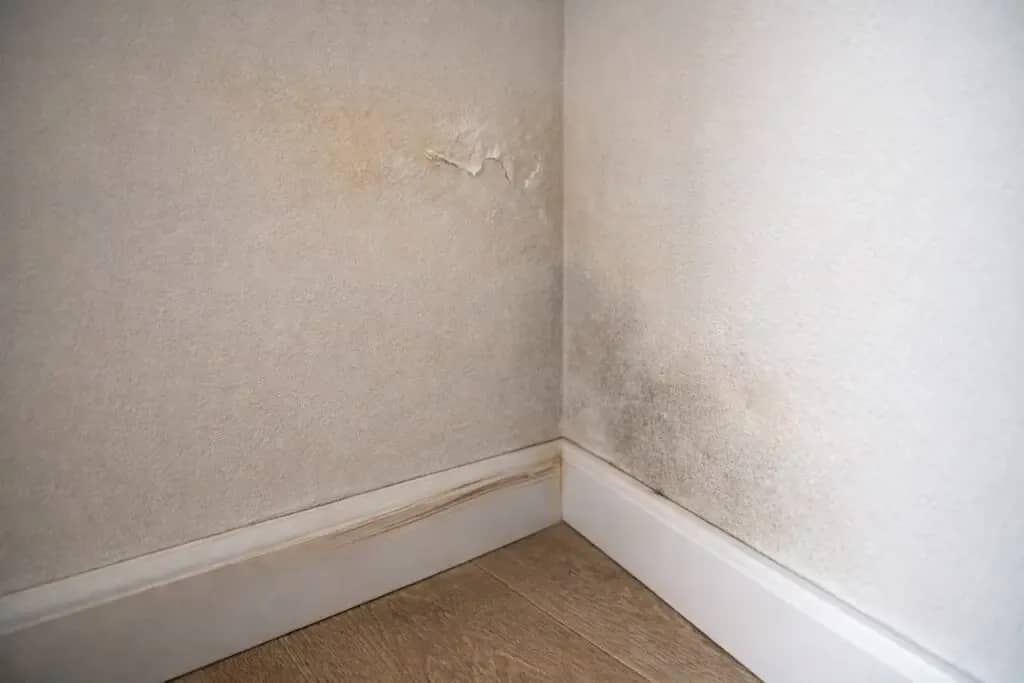
Walking into a room and feeling a sense of unease is common for homeowners. You might spot a small stain or catch a faint scent that feels out of place. Most people ignore these tiny signs until the problem grows too large to hide. Drywall and insulation often mask the true extent of fungal growth. Understanding what lies beneath your paint or wallpaper is the first step in keeping your home safe and dry. It helps you stay ahead of expensive repairs.
The Ghostly Scent in Your Hallway
Smelling something earthy or damp is a major red flag for indoor issues. You might notice the scent gets stronger when the air conditioner runs or when it rains outside. A recent publication explained that musty odors or unexplained health problems can signal a problem even when typical hiding spots look clean. These smells often travel through vents or wall gaps.
Ignoring a persistent odor allows the fungi to spread through your structural studs. Fungi release gases as they consume building materials. These gases create the signature smell that many people associate with old basements. If you can smell it, the colony is likely active and growing. Keeping the air moving might mask the scent, but it will not fix the underlying cause of the smell.
When Your Body Reacts Before You See Anything
Your health can act as an early warning system for your living space. If you feel better when you leave the house and worse when you return, pay attention. One research group noted that long-term exposure can lead to lightheadedness, blurred vision, and a loss of cognitive functions. Many people describe this feeling as brain fog. These neurological symptoms suggest that spores are circulating in your air supply.
Frequent headaches or sudden fatigue are signs that your indoor environment is compromised. Many residents mistake these symptoms for seasonal allergies or a lack of sleep. Spores can irritate your eyes and throat even when they are hidden behind a cabinet. Tracking your symptoms helps identify patterns related to your home environment. Small health changes often precede visible wall damage on your plaster or drywall.
Seeking Professional Help Early
Finding the source of a leak requires a systematic approach to your property. If you suspect an issue, scheduling professional mold testing can provide the clarity you need to move forward. Taking this step prevents you from tearing down walls without a clear plan. Experts use specialized tools to find damp spots that are invisible to the naked eye. This process keeps your renovation costs lower in the long run.
Detecting hidden issues saves time during the cleanup phase. Professionals use thermal cameras and moisture meters to scan your drywall for cold spots. These tools reveal where water is trapped inside your framing. Knowing the exact location of the problem prevents unnecessary demolition. It makes the entire restoration process much more efficient for the homeowner. This careful approach protects your budget from sudden spikes.
Moisture Patterns and Structural Risks

Water moves through a house in ways that are hard to predict without data. Floods or slow pipe leaks create the perfect conditions for hidden damage. Scientific findings identified 5 key factors – like ventilation and flood depth – that help predict where growth will happen. High humidity levels trapped inside a wall cavity will rot wood over time.
Watch for these common signs of moisture:
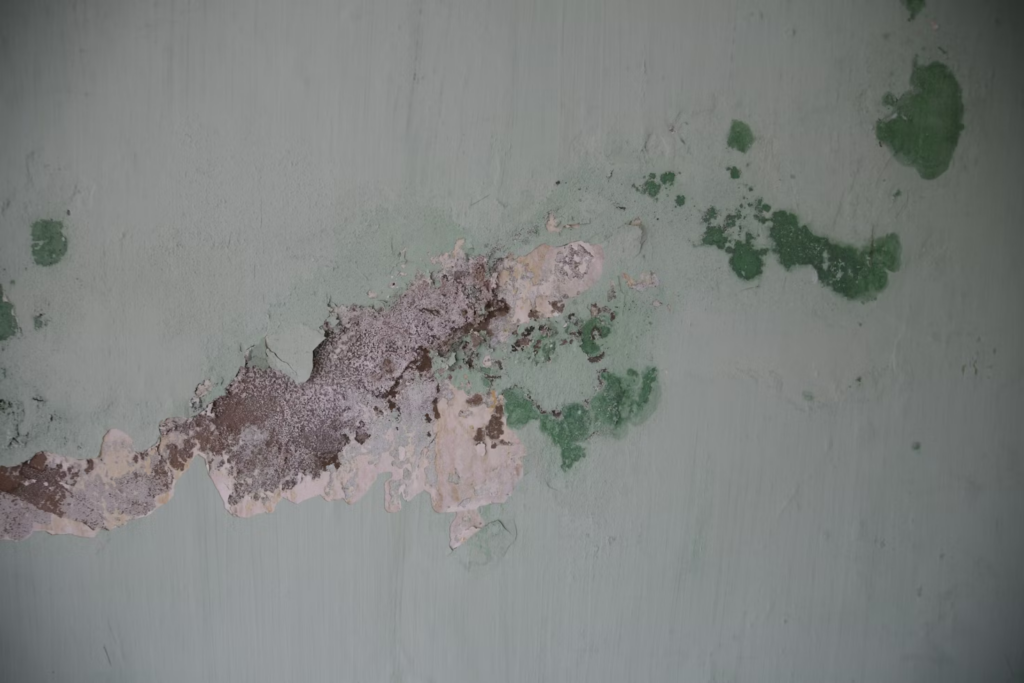
- Peeling paint or bubbling wallpaper
- Discolored patches on the ceiling
- Soft spots in the floorboards
- Condensation on window frames
Keeping a close eye on these indicators helps you catch leaks early. Water damage often looks like a simple stain, but it hides a much larger problem. Once a wall board is saturated, it provides a perfect food source for various species. Checking your plumbing fixtures regularly is a great habit for any homeowner. It keeps your maintenance schedule on track throughout the year.
Financial Impact of Structural Damage
Waiting to address a leak leads to much higher bills when you finally call a contractor. Small repairs are manageable, but structural remediation is a different story. A news report found that average remediation costs fall between $1,222 and $3,751. Severe cases can see prices climb as high as $30,000 for a single property. Investing in a small fix today saves you thousands of dollars next year.
Insurance companies often look at how fast you responded to the damage. Delaying the repair can lead to a denied claim if they see evidence of long-term neglect. Keeping records of your maintenance helps when you need to file for help. The cost of materials and labor continues to rise every season. Addressing the issue now is the most financially responsible choice for your family – it prevents small leaks from becoming disasters.
Protecting your home means staying alert to the smallest changes in your environment. Whether it is a strange smell or a sudden cough, these signals are your house asking for help. Your home is your biggest investment, and keeping it dry is the best way to make it last.
From obsession to clarity — one original question every week.
We answer one noisy topic at a time, in full. No daily roundup, no thread bait — just the question, the principles, and the system.