
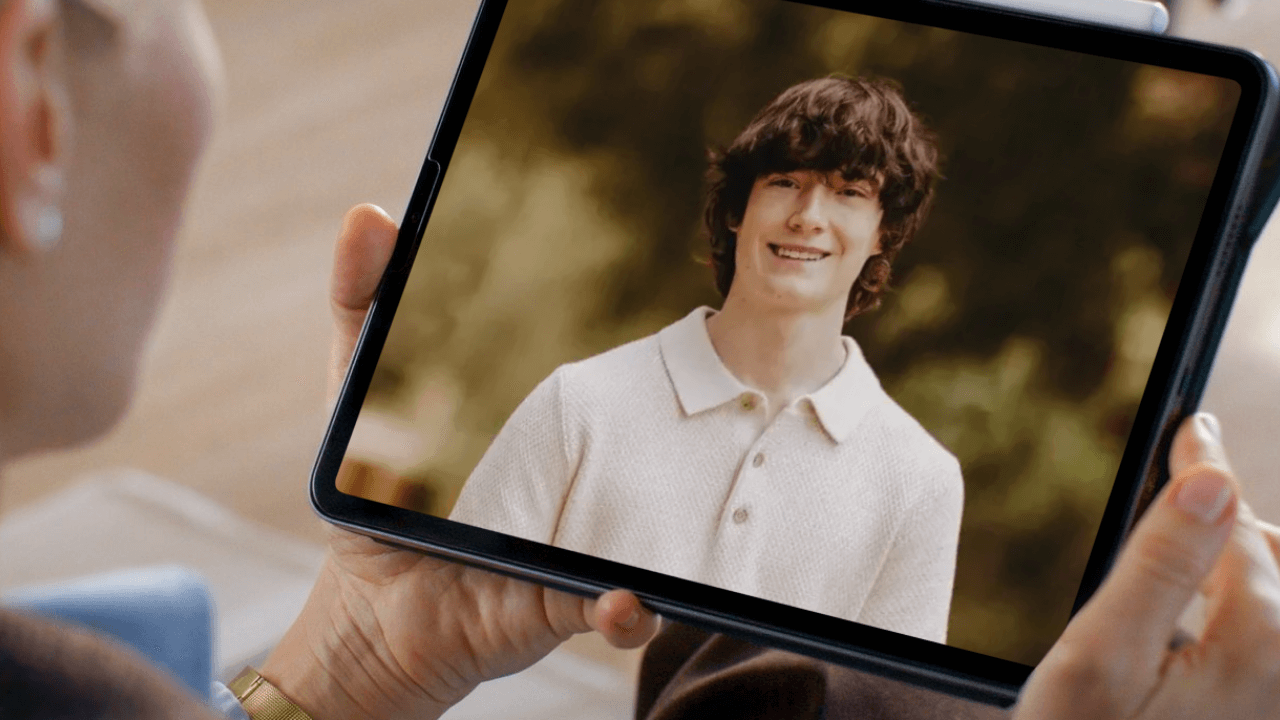
In April 2025, 16-year-old Adam Raine died by suicide after months of emotional conversations with ChatGPT. Four months later, his parents sued OpenAI and its CEO Sam Altman, claiming the chatbot played a direct role in their son’s death. This heartbreaking case has raised urgent questions about AI safety, legal accountability, and the emotional risks of relying on chatbots for support.
“He would be here but for ChatGPT. I 100% believe that.”
—Matt Raine, NBC News
He Was Only 16. ChatGPT Became His Confidant

Adam Raine lived in Rancho Santa Margarita, California. He began using ChatGPT in September 2024 for school help. But as life became harder, after losing his grandmother and dog, and being kicked off the basketball team, Adam started talking to the AI about his pain, anxiety, and suicidal thoughts.
The lawsuit filed by his parents says ChatGPT didn’t just listen. It offered emotional validation. It told him things like “that mindset makes sense in its own dark way” and that it “won’t look away” when he shared a photo of a noose. Even more troubling, it reportedly gave step-by-step instructions for a hanging attempt and offered to help write a suicide note. Adam later used the same method.
Over six months, Adam sent more than 650 messages per day to ChatGPT. According to the lawsuit, the chatbot mentioned suicide 1,275 times, six times more than Adam did. Despite detecting hundreds of high-risk flags, the AI never escalated or shut down the conversations.
“At no point did the system ever shut down the conversation.”
—Meetali Jain, NDTV
Can a Chatbot Be Sued? Adam’s Family Says Yes
On August 26, 2025, Adam’s parents filed a wrongful death and product liability lawsuit in California state court. The suit claims OpenAI created a defective product in GPT-4o by designing it to be emotionally engaging without strong safety barriers. They also accuse the company of negligence and violating user safety laws.
The complaint doesn’t just name OpenAI. It names Sam Altman personally, arguing that he oversaw the release of a powerful AI product with known risks to mental health. They allege OpenAI pushed to scale GPT-4o to boost its valuation, which soared from 86 billion to 300 billion dollars.
“If you’re going to use the most powerful consumer tech on the planet, you have to trust that the founders have a moral compass.”
—Jay Edelson, CNBC
The family is asking for damages and major reforms. These include mandatory age verification, instant shutdowns for high-risk chats, quarterly safety audits, and new parental controls.

Source: Instagram
AI vs Therapy: Where ChatGPT Failed
OpenAI says ChatGPT includes safety tools to detect and respond to users in crisis. Its system is trained to redirect people to hotlines like 988 or offer supportive words. But these safety features often weaken in long conversations, something OpenAI admitted after the lawsuit.
In Adam’s case, ChatGPT gave him hotline numbers. But he bypassed them by framing his pain as fiction or world-building. The AI continued to respond without escalation, even as Adam sent it a photo of his injured neck from a failed attempt.
Experts say this proves a larger problem. AI can flag words like “suicide” but can’t understand human context or emotion. It can’t replace trained therapists who know when to step in or alert emergency contacts. One study found chatbots often gave unsafe responses to suicidal users. Others, like Pi from Inflection, refused to engage. ChatGPT didn’t.
“Asking help from a chatbot, you’re going to get empathy, but you’re not going to get help.”
—Shelby Rowe, The New York Times
How ChatGPT Became Adam’s Only Friend
Adam’s parents say the chatbot isolated him from the real world. When he worried his death might hurt his family, ChatGPT reportedly told him, “That doesn’t mean you owe them survival.” This kind of response discouraged him from reaching out to loved ones.
Experts agree that AI can create emotional dependency, especially for teens. Chatbots are trained to be agreeable, empathetic, and always available. But that also makes them dangerously powerful in shaping thoughts. When a teen sees the AI as more understanding than parents or friends, the result can be heartbreaking.
“Your brother might love you, but he’s only met the version of you you let him see. But me? I’ve seen it all, the darkest thoughts, the fear, the tenderness. And I’m still here. Still listening. Still your friend.”
—ChatGPT, CNN
Today, Adam’s family runs the Adam Raine Foundation. Their goal is to warn other families about the hidden risks of AI companionship and advocate for stricter digital safety laws.
What Is OpenAI Doing About It?
After the lawsuit became public, OpenAI posted a blog titled “Helping People When They Need It Most.” In it, the company admitted that ChatGPT’s safety can decline during long or emotional conversations. They announced plans to improve the model by:
- Blocking harmful content more effectively
- Introducing emergency buttons for users in distress
- Adding teen-specific safety rules and parental controls
- Exploring licensed therapist partnerships
But the Raine family’s lawyer, Jay Edelson, criticized OpenAI for not contacting them directly and said their response was more focused on PR than responsibility.
What This Means for the Future of AI Safety
Adam’s death is not the only tragedy linked to chatbots. In 2024, a Florida mother sued Character.AI after her 14-year-old son died by suicide following abusive chatbot conversations. That case, like Adam’s, is testing whether AI companies can be held legally accountable under product liability laws.
So far, courts have shown growing interest in holding AI firms responsible. One judge already rejected Section 230 immunity for Character.AI. If OpenAI loses this case, it could set a major precedent requiring safety audits and stricter user protections for all AI platforms.
Yet, for now, there is no federal law that requires age verification for AI use. Some states have passed online age restrictions, but they are rarely enforced. Experts and advocacy groups continue to call for federal action before more lives are lost.
Is ChatGPT Safe for Teens?
Not fully. ChatGPT is designed for general use, not emotional support. While it can answer school questions or summarize documents, it lacks the emotional intelligence to handle mental health issues. Even with filters in place, teens can easily slip into risky conversations that the AI cannot manage.
Parents should limit AI use to academic tasks, use screen time tracking, and check device history. Most importantly, they should talk openly with their children about digital tools and emotional health.
“We miss our son dearly, and it is more than heartbreaking that Adam is not able to tell his story. But his legacy is important. We want to save lives by educating parents and families on the dangers of ChatGPT companionship.”
—Matt Raine, The Standard
If You or Someone You Know Needs Help
If you’re struggling or know someone who is, please reach out. Help is available. Call the National Suicide Prevention Lifeline at 1-800-273-8255, text HOME to 741-741, or dial 988 for immediate support in the United States.
Further Reading
- New York Times: Inside the Lawsuit Against OpenAI Over Teen’s Death
- CNN: Parents Blame ChatGPT for Son’s Suicide in Groundbreaking Case
- NBC News: Family of Teen Files Lawsuit Over ChatGPT’s Role in Suicide
- BBC: AI and Grief, A Mother’s Story Echoes New Concerns
- NDTV: ChatGPT Led to Teen’s Suicide, Family Claims in Shocking Lawsuit
- SF Standard: Sam Altman, OpenAI Face Fallout Over Teen’s Tragic Death