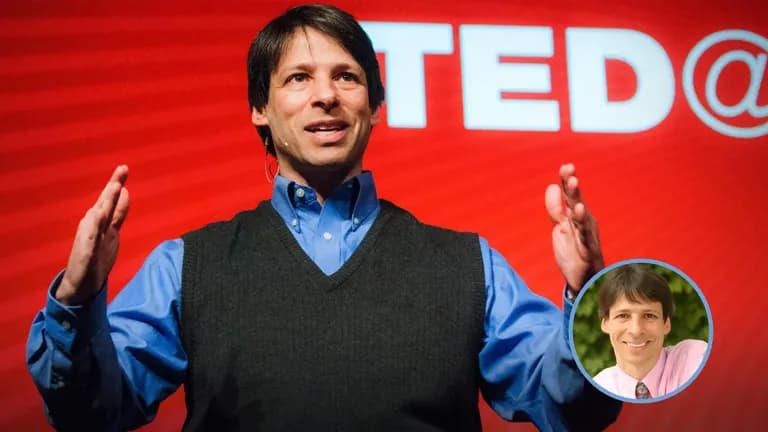
Timothy Doner Turned Teenage Curiosity Into 20-Language Learning
Timothy Doner gained global attention as a teenager studying more than 20 languages through music, conversation, media, and cultural immersion.

Timothy Doner became internationally known before finishing high school because videos showed him speaking in language after language.
The New York teenager's achievement was not simply rapid memorization. It grew from an interest in politics, music, history, religion, and the people who used each language.
Hebrew music started a larger journey
Doner's serious language learning began with Hebrew. He listened to Israeli music, memorized lyrics, and started noticing how familiar pieces could be recombined into new sentences.
He then moved into Arabic and continued outward to languages including Persian, French, German, Russian, Mandarin, Indonesian, Hausa, Swahili, and others.
New York itself became a practice environment. Conversations with residents and online exchanges gave languages a human context.
Why his videos attracted global attention
A video of Doner moving through 20 languages spread widely online. News coverage presented him as a teenage hyperpolyglot.
RTE reported in 2013 that the 17-year-old spoke and studied 20 languages. Later profiles sometimes used higher totals.
Doner has been more careful than many headlines. In a Harvard Crimson interview, he distinguished the languages he spoke fluently from the larger group he had studied or could use conversationally.
20+
Languages studied or demonstrated in early media coverage
17
Age during major international coverage
5–6
Languages he later described as fluent
Source: RTE and Harvard Crimson interviews
Immersion without leaving New York
Doner used songs, films, online media, flashcards, books, and conversations with native speakers.
This was immersion built through attention rather than geography. The city and internet supplied voices; he supplied the willingness to listen closely and risk mistakes.
His interest in the Middle East also gave Hebrew, Arabic, and Persian an intellectual purpose beyond completing a challenge.
What the headlines missed
Large language totals can hide differences in level. Doner's own explanations offer a more useful picture: deep ability in a smaller core, conversational knowledge in others, and exploratory study across a wider range.
That pattern is normal for serious polyglots. Languages compete for time, and inactive skills fade.
Early teens
Began serious Hebrew study through music and cultural interest
Following years
Added Arabic and many other languages
2012–2013
Multilingual videos gained international attention
2014
Discussed language learning while studying at Harvard
Later career
Applied regional and linguistic knowledge beyond social media
Why Timothy Doner's story still matters
His strongest lesson is not that every teenager should collect 20 languages.
It is that curiosity creates endurance. Music supplied repetition, politics supplied questions, and conversations supplied feedback.
Doner showed a generation of online learners that meaningful immersion can be constructed anywhere—but he also showed why honest descriptions of proficiency are more valuable than one spectacular number.
The weekly question
From obsession to clarity — one original question every week.
We answer one noisy topic at a time, in full. No daily roundup, no thread bait — just the question, the principles, and the system.