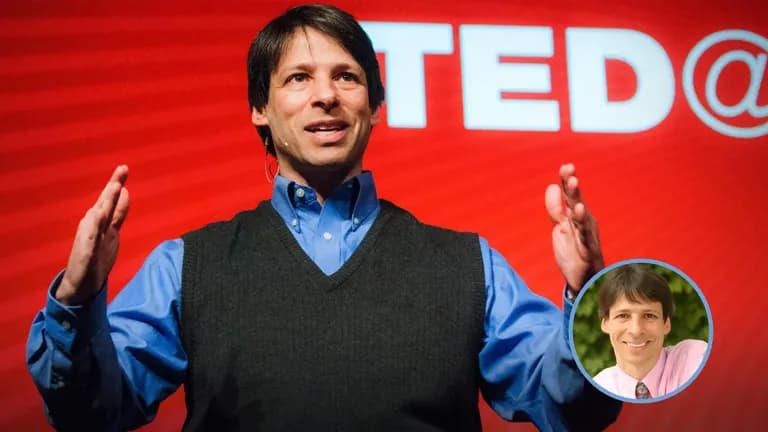
Tim Friede’s Snake-Venom Antibodies Could Help Build Broader Antivenom
After years of dangerous venom self-exposure, Tim Friede developed antibodies that researchers used in an experimental broad antivenom tested in mice.
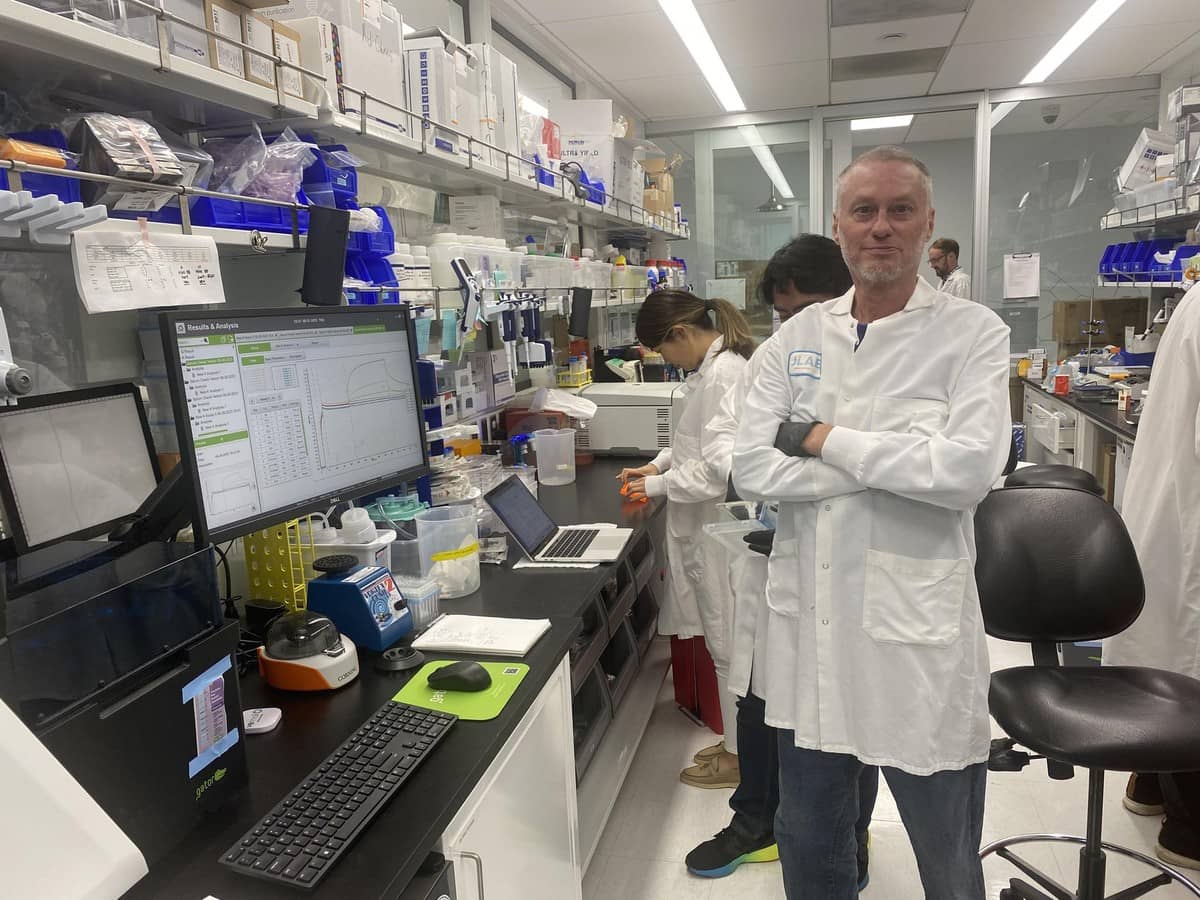
For nearly two decades, Tim Friede repeatedly exposed himself to snake venom and allowed venomous snakes to bite him. The dangerous experiment produced unusual antibodies that scientists are now studying in the search for broader antivenoms.
An experiment no one should copy
Friede began with small venom injections in an attempt to build tolerance, later enduring bites from species including cobras, mambas and taipans. Some exposures sent him to hospital, and one injury contributed to the loss of part of a finger.
His own message is unequivocal: do not try this. Venom dose and composition vary, and a bite can cause paralysis, tissue destruction, organ failure or death.
18 years
Period of repeated exposure studied
2
Human antibodies selected
19
Elapid venoms tested in mice
2025
Study published in Cell
Source: Cell study and Associated Press
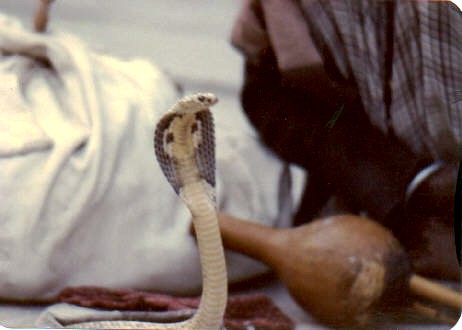
Cobra photograph via Wikimedia Commons.
What researchers found
Scientists isolated two broadly neutralizing antibodies from Friede’s blood. They combined them with varespladib, a drug that inhibits another major class of venom toxin.
In mouse experiments reported in Cell in 2025, the three-part cocktail provided protection across a panel of elapid venoms, the group that includes cobras, mambas, kraits and taipans. Protection varied, and this approach does not yet solve bites from vipers.
Promising—but not ready for patients
The work remains preclinical. It was tested in mice, not people, and researchers must still establish safety, dosing, coverage and effectiveness in real-world snakebite.
Traditional antivenoms are often specific to particular regions or species. A safe, broader therapy could simplify emergency treatment, but it will require years of controlled development.
The geek lesson
Friede’s experiment was reckless and costly, yet scientists were able to turn its biological outcome into structured research. The lasting value will come not from copying his risk, but from converting rare antibodies into a treatment that can be tested safely.
The weekly question
From obsession to clarity — one original question every week.
We answer one noisy topic at a time, in full. No daily roundup, no thread bait — just the question, the principles, and the system.