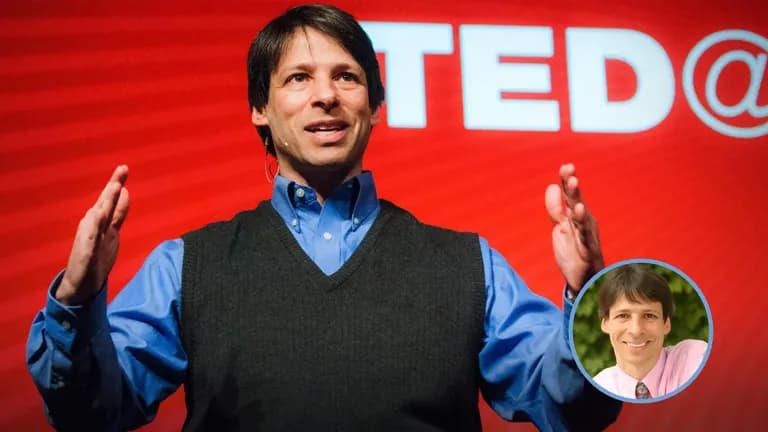
Tim Berners-Lee Connected the World With an Open Web
Tim Berners-Lee changed world wide web with work whose influence still reaches across modern technology.

Tim Berners-Lee did more than build a useful program at CERN. He combined hypertext, internet networking and a universal addressing system into an open medium anyone could extend.
Born 1955
Life
World Wide Web
Field
HTML, HTTP and URLs
Defining milestone
A proposal for linked information
In 1989, Berners-Lee proposed a system to help CERN researchers share documents across incompatible computers. By 1990 he had implemented the first web server, browser and foundational protocols.
Three simple building blocks
HTML described pages, URLs identified resources and HTTP moved them between computers. Their power came from working together—and from the decision not to lock the Web behind a proprietary license.
Defending the open architecture
Berners-Lee founded the World Wide Web Consortium to develop open standards. He has since advocated accessibility, privacy, data control and a Web that serves people rather than only platforms.
Why Tim Berners-Lee still matters
Tim Berners-Lee changed not just a technology, but the expectations around what technology could do. That influence remains visible in tools, institutions and debates today.
Source: Authoritative profile.
The weekly question
From obsession to clarity — one original question every week.
We answer one noisy topic at a time, in full. No daily roundup, no thread bait — just the question, the principles, and the system.