Tami Oldham Ashcraft Navigated 41 Days After a Hurricane
After Hurricane Raymond wrecked her yacht and killed her fiancé, Tami Oldham Ashcraft navigated a damaged vessel roughly 1,500 miles to Hawaii.
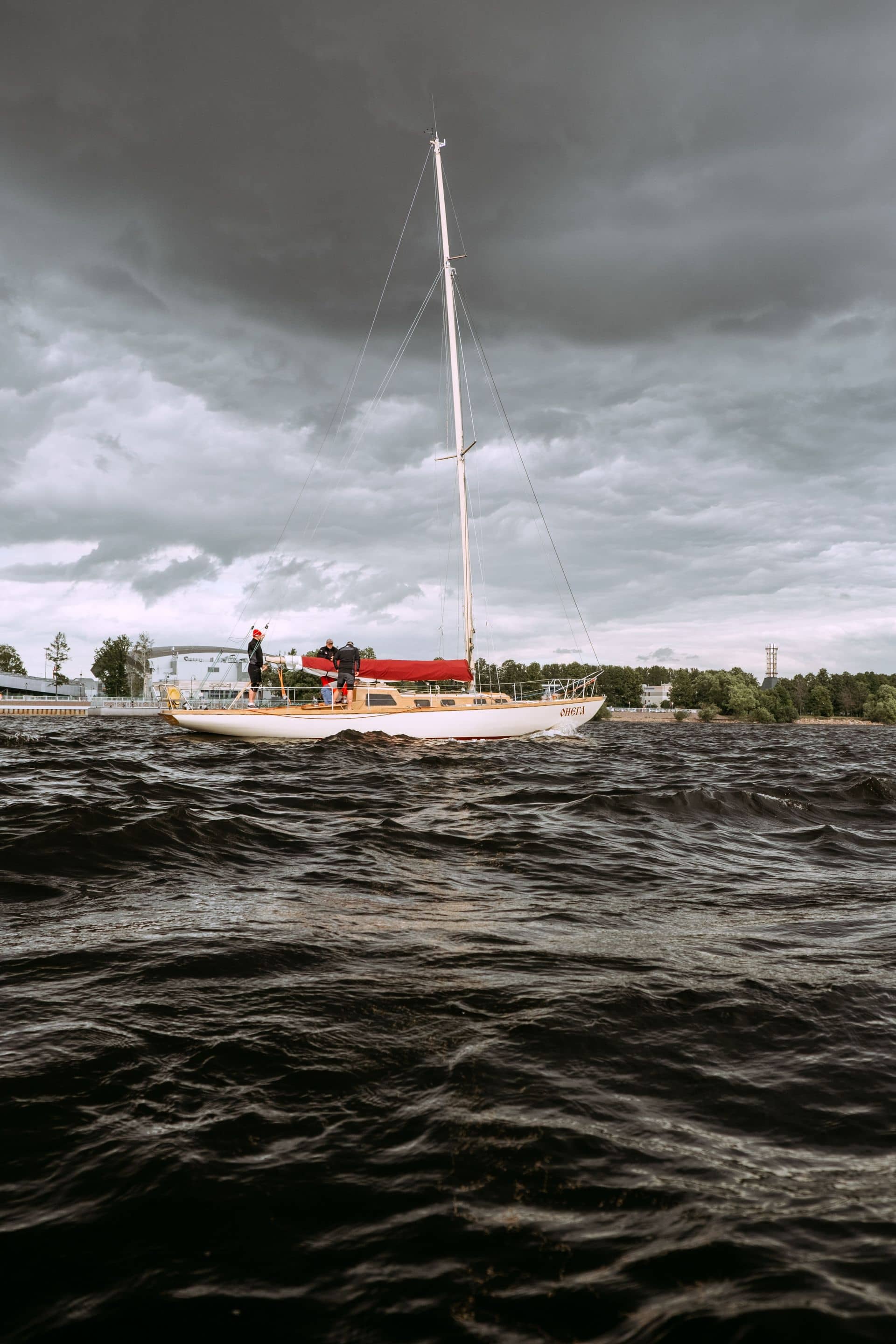
In 1983, Tami Oldham Ashcraft and her fiancé, Richard Sharp, were sailing the yacht Hazaña from Tahiti to California when Hurricane Raymond overtook them.
Ashcraft awoke after being knocked unconscious to find the boat badly damaged and Sharp missing.
A vessel without its main systems
The masts were gone and the cabin was flooded. Ashcraft created a makeshift sail, pumped water from the boat and rationed supplies. With electronic navigation unavailable, she relied on a sextant and watch to estimate her position.
She chose Hawaii as the reachable destination and worked to keep the damaged yacht moving.
41 days
Alone after the storm
~1,500 miles
Distance navigated
1983
Year of Hurricane Raymond
Source: Tami Oldham Ashcraft’s memoir
Grief inside survival
The physical problem was inseparable from grief. Ashcraft had to operate the boat while confronting the loss of her partner. Her survival therefore cannot be reduced to a technical sailing feat, though her navigation and repair skills were essential.
Reaching Hawaii
After 41 days, Ashcraft reached Hilo, Hawaii. She later wrote the memoir Red Sky in Mourning, and her story inspired the film Adrift.
Why her story lasts
Ashcraft survived by setting a destination, constructing workable substitutes and continuing routine tasks amid shock. The voyage is a reminder that competence does not eliminate trauma, but it can create a path through it.
Sources
The weekly question
From obsession to clarity — one original question every week.
We answer one noisy topic at a time, in full. No daily roundup, no thread bait — just the question, the principles, and the system.