Shark Tank Explained: Cast, Applications and Deal Valuations
Shark Tank lets entrepreneurs pitch investors. This guide, checked on 10 October 2026, explains the format, official application routes, current US programme and why on-air offers, funding and company value are separate facts.
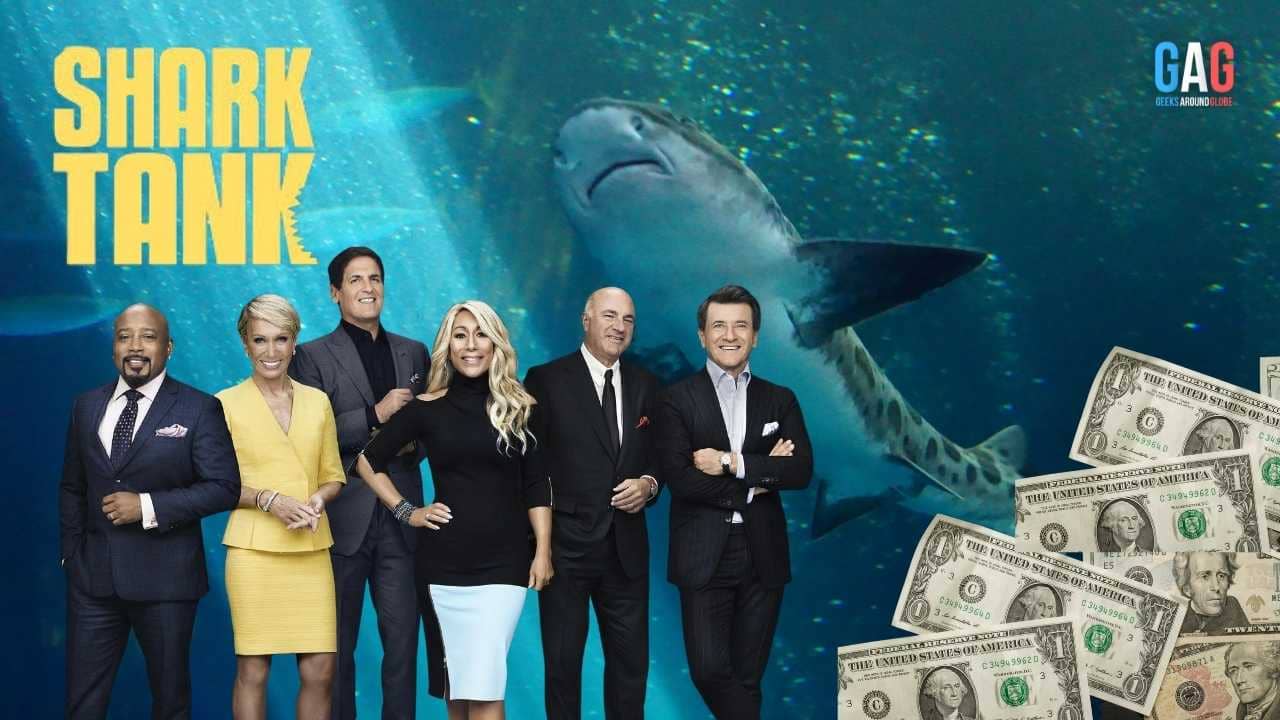
Shark Tank is a television series in which entrepreneurs pitch businesses to investors known as Sharks. This guide explains the format, how applications work, and how to read the deal and valuation figures used on the programme. Programme information was checked on 10 October 2026; historical photographs below are retained from the original edition.

What is Shark Tank, and where did it start?
Nippon TV’s history of the format traces it to Japan’s Money Tigers in 2001, followed by the UK’s Dragons’ Den in 2005 and the US version on ABC in 2009. The international versions share a pitching format, but their casts, currencies, schedules and application rules differ.
The entrepreneurs seek investment; the investors decide whether the opportunity fits their interests. A pitch can produce an offer, competing offers or no deal. Viewers should separate what an entrepreneur asks for, what is accepted on screen, and what later evidence confirms.
Who makes the US show?
ABC’s current programme information credits MGM Television, part of Amazon MGM Studios, in association with Sony Pictures Television. It identifies Nippon Television Network Corporation as the creator of the underlying format. Mark Burnett is among the executive producers; describing him as the sole founder of the format is inaccurate.

Which season and Sharks are current?
At our October 2026 check, ABC describes the US programme’s 18th season. Its listed Sharks are Barbara Corcoran, Lori Greiner, Robert Herjavec, Daymond John, Daniel Lubetzky, Kevin O’Leary, Kendra Scott and Rashaun Williams, with guest investors appearing during the season. Consult the broadcaster’s episode listings for a particular panel.
These photographs show participants from the guide’s original edition. They are historical illustrations, not a current cast roster or a wealth ranking.


Does accepting an offer mean the investment is completed?
No. In guidance published by ABC, executive producers Mark Burnett and Clay Newbill explain that a due-diligence process follows an on-screen deal. An episode therefore establishes the televised agreement; confirming that money changed hands requires subsequent evidence.
When reading an update, look for a dated statement from the founder or investor, an announcement of the completed investment, or another source that explains what actually happened afterward. An unchanged episode recap is not a later closing confirmation. Equally, a missing public announcement does not prove that a deal failed.
For examples of later founder confirmation, see our Remento update and SwiftPaws update. Each identifies the source of the closing account and separates it from current valuation.
How is a pitch valuation calculated?
For a simple equity proposal, divide the investment by the ownership percentage expressed as a decimal. In a hypothetical offer of $100,000 for 10%, $100,000 ÷ 0.10 equals $1 million. If the money purchases newly issued shares on those terms, that is the implied post-investment equity value; subtracting the new $100,000 gives a $900,000 pre-investment value.
This calculation describes the proposal. It is not an appraisal of the company today and is not the founder’s personal net worth. Royalties, loans, contingent terms and other structures also need to be considered separately; the simple formula does not describe every agreement.
| Figure | What it tells you |
|---|---|
| Pitch valuation | The value implied by proposed investment terms at that time |
| Revenue | Sales over the stated reporting period, not automatically profit |
| Funding raised | Capital obtained; not automatically the value of the business |
| Current company valuation | A separate, dated valuation question requiring evidence |
| Founder net worth | A personal assets-and-liabilities question, not the company’s sales |
Our No Limbits funding update illustrates why a funding announcement and a current company valuation should be recorded separately.
The Kim Nelson and Daisy Cakes profile applies the same distinction to a founder: a business story does not establish its owner’s personal assets and liabilities.
Shark Tank deal tracker: what happened after the handshake?
Evidence reviewed October 10–11, 2026. This starter tracker separates the offer accepted on television from evidence of a later investment. It covers three reviewed companies. An accepted offer does not, by itself, prove that the investment closed on those terms.
| Company | Accepted TV offer | Evidence after filming | Current financial disclosure |
|---|---|---|---|
| Reviver | $150,000 for 15%, Lori Greiner | Reported investment relationship. A March 30, 2015 founder follow-up describes her investment and partnership. Final contract terms and current ownership are unverified. | Current value and annual revenue not publicly verified. |
| Cubicall | $350,000 for 25%, Barbara Corcoran | Conflicting accounts. Founders told KTNV on November 12, 2021 it fell through. An undated associated agency page says it closed. No dated clarification resolves the disagreement. | Current value and annual revenue not publicly verified. |
| Monkey Mat | $100,000 for 35%, Mark Cuban and Lori Greiner jointly | Founder-reported closed. In a March 2, 2022 interview, Turich said the deal closed after due diligence. Cuban’s account published May 15, 2020 says the business had decided to close. Final signed terms and current ownership are unverified. | Current value and annual revenue not publicly verified. |
The televised terms are documented in Inc.’s October 10, 2014 Reviver interview, the Daily Herald’s May 17, 2019 Cubicall report and a Monkey Mat recap published April 4, 2014. The linked company updates explain current product availability and source limitations.
Historical retail sales, a pitch-implied valuation and current net worth answer different questions. A source-backed sales milestone can be reported with its date and attribution; it cannot be converted into current profit, company value or founder wealth without additional financial evidence.
How do you apply to Shark Tank?
Start at ABC’s official Shark Tank application page. It links to online applications and open-call information. Read the current application requirements and any release forms before submitting; this general guide does not establish anyone’s eligibility.
ABC’s open-call page said the 2026 open calls were closed when checked for this update. Its online application route is separate, so follow the current official page rather than an old audition date. ABC also says official casting-team emails use the @sharktanktv.com domain.
For an open call, the official instructions describe a short business pitch and a completed application form. They do not guarantee selection for the programme or an investment. We have removed the unsupported claim that Sharks must pay a particular multimillion-dollar fee to participate.
Where can you watch the US programme?
ABC’s current listing identifies ABC and Hulu as viewing destinations. Check the broadcaster or streaming service for local availability and episode access. This guide does not promise a specific free trial, price or permanent broadcast slot.
How do the international versions differ?
Nippon TV’s February 2024 announcement documented the format’s expansion into 50 territories. It identifies versions under Shark Tank, Dragons’ Den and Lions’ Den, including the US, India, Mexico, Colombia and Vietnam. That was a dated milestone, not a live count of seasons or currently airing programmes.
The original guide included these country-edition images. They remain as historical illustrations; use each country’s official broadcaster for its current cast, schedule and application rules.
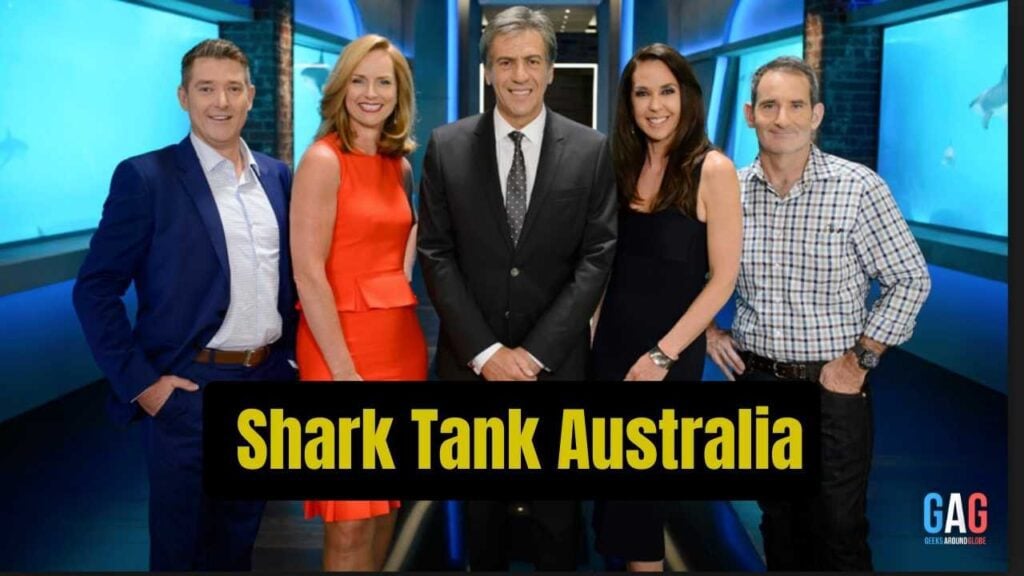


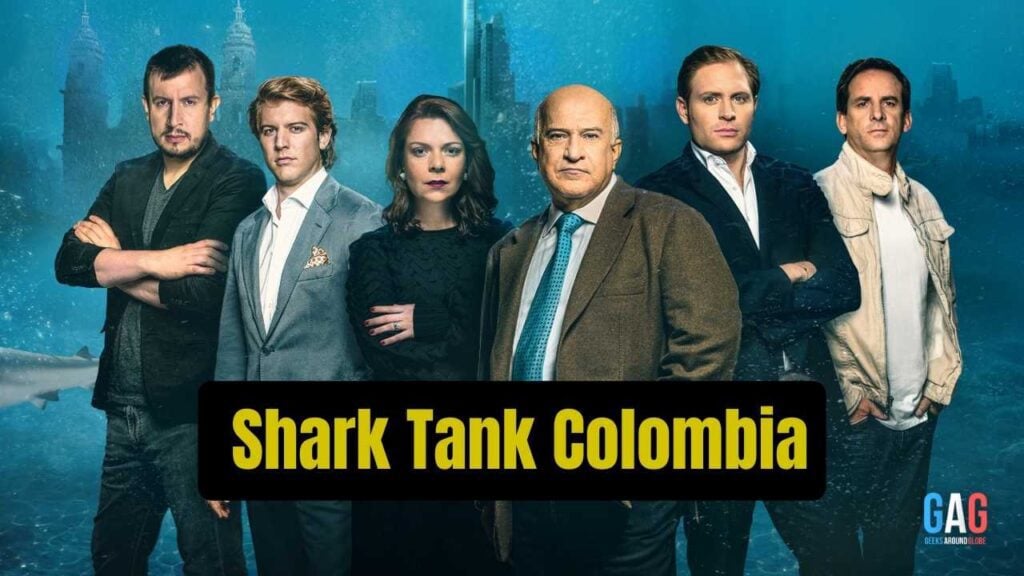
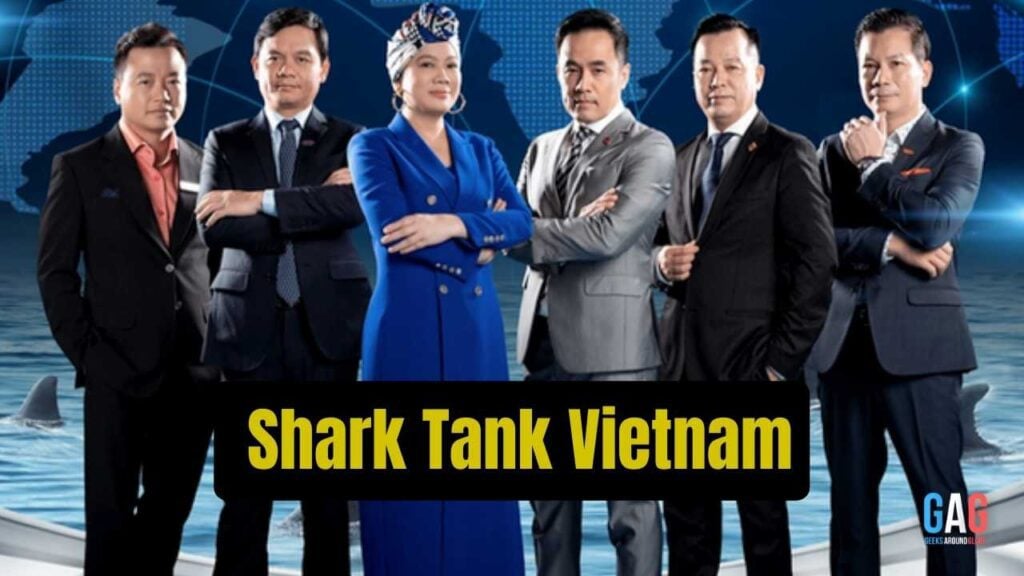
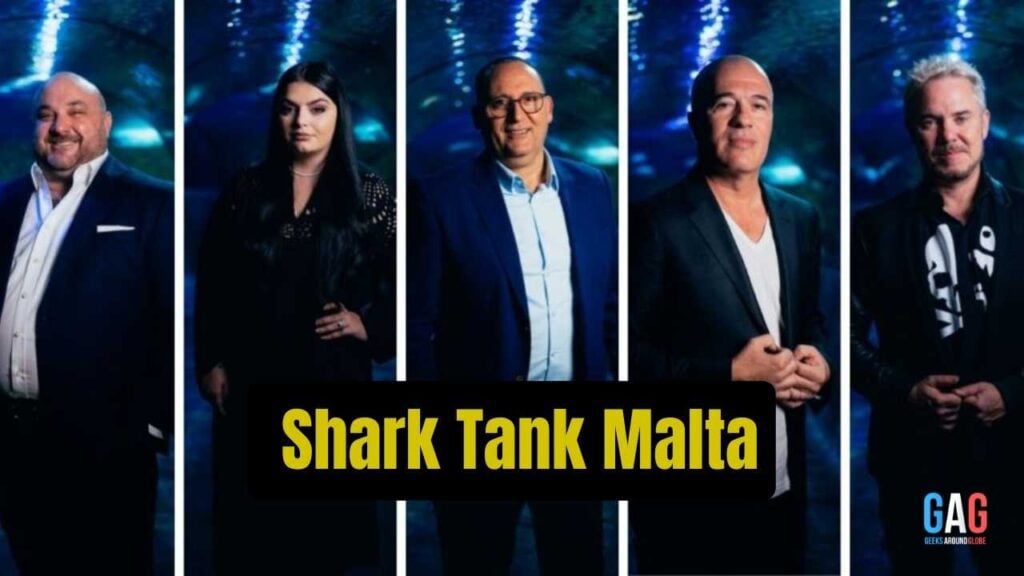
For a Dubai example, our Everythink follow-up uses John Achkar’s own account of his pitch and later work. It is a separate country-edition story, not an episode of the US programme.
How should you compare products featured on the show?
A “most successful” list needs a defined measure and comparable dates. Lifetime revenue, one year’s sales, a funding round and an acquisition price answer different questions. A company can also continue to develop after declining an offer or leaving without a deal.
The product images below appeared in the original guide: Bombas, Scrub Daddy, Squatty Potty, Simply Fit Board, The Original Comfy, Tipsy Elves, The Bouqs and Sleep Styler. They are examples from that edition, not a ranking. We have withdrawn its unsourced or undated sales totals, investor-wealth estimates and claimed current values.


For company-specific follow-ups, begin with our Shark Tank coverage and check the date and sources attached to each material claim.
Correction — 10 October 2026: This guide replaces obsolete season and casting information, corrects format and production credits, distinguishes televised offers from completed investments, and removes unsupported financial rankings, participation-cost claims and blanket assurances of legal protection for ideas. Historical images remain; the article URL is unchanged.
Our Bite Toothpaste Bits follow-up examines the business beyond its pitch. The Besomebody update also explains why a later business must be distinguished from the app presented on television.
The weekly question
From obsession to clarity — one original question every week.
We answer one noisy topic at a time, in full. No daily roundup, no thread bait — just the question, the principles, and the system.