Sergey Karjakin Became a Grandmaster at 12 Years 7 Months
Sergey Karjakin set a landmark chess record by becoming a grandmaster at 12 years and 7 months, then developed into a world championship challenger.
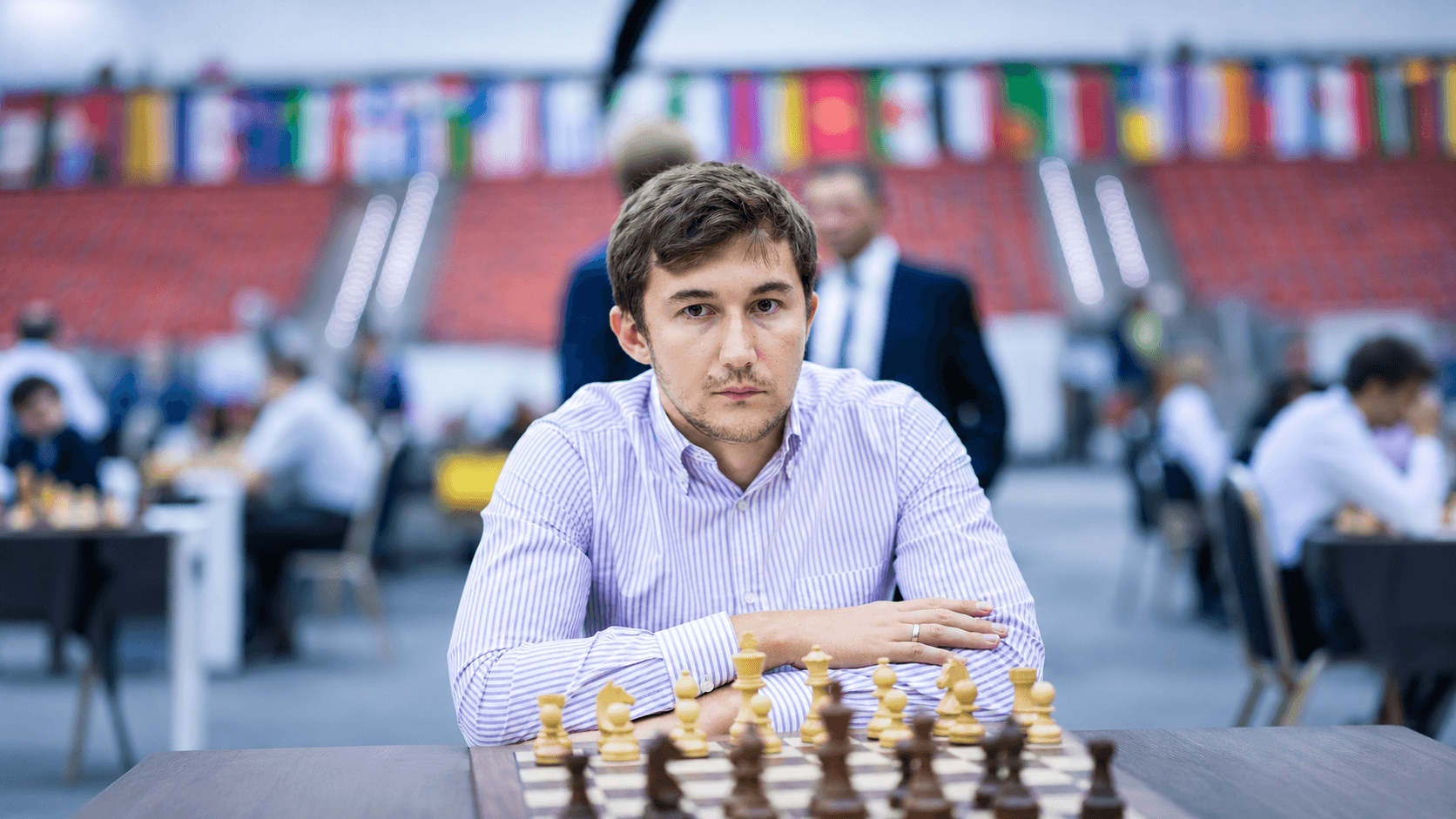
In 2002, Sergey Karjakin became a chess grandmaster at 12 years and 7 months. The record stood for almost two decades and turned his name into shorthand for extreme precocity in a game where mastery usually takes years of disciplined study.
Karjakin was born in Simferopol, Crimea, in 1990 and learned chess as a young child. At 11, he served as an official second to Ruslan Ponomariov during the 2002 FIDE World Championship match. Months later, he completed the requirements for the grandmaster title himself.
What the title requires
Grandmaster is not simply a label given to a talented junior. A player normally must achieve three qualifying “norm” performances in strong tournaments and reach a FIDE rating of at least 2500.
Karjakin completed that process before his 13th birthday. His record was broken by Abhimanyu Mishra in 2021 and later by Faustino Oro in 2024, but the achievement remains a landmark of junior chess.
1990
Born
Simferopol
12y 7m
Grandmaster
Record set in 2002
2016
Candidates winner
Earned a world title match
Runner-up
World title result
Lost in tiebreaks
From prodigy to challenger
Karjakin won the 2012 World Rapid Championship and the 2015 Chess World Cup. Victory in the 2016 Candidates Tournament earned him the right to challenge Magnus Carlsen.
Their 12-game classical match in New York finished 6–6. Karjakin defended resourcefully and won game eight, but Carlsen prevailed in the rapid tiebreak. The match confirmed Karjakin’s ability to withstand pressure at the highest level.
A career with serious controversy
Karjakin represented Ukraine earlier in his career and changed federation to Russia in 2009. In 2022, FIDE’s Ethics and Disciplinary Commission banned him from rated competition for six months after finding that public statements supporting Russia’s invasion of Ukraine brought chess into disrepute.
That sanction is essential to a current account of his career. It does not erase his chess results, but it changed his relationship with international competition and how many followers view his legacy.
Why the record mattered
Karjakin’s achievement reset expectations for how quickly young players could progress. Today’s juniors benefit from engines, online competition and global coaching, yet the underlying obsession is familiar: calculate, review, correct and repeat.
His story is both a record of exceptional development and a reminder that public legacies are shaped by conduct beyond the board.
Sources
The weekly question
From obsession to clarity — one original question every week.
We answer one noisy topic at a time, in full. No daily roundup, no thread bait — just the question, the principles, and the system.