Scott Kelly Spent Nearly a Year in Space to Study Human Endurance
Scott Kelly transformed an obsession with human endurance in space into a defining contribution to human spaceflight.
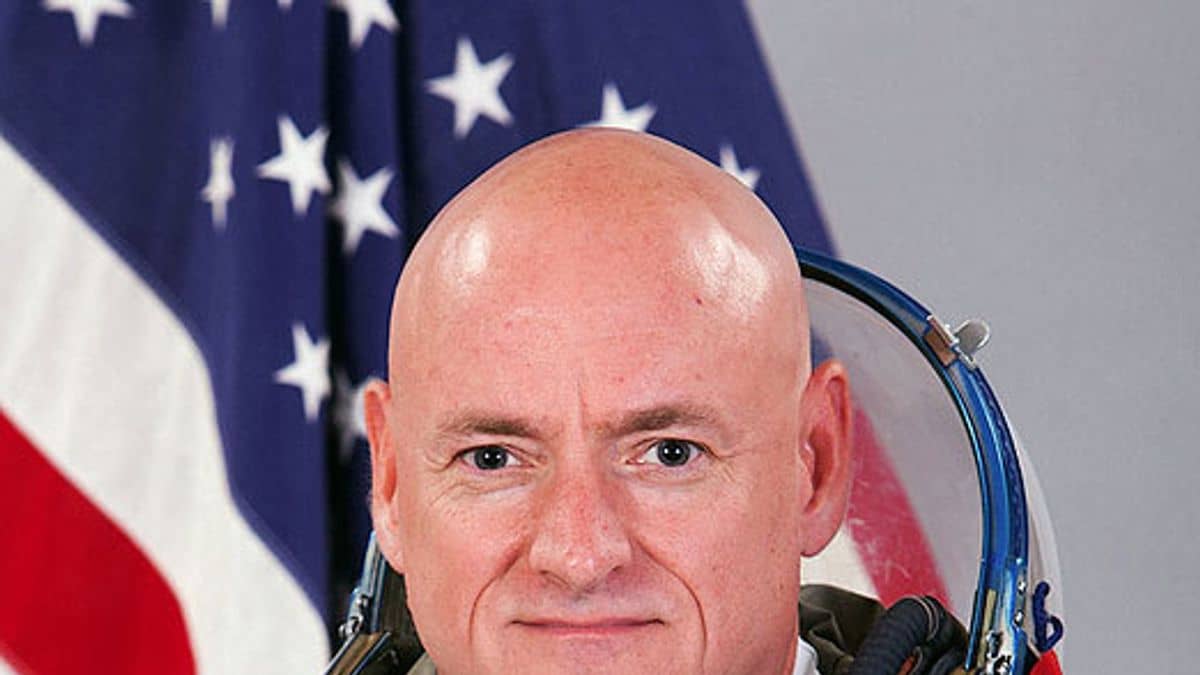
Scott Kelly spent 340 consecutive days aboard the International Space Station to help researchers understand how long missions affect the human body.
The achievement grew from an obsession with human endurance in space. It required years of technical preparation, repeated simulation, physical conditioning, and trust in a team spread between the spacecraft and Earth.
The path from expertise to spaceflight
Before the defining mission, Scott Kelly served as a U.S. Navy test pilot and flew three earlier space missions before the year-long expedition.
That background mattered because astronauts do far more than travel. They operate complex systems, perform research, maintain equipment, and prepare for emergencies in an environment where outside help cannot arrive quickly.
The missions that shaped the career
The defining assignments included the ISS One-Year Mission. Through that work, Scott Kelly completed a 340-day mission while scientists compared health data with his identical twin, Mark Kelly, on Earth.
1996
Selected by NASA
1999
First spaceflight on STS-103
2010
Commanded Expedition 26
2015–2016
Completed 340 consecutive days in orbit
These accomplishments depended on thousands of people working behind the scenes. Flight controllers, engineers, medical teams, trainers, researchers, and fellow crew members all contributed.
Why the achievement mattered
The mission generated data about vision, immunity, genetics, cognition, and physical recovery that informs planning for deep-space travel.
The story is therefore larger than one record or mission. It added experience, scientific knowledge, and a visible example for people imagining who could take part in exploration.
The discipline behind the public moment
Spaceflight combines wonder with routine. Crews spend long hours exercising, checking equipment, documenting experiments, communicating with Earth, and solving small problems before they become dangerous.
For Scott Kelly, the obsession with human endurance in space gave that routine a clear purpose. Mastering details was not separate from the adventure—it was what made the adventure possible.
Why Scott Kelly still matters
Scott Kelly's career demonstrates how expertise can become exploration when it is joined with courage and teamwork.
The milestone remains memorable, but the preparation behind it offers the most useful lesson. Future lunar bases and Mars missions will depend on the same patience, technical honesty, and shared responsibility.
That is why this story continues to matter long after the spacecraft returned to Earth.
Primary reference: Official biography and mission information.
Featured image: person-specific portrait selected with the entire face and head safely inside the frame.
The weekly question
From obsession to clarity — one original question every week.
We answer one noisy topic at a time, in full. No daily roundup, no thread bait — just the question, the principles, and the system.