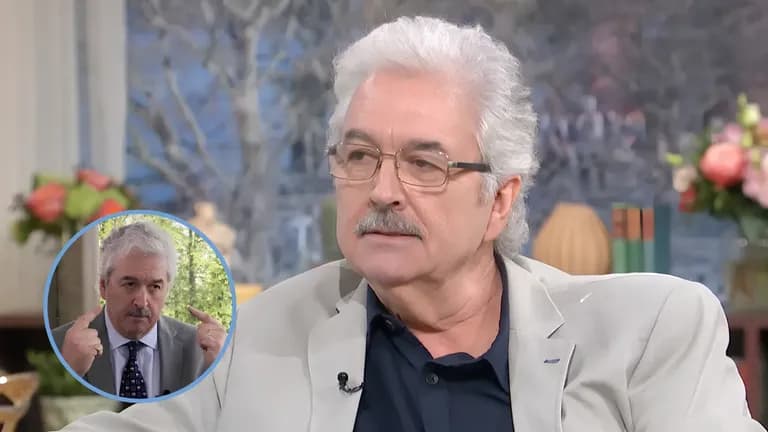
Richard Simcott Built a Global Community Around Languages
British polyglot Richard Simcott turned decades of language learning into conferences and communities connecting multilingual learners.

Richard Simcott's language learning became more than a private pursuit. It grew into a way of connecting people who once practiced multilingualism largely alone.
The British polyglot is known for studying and using many languages, but his most durable achievement may be the community infrastructure he helped build around them.
How curiosity became a multilingual life
Simcott grew up in England and developed an early interest in the sounds and structures of other languages.
Study, travel, work, and family life expanded his opportunities to use them. Instead of treating each language as a completed project, he kept adapting his repertoire to the people around him.
Reports often attach totals of 30 or 40 languages to his name. Simcott himself has emphasized that proficiency varies and that active ability depends on regular use.
From private study to Speaking Fluently
The internet allowed language learners to demonstrate methods, exchange materials, and find practice partners across borders.
Simcott used online platforms to share what he had learned and to connect people who were tackling similar problems: how to maintain several languages, how to revive an inactive one, and how to choose the next challenge.
His public work made multilingualism feel less like a solitary talent and more like a community practice.
2013
First Polyglot Conference
30+
Languages often associated with his studies at varying levels
Global
Reach of conference events and online participation
Source: Polyglot Conference and published profiles
Why the Polyglot Conference mattered
Simcott co-founded the Polyglot Conference, which began in 2013. The event brought together learners, teachers, researchers, translators, and people who simply loved languages.
Participants could compare practical methods without pretending that one system worked for everyone. Talks covered pronunciation, minority languages, maintenance, identity, translation, technology, and motivation.
Academic work identifies Simcott as a co-founder of the annual event and a significant figure in the modern polyglot community.
What his approach says about maintenance
Learning a new language produces visible progress. Maintaining an old one is quieter and often more difficult.
Simcott's multilingual life highlights the need to rotate attention. A language used at home or work stays active differently from one maintained through reading, media, or occasional conversation.
Early years
Developed an interest in foreign languages
Adult life
Expanded his repertoire through study, travel, work, and family
Online era
Built the Speaking Fluently community
2013
Co-founded the Polyglot Conference
Today
Continues connecting language learners internationally
Why Richard Simcott still matters
His story shifts attention away from record chasing and toward shared learning.
Language ability is difficult to sustain alone. Communities provide correction, encouragement, cultural context, and reasons to keep using what has been learned.
Simcott's central contribution is therefore larger than any claimed total. He helped create places where multilingual people could meet, compare experience honestly, and make language learning a collective project.
The weekly question
From obsession to clarity — one original question every week.
We answer one noisy topic at a time, in full. No daily roundup, no thread bait — just the question, the principles, and the system.