
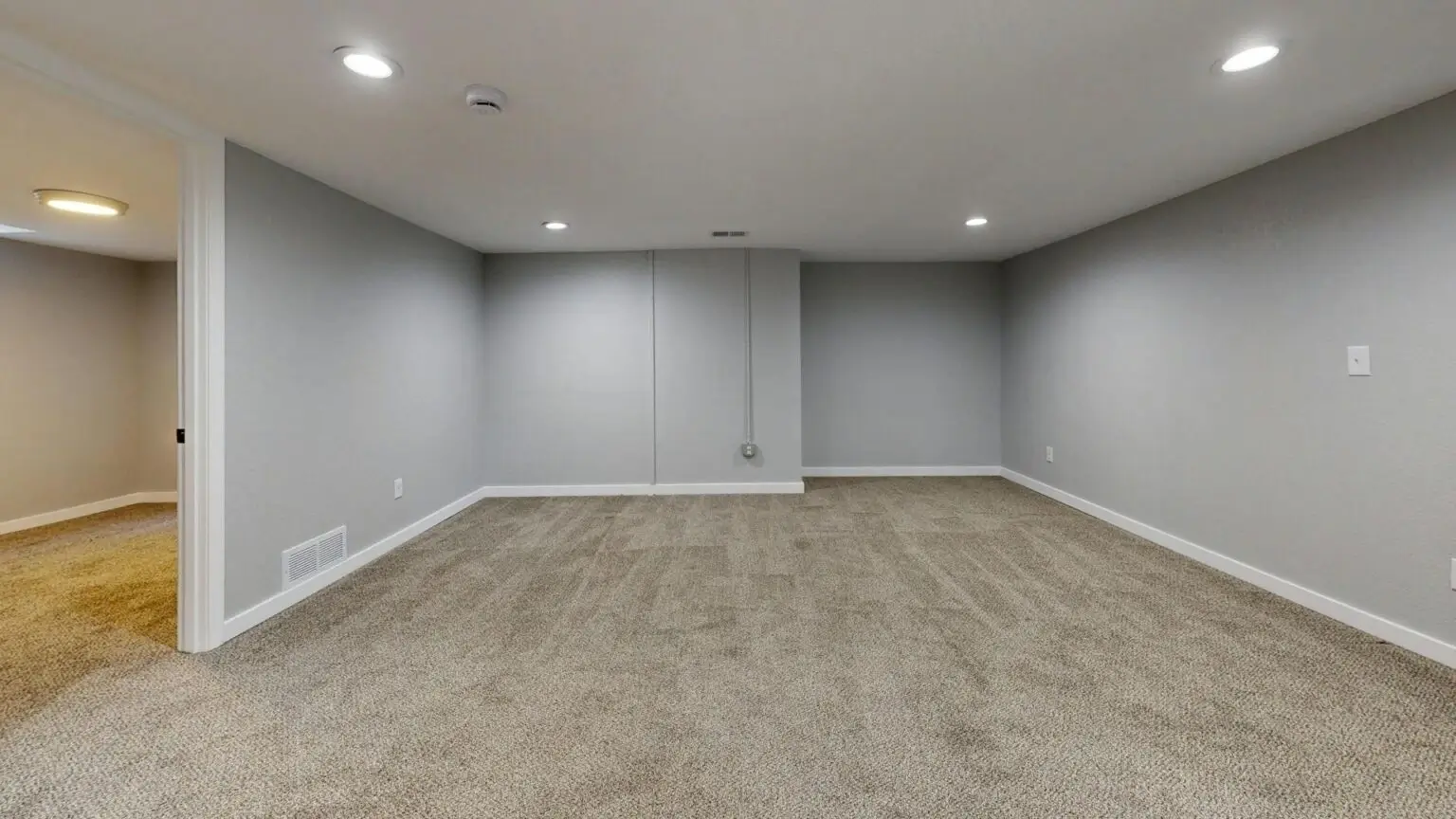
Basements get a bad reputation. Dark, a bit damp, full of things no one touches. You go down. You grab something. You leave fast. Not exactly a space you want to sit in.
But is that a fixed rule? Not at all!
A basement can be extremely useful, when done right, of course. It can turn into a work zone, a place to relax, even a second living room that people actually use. The problem? Most people just don’t think it through. They just finished the walls, throw in some lights. They think it’s done.
Doesn’t work like that. If the space doesn’t match how you live, it stays empty. The goal is simple—build something that fits your routine. Not perfect, just usable. Something that pulls you downstairs without thinking twice.
Start With a Clear Purpose
You can’t fix a basement without knowing what it’s for. People often try to fit everything—gym, lounge, office—into one space. That just makes the space chaotic.
Pick one main use. Maybe two, but keep it tight. If you work from home, build around that. You’ll probably focus on desk placement, outlets, and lighting. If it’s for family time, seating and open space might be top priorities. So, yeah, that decision shapes everything else.
Engage Experts From the Beginning
This part gets ignored until something goes wrong. Then it costs more to fix.
A solid basement finishing company knows what to look for right away. They check structure, wiring paths, insulation gaps—things you won’t notice at first glance. They also know local codes, which matter more than people think. One missed detail, and everything can get delayed.
And it’s not just about avoiding problems, you know. They help shape the plan. Layout ideas, material choices, and even small adjustments that make the space easier to use. Without that input, you might end up redoing sections later.
Bring them in early. Saves headaches later.
Check for Moisture and Structural Issues
Basements deal with moisture. Always have. Even if it looks dry, there could be hidden damp spots. Small cracks in the wall, slight leaks after rain—easy to miss, but don’t ignore them.
You don’t want to finish over that. It traps the problem inside. Then you get mold, warped materials, and that stale smell that doesn’t leave.
So, inspect the area. Seal cracks, fix drainage if needed, maybe add a sump pump if water collects. Not exciting work, but it sets the base. Skip it, and everything else becomes a risk.
Plan the Layout Carefully
Basements aren’t open boxes. You’ve got beams, low ceilings, odd corners. You can’t just copy a main floor layout and expect it to work.
Work with what’s there. Place key areas where the ceiling height is best. Keep walkways clear—tight spaces feel worse down here than upstairs. If you’re dividing zones, do it lightly. Half-walls, furniture placement, not full barriers unless needed.
Flow matters. You should move through the space without thinking about it. If it feels cramped or awkward, you won’t use it much.
Focus on Lighting Solutions
Lighting can change everything in the basement – literally. Bad lighting makes it feel like a storage room, no matter how nice the finishes are.
You won’t get much natural light, so what do you do? Simple; you build your own.
You’ll need ceiling lights for general brightness. Add layers—floor lamps, wall fixtures, maybe some hidden strips. Spread it out. One bright spot in the middle doesn’t help.
Go for warmer tones. Harsh white light makes the space feel cold, almost clinical. Softer light pulls it together, makes it easier to sit there longer.
Choose Durable and Suitable Materials
Basements aren’t like the rest of the house. The air feels heavier, a bit cooler, and sometimes damp without warning. So regular materials don’t always hold up well here.
Skip anything that reacts badly to moisture. Solid hardwood, for example, swells and shifts. It starts looking off within months. Go for vinyl, tile, or sealed concrete. They sit better in this kind of space – no constant attention needed.
Walls matter too. Standard drywall can work, but mold-resistant options are safer. Costs a bit more, yet saves trouble later.
It’s less about looks, more about staying power. If materials hold steady, the space stays usable. No peeling, no odd smells creeping in.
Improve Ventilation and Air Quality
A finished basement can still feel stale if air isn’t moving. You walk in, and it still doesn’t feel quite right. Not bad exactly, just not fresh enough.
The culprit here is usually poor airflow. Basements sit below ground, so they don’t get natural circulation like upper floors. You have to create it.
Extend your HVAC if possible. That’s the cleanest fix. If not, add vents, maybe a dehumidifier. Keeps moisture levels in check. It helps avoid that damp air feeling.
Add Smart Storage Solutions
Even a finished basement collects stuff. It just happens. So storage has to be part of the plan, not an afterthought.
Built-in shelves work well, especially along walls that might otherwise sit empty. Cabinets keep things hidden, which helps the space stay clean-looking. You can also tuck storage under stairs or inside benches—small spots that don’t interrupt the layout.
You don’t have to pack everything in. Just keep it organized enough so the main area stays clear. Once clutter spreads, the room starts slipping back into storage mode again.
Keep Comfort in Mind
Basements tend to run colder. Even in summer, there’s a chill that doesn’t quite leave. Sit down there long enough, and you notice it.
Insulation helps, sure. But sometimes you need more. Area rugs, soft seating, and maybe a small heating unit, depending on the setup. These aren’t big changes, but they shift how the space feels.
Comfort also comes from sound. Basements can echo if they’re too bare. Add fabric—curtains, cushions, anything that softens the noise. That makes it easier to hang out there and have meaningful conversations.
A basement can sit unused for years, or it can carry real purpose. The difference isn’t huge design moves. It’s a series of choices that either connect or don’t. Get the basics right. Then shape the rest around how you live, not how it’s supposed to look. Some parts will feel rough at first, maybe even incomplete. That’s fine. Spaces like this settle in slowly.
What matters is that it works. You go down there, stay a while, and come back again the next day without thinking much about it. That’s when you know it’s doing its job.