
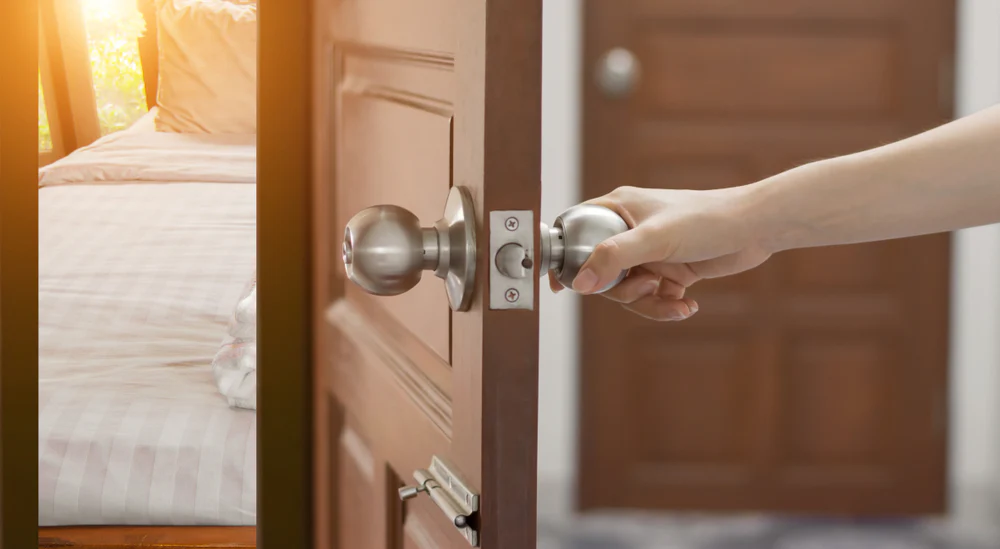
Door handles are easy to overlook—until one sticks, wobbles, pinches your fingers, or simply feels wrong in your hand. Because you use them dozens of times a day, small design and material choices add up quickly. The right handle makes movement through a home or workplace smoother, quieter, and safer. The wrong one becomes a daily irritation, or worse, a point of failure when you need reliability most.
Quality door handles aren’t about “luxury” for its own sake. They’re about frictionless living: fewer snags, fewer repairs, better accessibility, and a finish that doesn’t look tired after a year of use. Let’s unpack where that value shows up in real life—and how to choose well.
The hidden role of door handles in everyday flow
A door handle is a mechanical interface between you and a door’s latch. That sounds simple, but it’s doing a lot of work. Each use involves grip, rotation, return-to-spring, and latch retraction—often while your hands are wet, full, or gloved. Multiply that by family life, deliveries, pets, guests, and constant movement, and you start to see why build quality matters.
Ergonomics: comfort you notice only when it’s missing
A well-designed lever handle supports a natural wrist position and spreads pressure across your hand. That means less strain when you’re carrying shopping, helping a child, or opening a door repeatedly in a busy office. Ergonomic gains often come from subtle details:
- A lever length that gives good torque without feeling oversized
- A return spring that’s firm enough to feel positive, not so tight it fights you
- Edges that are chamfered or radiused rather than sharp
Knobs can look classic, but levers typically win for ease of use—particularly for children, older adults, and anyone with reduced grip strength.
Consistency: the “feel” that signals quality
You can often sense quality before you can explain it. A stable handle doesn’t wiggle on the spindle. The mechanism engages smoothly. The latch retracts without a crunchy sound. These are small cues, but they reflect good tolerances, stronger internal components, and better assembly—all of which reduce the chance of gradual loosening.
Durability isn’t just about strength—it’s about wear patterns
Most handle failures aren’t dramatic. They’re gradual: sagging levers, loose roses, finishes that pit, or mechanisms that stop springing back. The difference between a handle that lasts two years and one that lasts ten often comes down to two factors: material and engineering.
Materials: brass, stainless steel, and the finish reality check
Different materials behave differently under skin oils, cleaning products, humidity, and friction. Brass is valued for its solid feel and long-term resilience; stainless steel is often chosen for corrosion resistance and high-traffic environments. What matters just as much is the finish process. A finish that looks great on day one can still wear poorly if it’s thin, uneven, or not suited to the setting.
If you’re choosing fittings that need to cope with frequent use while still looking considered, it’s worth browsing examples of durable and stylish handles for your doors to see how different designs and finishes are specified. Even if you don’t buy from any particular source, comparing specifications—material grade, finish type, and intended use—helps you avoid handles that are pretty in photos but fragile in reality.
Engineering: springs, spindles, and why “solid” matters
Inside the handle, the return spring and follower mechanism determine how it behaves over time. A strong spring mechanism helps prevent droop (that downward sag that makes doors look uncared-for). A robust spindle connection reduces wobble. And tighter tolerances mean fewer rattles and less wear on the latch.
If you’ve ever tightened a handle only to have it loosen again a week later, that’s often a sign of poor internal fit or weak fixing points—not just “installation error.”
Better handles can improve security and privacy
A door handle isn’t the lock, but it interacts with the locking system. A handle that flexes, loosens, or misaligns can cause incomplete latch engagement. Over time, that can lead to doors that don’t shut properly unless you pull them hard—hardly ideal for security, energy efficiency, or peace of mind.
Alignment reduces latch stress
When handles and latches align well, you get clean, repeatable closing. When they don’t, the latch can scrape the strike plate, the handle can feel stiff, and users start slamming doors. Quality hardware doesn’t fix a badly hung door, but it’s far more forgiving and less likely to become part of the problem.
Privacy sets and bathroom use: where reliability is non-negotiable
For privacy handles (bathrooms, bedrooms, meeting rooms), the mechanism needs to work every time. A cheap thumbturn that slips or a handle that doesn’t return cleanly can quickly turn into a lockout scenario. Paying attention to the internal mechanism and the sturdiness of the thumbturn/indicator assembly is especially important in these rooms.
Accessibility: small hardware choices with big impact
Accessibility isn’t only about regulations; it’s about making spaces comfortable for everyone. Lever handles generally support:
- One-handed operation
- Use with limited grip strength
- Easier opening when your hands are full
In homes, this can be the difference between a space that “works fine” and one that quietly reduces daily friction. In workplaces, it can support inclusive design without the space needing to look clinical.
Choosing the right handle: focus on context, not trends
Style matters—handles are one of the most visible touchpoints in a room. But style should follow function, not override it. Before you pick a finish because it looks great online, think about where the door sits and how it’s used.
A quick, practical checklist (no overthinking required)
- High-traffic doors (front doors, kitchens, offices): prioritise robust mechanisms and wear-resistant finishes.
- Humid areas (bathrooms, near utility rooms): look for corrosion resistance and finishes that tolerate frequent cleaning.
- Family homes: avoid sharp edges; consider levers that are comfortable for smaller hands.
- Period properties: match the architectural language, but still insist on solid internals—heritage style doesn’t require flimsy construction.
Installation and maintenance: getting the full benefit
Even excellent handles perform poorly if installed badly. Common issues include misaligned spindles, overtightened screws that distort the rose, or fixing into weak timber without proper anchoring. If you’re not confident, a competent installer can save you repeat fixes later.
Maintenance is usually simple: tighten fixings periodically (especially in the first few months), clean with non-abrasive products, and avoid harsh chemicals that strip protective coatings. That’s it. Quality hardware should not require constant attention.
The takeaway: good handles reduce daily friction
You touch a door handle more often than most objects in your home. When it’s well made, it disappears into the background—in the best possible way. Doors open smoothly, close cleanly, and feel dependable. When it’s poorly made, you notice constantly: loose fittings, sticky action, fading finishes, and that creeping sense that the building isn’t being looked after.
Choosing quality door handles is one of those practical upgrades that improve everyday functionality without demanding your attention. And in a world full of noisy “smart” additions, there’s something refreshing about a simple improvement you can feel in your hand, every single day.