
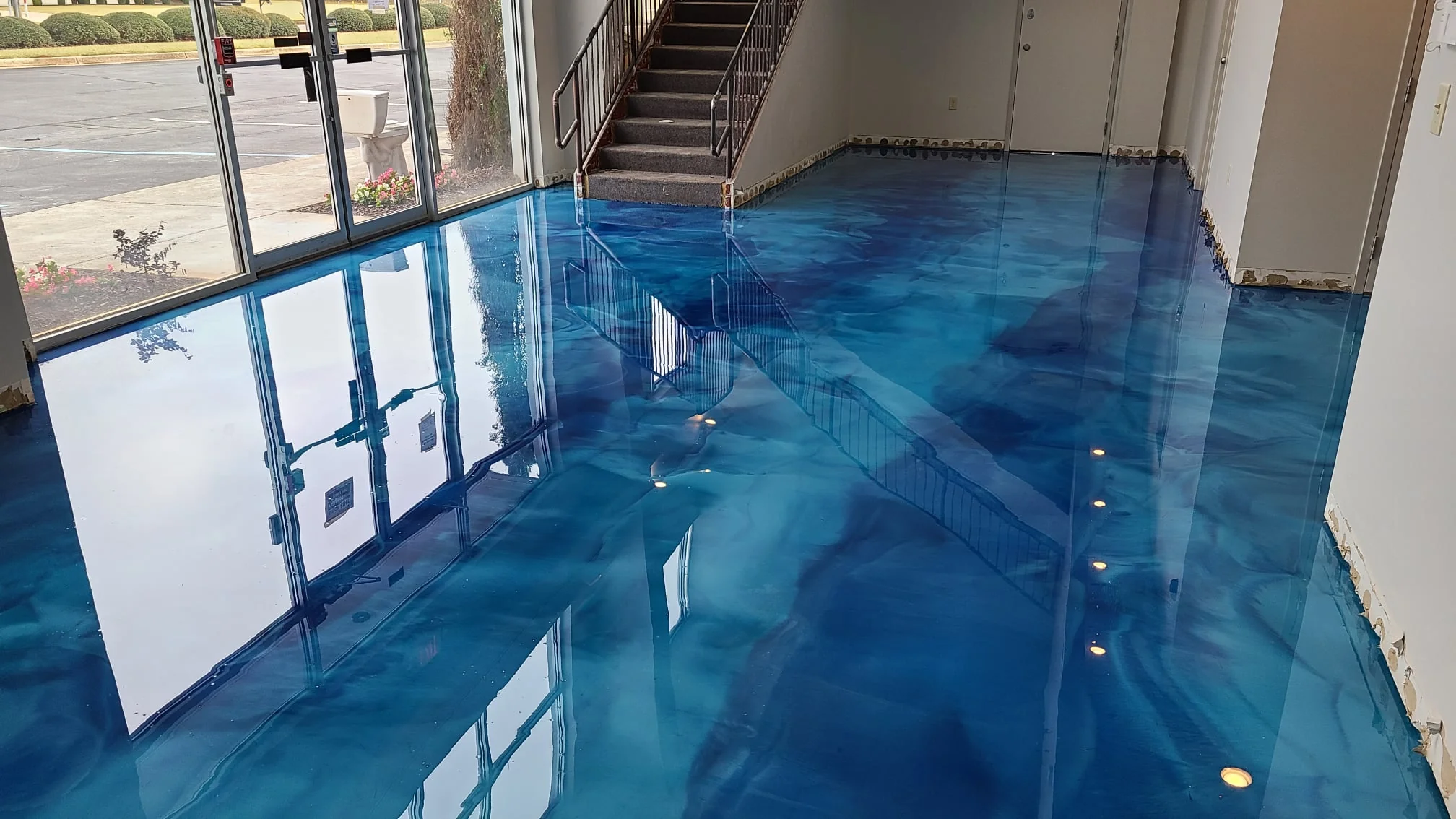
Modern property owners increasingly seek durable coatings that resist stains, abrasions, and harsh weather conditions. Polyaspartic systems attract attention because they cure quickly and deliver long-lasting performance. Their growing popularity also stems from reduced downtime and improved surface resilience across residential and commercial environments.
Many contractors recommend polyaspartic flooring when clients prioritize durability and rapid installation timelines. Pricing differences emerge because each surface presents unique requirements and material choices. Several hidden elements influence budgets more than most property owners initially expect. The following sections reveal five cost drivers that shape final project pricing.
1. Surface Preparation Complexity and Effort
Extensive grinding or shot blasting becomes necessary when an old concrete slab requires fully opened pores. Any existing sealers, oily stains, or previous coatings require complete mechanical removal before new resin can bond correctly. Workers must fill large cracks and spalls with specialized patching compounds that cure quickly.
This remediation step consumes several hours and uses diamond grinding tools that wear down rapidly. A smooth, newly poured foundation needs far less prep work compared to a damaged warehouse floor. Therefore, a client with an uneven or contaminated substrate pays substantially more for the necessary groundwork.
2. Resin Layer Thickness and Solid Percentage
Manufacturers produce these chemical systems with varying solid contents that affect coverage rates directly. A thinner application with lower solid content may require two passes to achieve proper film integrity. Thicker floors resist thermal shock and heavy impacts better, but they demand higher material volumes from the supplier.
Many residential projects use a standard twelve-mil build, while industrial zones need up to thirty mils. That triple-layer difference can double the raw material expense without changing the room’s dimensions at all. Consequently, specifying a rugged, heavy-duty build automatically raises the price per installed square foot.
3. Pigment Choice and Decorative Additions
Solid colors come from standard industrial pigments that mix easily into the base resin solution. However, creating metallic blends or quartz-infused surfaces requires additional steps and premium color concentrates. Decorative flakes broadcast by hand need skilled applicators to achieve uniform density without patchy spots.
Custom color matching to match wall paint or equipment branding involves trial batches that may waste product. The labor crew spends extra time mixing, broadcasting, and scraping back excess flakes for a smooth finish. Thus, a plain gray floor costs considerably less than a showroom look with three distinct metallic hues.
4. Geographic Location and Seasonal Conditions
Freight charges rise when heavy pails of reactive chemicals travel across long distances to the project site. A job site in a humid coastal region requires slower-curing additives to prevent bubbles from forming. Conversely, freezing winter temperatures force contractors to use heated storage units for the material overnight.
Local competition levels also dictate labor rates, with rural areas seeing fewer applicators and higher trip fees. Urban centers have multiple crews fighting for contracts, which drives installation prices downward. Environmental regulations in certain states mandate expensive low-VOC formulas that cost more per gallon.
5. Application Timeline and Access Restrictions
Overtime schedules after normal business hours inside a functioning factory trigger higher labor costs for the entire crew. Confined spaces like underground parking decks require special ventilation equipment and smaller application tools. A multilevel building without freight elevators forces workers to carry heavy drums up several flights of stairs.
Phased installations that cure one section at a time waste material between batches because leftover resin hardens quickly. Rush orders that demand completion within two days require double crews working overlapping shifts. Ultimately, a flexible schedule with easy ground-floor access keeps labor costs far lower than complex logistical nightmares.
A clear evaluation of these five hidden variables helps any property manager budget accurately for a long-lasting floor restoration project. Selecting polyaspartic flooring delivers faster return to service, yet the final quote depends heavily on site conditions and design choices. Careful planning around slab preparation, thickness needs, and decorative features prevents surprise expenses down the line. A transparent contractor will break down each cost factor before signing any agreement for this durable surface solution.