
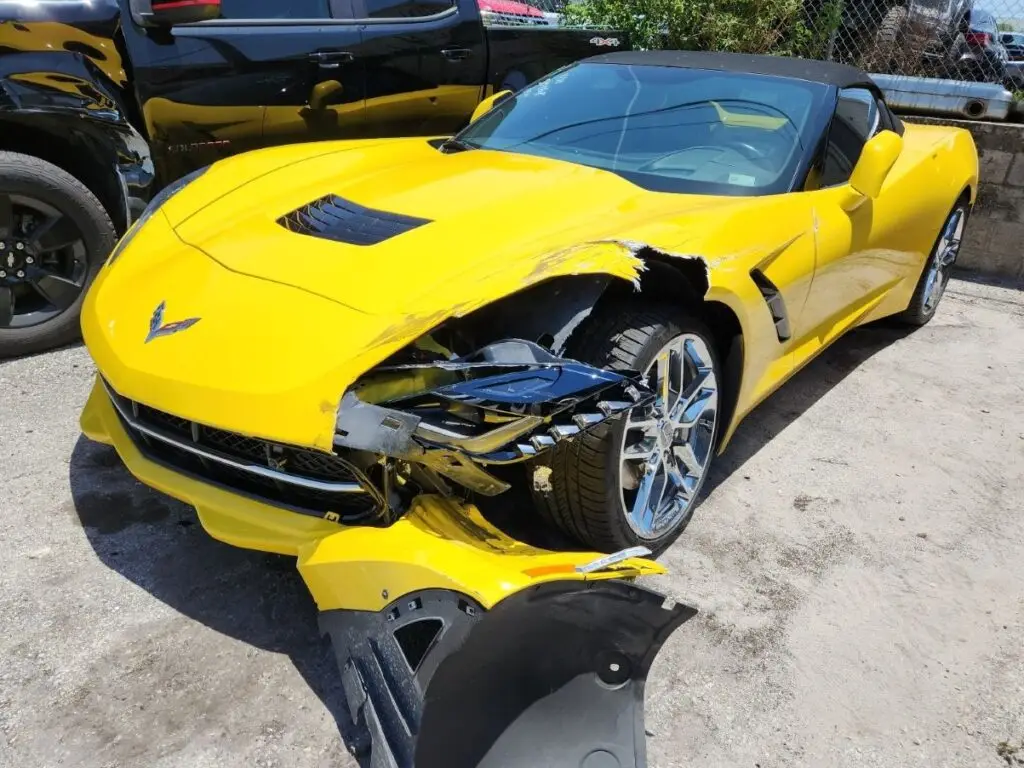
A vehicle can return from repair in solid shape and still sell for less than it would have before the accident. Buyers notice crash history, major part replacement, and signs of body work, even when the finish looks clean. That lower resale price creates a real loss, and a certified appraisal helps put a clear number on it.
The process gives structure to a claim that may otherwise feel hard to prove. It turns repair records, vehicle details, and market facts into a report that supports diminished value auto claims. When each stage is handled with care, the owner has a clearer path toward a fair payment.
The Vehicle Profile Sets The Starting Point
The first step looks at the vehicle itself. The appraiser reviews the year, make, model, trim, mileage, title record, vehicle identification number data, and overall condition. These details help establish the vehicle’s pre-accident market value and support the baseline assessment.
This starting value matters because every later step depends on it. A newer vehicle with low mileage may show a greater loss in resale appeal than an older car with heavy wear. A clean history, sound service record, and strong condition rating also strengthen the pre-loss figure.
The Accident File Shows What Happened
The next stage centers on the crash record. The appraiser studies photos, police reports, repair estimates, and claim papers to see where the impact hit and how far the damage spread. Those records give the loss a clear factual base.
The type of damage shapes the case in a direct way. A bumper repair does not carry the same weight as frame work, suspension damage, or airbag deployment. That difference helps explain why some vehicles lose more market value than others.
Repair Records Reveal The Depth Of The Work
Repair invoices tell an important part of the story. The appraiser checks parts lists, labor notes, paint work, and alignment records to see what was repaired and what was replaced. This review shows how extensive the repair became.
That level of detail matters in the resale market. Buyers and dealers may react more strongly when the file shows major components, welded panels, or structural work. A certified report uses those facts to connect repair history with value loss.
Market Comparisons Support The Loss Amount
After the repair file is clear, the appraiser looks at comparable vehicles in the same market. Dealer listings, pricing guides, and recent sale data help show the difference between clean-history cars and those with prior damage. This research gives the report practical support.
A claim stands on firmer ground when the numbers reflect real market behavior. The goal is not a rough guess but a fair estimate tied to similar vehicles. That makes the report easier for adjusters to review and understand.
The Final Report Pulls Everything Together
The last stage is the written appraisal. It combines the vehicle profile, accident facts, repair review, and market data into a single value conclusion. A clear report helps show the gap between the car’s pre-accident worth and its post-repair resale value.
Good structure adds weight to the claim. Each section should support the next in plain language, with records that match the opinion. That clear flow gives the owner a stronger position during claim review.
A certified diminished value appraisal turns a resale loss into a documented claim. It starts with vehicle facts, moves through damage and repair records, and ends with market-based support for the loss amount. Diminished value auto claims become easier to present when the report shows a clear link between accident history and reduced resale appeal. A well-prepared appraisal gives the owner a practical way to show that loss.