Philippe Petit Made the Space Between the Twin Towers His Stage
Philippe Petit pushed wire-walking without permission through meticulous preparation, technical skill, and extraordinary exposure.
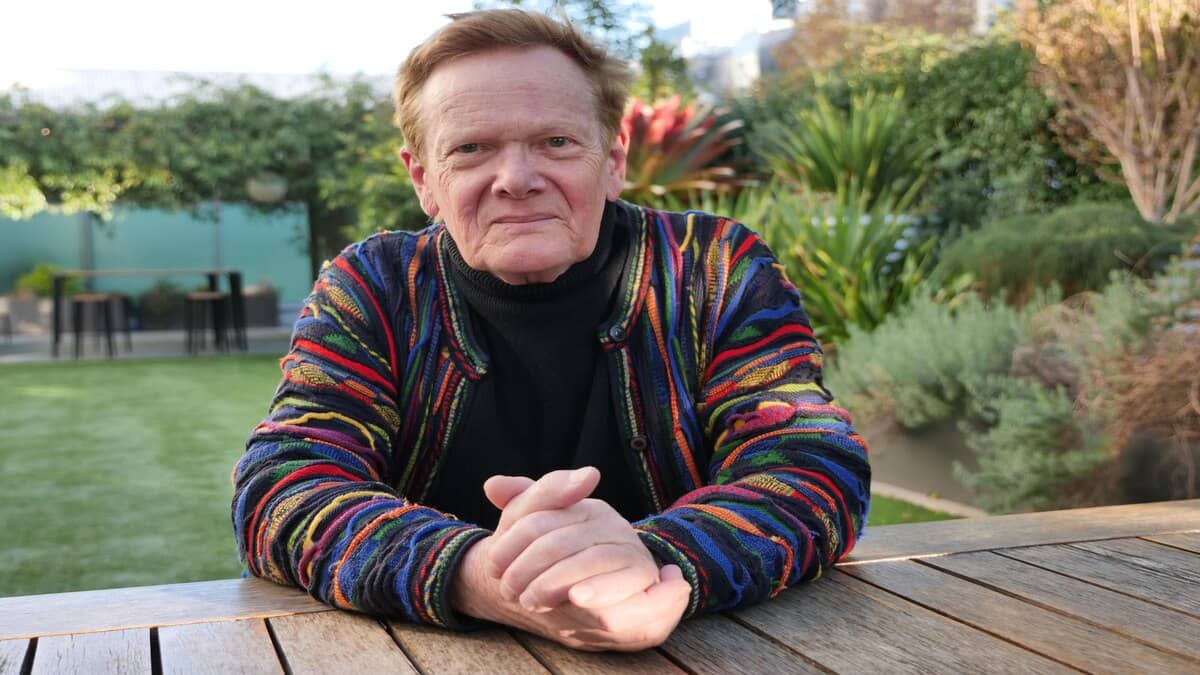
Philippe Petit built a public identity around planning unauthorized high-wire walks as works of performance art. The images are spectacular, but the real story lies in preparation, technical judgment, and the consequences of a tiny mistake.
The feat that defined the career
On August 7, 1974, he spent about 45 minutes on a wire between the World Trade Center towers, crossing repeatedly above Lower Manhattan.
The performance compressed months or years of work into seconds. Viewers saw a clean line; the athlete had to understand terrain, weather, equipment, speed, and an exit plan.
1974
Twin Towers walk
45 min
Approximate time on the wire
8
Reported crossings between towers
Source: Published biographies and event records
Turning obsession into a method
The central obsession was wire-walking without permission. Repetition converted fear into procedure without making the danger disappear.
The most important decisions often happened before launch: whether conditions were acceptable, whether the line remained realistic, and whether another rehearsal was needed.
A career built through escalation
1971
Walked between towers of Notre-Dame
1973
Crossed Sydney Harbour Bridge pylons
1974
Walked between the Twin Towers
Public attention rewarded novelty, so each project needed a new combination of height, exposure, precision, or symbolism.
Why Philippe Petit still matters
His Twin Towers walk remains one of the clearest examples of meticulous planning serving an apparently impossible artistic idea.
These feats should not be mistaken for casual bravery. Their meaning comes from the tension between disciplined preparation and risks that can never be fully controlled.
The weekly question
From obsession to clarity — one original question every week.
We answer one noisy topic at a time, in full. No daily roundup, no thread bait — just the question, the principles, and the system.