
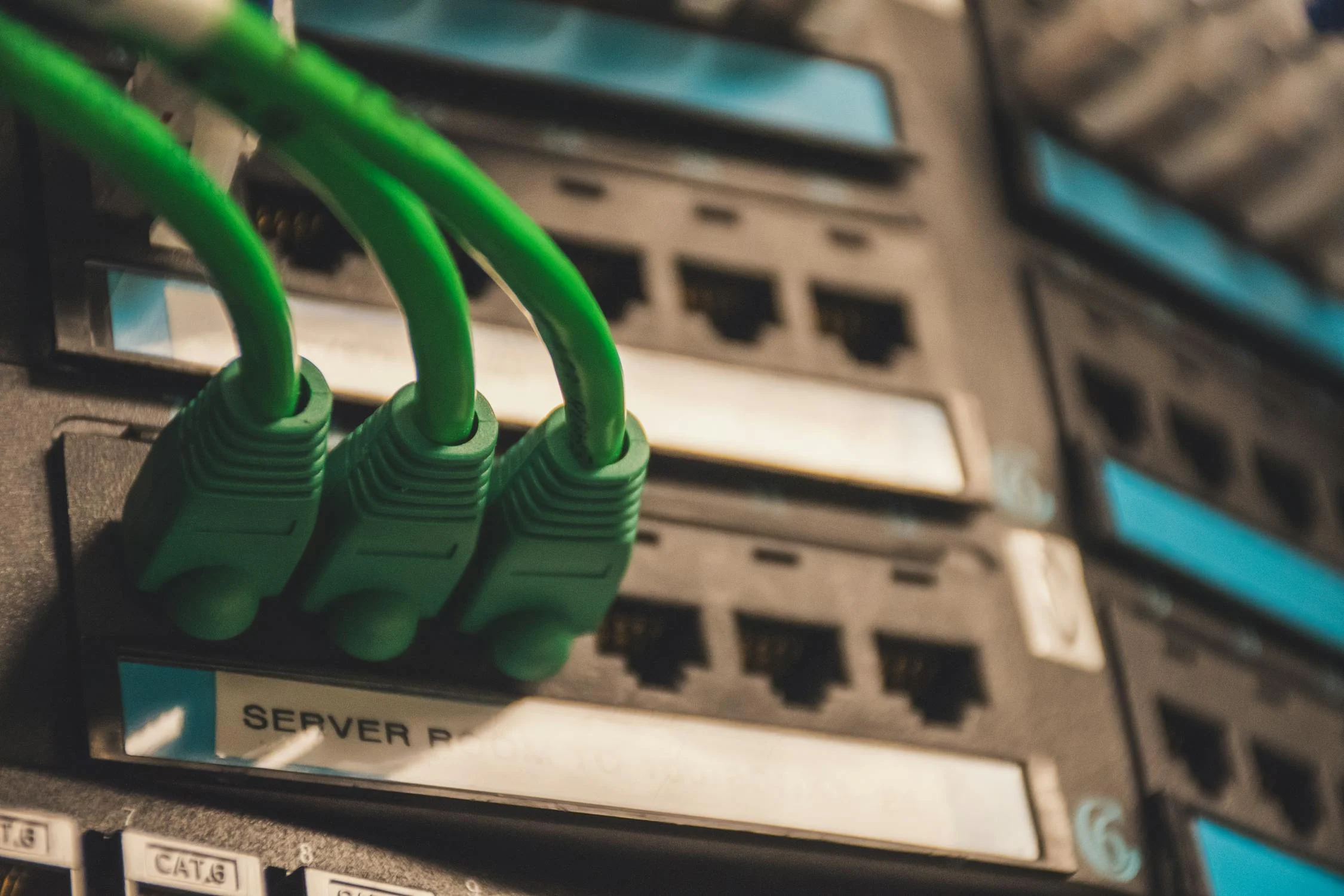
Enterprise networks operate under strict regulatory and operational standards. Routers, switches, and other infrastructure devices must follow defined configuration policies to prevent security gaps and operational disruptions. Compliance programs guide how devices are configured, monitored, and audited. Structured oversight ensures that configuration changes remain aligned with approved policies and regulatory expectations.
Visibility into device configurations supports consistent compliance. Systems designed for network configuration management (NCM) allow administrators to track configuration activity, detect unauthorized edits, and review historical settings stored for auditing. Centralized oversight also supports validation checks that identify missing commands or unsafe configurations before they affect production networks.
Establish Clear Configuration Policies
Clear configuration policies guide how every device in the network should operate. Policies document required commands, security controls, and operational standards that apply across the infrastructure.
Define Baseline Configuration Standards
Baseline standards provide a consistent starting point for every device deployment. Documented templates ensure each device follows approved settings.
- Record standard configuration templates for routers and switches
- Document required security settings, such as authentication parameters
- Define interface configuration rules used across the infrastructure
Standardized baselines reduce configuration inconsistencies and simplify policy enforcement.
Create Compliance Rule Sets
Compliance rule sets allow automated checks against approved configuration standards. These rules identify conditions that signal a policy violation.
Examples of rule checks include:
- Detecting commands that violate internal configuration policies
- Verifying required security commands exist within device configurations
- Confirming interface parameters follow documented standards
Compliance rules provide clear alerts when a configuration does not meet defined requirements. Administrators can review flagged devices and correct the configuration before it disrupts operations.
Implement Continuous Monitoring And Change Control
Network environments change frequently due to maintenance activities, security updates, and infrastructure adjustments. Continuous monitoring ensures every configuration change follows approved procedures.
Track Configuration Changes
Configuration tracking records every change made to network devices, including modification details and timestamps. These records allow administrators to review configuration history, identify when updates occurred, and restore earlier settings if a policy violation appears. Accurate records support transparency and assist internal compliance audits.
Automate Compliance Validation
Automated validation compares live configurations against documented policies. Scheduled checks scan devices and identify missing commands or policy violations.
Automated validation also produces reports that highlight compliance status across the network. When rule violations appear, administrators receive alerts that indicate which device requires review. Infrastructure teams sometimes rely on network configuration management (NCM) to perform automated configuration comparisons and compliance validation across multiple devices.
Maintain Documentation And Audit Trails
Compliance programs require detailed records of configuration policies and network procedures. Clear documentation allows administrators to understand approved standards and verify that device configurations follow established rules. Accurate records also support internal reviews and regulatory audits by providing verifiable evidence of configuration oversight.
Essential documentation includes descriptions of configuration policies, defined compliance rules, logs of configuration violations, and records of corrective actions. Archived configuration updates also provide a traceable history for auditing purposes. Comprehensive audit trails confirm that configuration standards are consistently monitored and enforced across the network environment.
When Do Enterprise Networks Require Professional Compliance Support?
Enterprise networks sometimes expand across multiple locations, devices, and configuration policies. As environments grow, manual configuration reviews become difficult to maintain. Professional compliance support helps analyze device configurations, identify policy gaps, and establish monitoring practices that ensure routers and switches follow documented standards.
Specialized teams also implement compliance rule checks and maintain configuration archives. They review change activity and update validation rules as infrastructure evolves. This structured oversight supports accurate configuration records, policy enforcement, and consistent audit readiness.