
Why Natural Soap Isn’t Just a Trend — It’s a Reflection of What We Value
Everywhere you look, “natural” is the buzzword of the moment. Natural skincare. Natural cleaning products. Natural everything. But behind the marketing, there’s a deeper truth: people are starting to rethink what they put on—and into—their bodies.
Among the many shifts happening in self-care, natural soap has become one of the most visible symbols of this new awareness. Brands like Little Flower Soap are at the forefront, offering handmade, thoughtfully crafted bars that go beyond trends. But this isn’t just a wellness fad or something you pick up at a farmers market once a year. It’s part of a broader shift in how we care for ourselves—and the world around us.
A Return to Simplicity
For decades, we’ve been sold on high-foam, highly fragranced soaps promising to kill 99.9% of germs. But somewhere along the way, we started asking: at what cost?
Many commercial soaps are made with synthetic detergents, artificial colors, and chemical preservatives. They strip the skin’s natural oils, disrupt its pH balance, and leave it dry, irritated, or even inflamed.
Natural soaps, on the other hand, bring us back to basics. Made with plant-based oils, butters, herbs, and essential oils, they gently cleanse without damaging your skin’s natural barrier. Brands like Little Flower Soap are leading this return to simplicity, offering handmade bars crafted with thoughtful, skin-loving ingredients—and zero junk.
The Rise of Conscious Consumers
Consumers today are paying more attention. We read ingredient lists. We care where products are made. We want to support small businesses, reduce waste, and avoid toxins. Buying natural soap is often a gateway into this mindful lifestyle—a small but meaningful way to align our daily habits with our values.
When you buy a handmade bar of soap made with lavender oil and shea butter, you’re not just washing your hands. You’re choosing transparency, sustainability, and craftsmanship.
Skin Is Smarter Than We Think
Your skin is more than a surface—it’s your body’s largest organ. It absorbs what you put on it. And it thrives when treated with respect.
Natural soap supports the skin’s ecosystem. It maintains the acid mantle (your skin’s protective layer) and avoids ingredients that cause long-term irritation. Whether you’re dealing with dryness, sensitivity, acne, or just want a gentler routine, switching to natural soap can be a game-changer for skin health.
What’s in Natural Soap—And Why It Works Better for You
We’ve talked about the “why.” Now let’s talk about the “how.” What makes natural soap so much better for your skin—and why are more people making the switch?
The short answer: It works with your body, not against it.
Nature Has Always Had the Answers
While commercial soaps rely on synthetic detergents and foaming agents, natural soap is made the traditional way: through saponification—a reaction between oils and lye that creates real soap and glycerin (a natural skin softener).
But it’s the ingredients themselves that make the biggest difference.
Take a look at a bar from a small batch brand like Little Flower Soap, and you’ll likely see:
- Olive oil – deeply moisturizing and rich in antioxidants
- Coconut oil – cleansing and anti-bacterial, without being harsh
- Shea butter or cocoa butter – restores moisture and elasticity
- Essential oils – not just for scent, but for skin-soothing properties
- Herbs and botanicals – like lavender, calendula, or peppermint to calm or refresh the skin
These ingredients aren’t fillers. They serve a purpose—and they do it without irritating additives, synthetic fragrance, or preservatives.
Natural Soap Supports the Skin’s Protective Barrier
One of the biggest differences between commercial and natural soap is how they treat your acid mantle—the delicate, slightly acidic layer on your skin that protects against bacteria, pollution, and moisture loss.
Harsh soaps strip this layer, leaving your skin vulnerable.
Natural soap helps maintain it.
That’s why many people report fewer breakouts, less redness, and softer skin after making the switch.
Bar Soap Is Back—and for Good Reason
In a time when many of us are looking to simplify our routines and reduce our environmental footprint, bar soap is quietly making a comeback.
It:
- Lasts longer than body wash
- Uses little to no packaging
- Is TSA-friendly for travel
- Takes up less space
- Doesn’t leak in your bag
And when it’s made right—like the small-batch soaps from Little Flower Soap—it’s just as luxurious and skin-loving as any boutique cleanser. Maybe more so.
Soap That Feels Like Self-Care
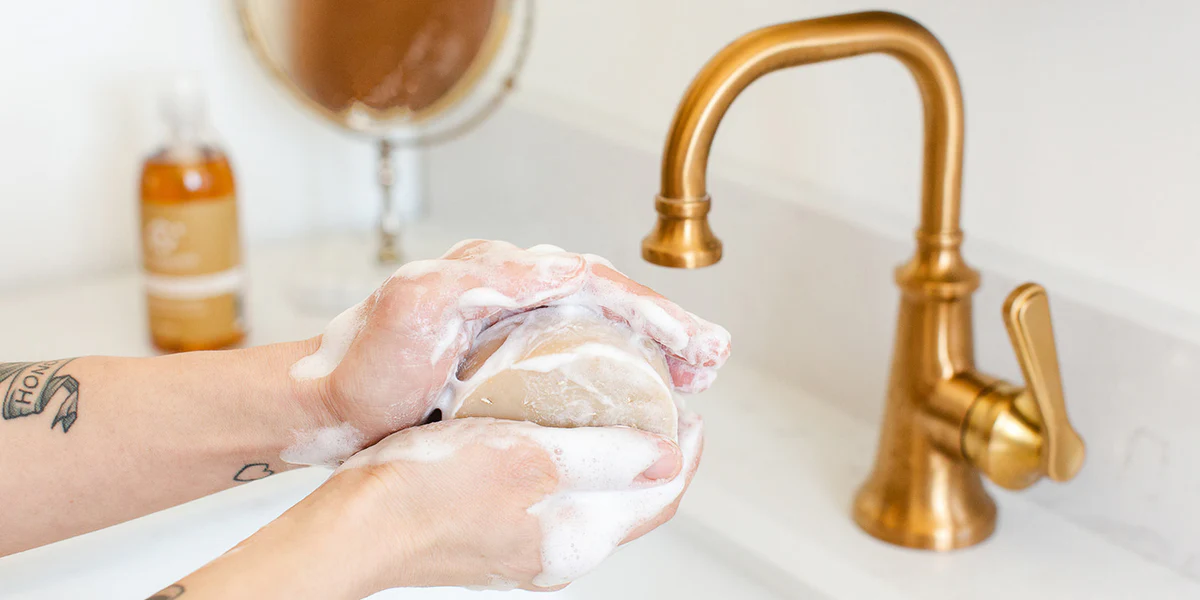
There’s something deeply satisfying about washing your hands or face with a bar of soap that smells like eucalyptus, feels creamy on your skin, and comes from a real maker you can connect with.
It turns a daily chore into a small act of intentional self-care—a few minutes of calm and comfort, free of synthetic ingredients and waste.
A Small Switch That Makes a Bigger Impact
So far, we’ve covered how natural soap benefits your skin and why people are turning to simpler, ingredient-conscious self-care. But there’s another reason this movement is growing:
It’s about living with intention.
Supporting Sustainability, One Bar at a Time
When you choose a natural soap bar over a plastic bottle of body wash, you’re doing more than just skipping questionable ingredients—you’re reducing your environmental footprint.
Natural soap makers often use:
- Minimal or compostable packaging
- Sustainable sourcing of oils and herbs
- Small-batch production, which means less waste
- Zero plastic, especially when the bar is sold “naked” or wrapped in recyclable paper
In a world overwhelmed by disposable products, a single bar of handmade soap becomes a statement: you care about what happens after the suds go down the drain.
Real People, Real Products
Unlike mass-market brands, most natural soaps are made by small businesses, family-run workshops, or passionate individuals who actually care about what they create.
Take Little Flower Soap, for example—a company that handcrafts each bar with thoughtfully chosen ingredients and attention to detail. When you buy from a maker like that, you’re not funding a corporate formula—you’re supporting artisans, local economies, and real craftsmanship.
It’s personal. And it feels better.
A Mindful Shift in Everyday Habits
In a way, choosing natural soap is part of a larger trend toward mindful living—a gentle rebellion against fast, cheap, and artificial.
- We’re slowing down.
- We’re reading ingredient labels.
- We’re caring for our skin like it matters—because it does.
- We’re treating everyday routines like small rituals.
And when something as simple as switching your soap can spark that kind of awareness, it’s clear this isn’t just about cleanliness—it’s about connection. To your body. To the planet. And to the products you bring into your life.
So, no—natural soap isn’t just a trend. It’s a quiet revolution in how we care for ourselves.
It’s about simplifying. Trusting nature. Supporting makers who share your values. And feeling good—in every sense of the word—about what you’re using on your skin.
Because once you’ve experienced the difference a good bar of handmade soap can make, it’s hard to go back.